


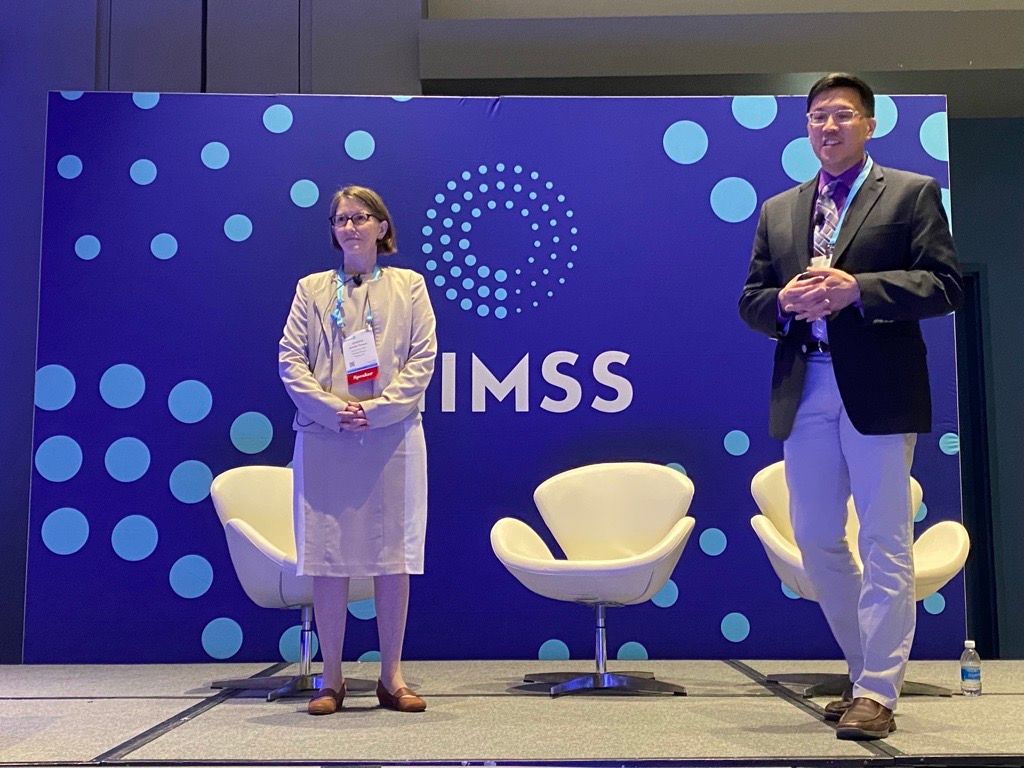


































Consumers are seeing more ease and convenience in other aspects of their lives, and they want it from health systems, according to Mona Baset of Intermountain Health.
Consumers are seeing more ease and convenience in other aspects of their lives, and they want it from health systems, according to Mona Baset of Intermountain Health.

Artificial intelligence dominated the health technology conference, but it wasn’t the only fascinating topic of discussion.

The West Virginia University Health System has added a host of small hospitals to its system. Kimberly Clarke of WVU Medicine says technology is the key to leveling the playing field.

During a spirited panel discussion, some high-profile leaders talked about the deficiencies in healthcare that won’t be mended by the latest high-tech solutions.

Researchers found care teams weren’t explaining treatment plans, medications, or offering guidance regarding symptoms. Hospitals must do better to reduce the risk of complications.

The discounts will be applied to eligible medications when consumers check out, saving patients and providers headaches in searching for coupons.

The Pennsylvania system began offering acute care services at home more than two years ago. Vipul Bhatia of WellSpan talks about the factors in the program’s success.

Many employees say their mental health struggles are affecting their work, according to a One Medical survey. The poll also saw a gap between workers’ experiences and the expectations of HR managers.

As more health systems are offering acute care at home, doctors say they are seeing good results and high patient satisfaction.

In the COVID-19 pandemic, the number of hospitals offering acute care at home has surged. Chief Healthcare Executive spoke with doctors and leaders around the country about their experiences.
In our latest episode, Ryne Natzke of Sphere talks about how providers need to take different approaches to ensure they are getting paid without leaving patients with heavy debt.

Experts say they’re alarmed by the increase in maternal mortality during the COVID-19 pandemic. Black women are much more likely to die of pregnancy-related complications.

Nearly half of adults with medical debt have been contacted by collection agencies, and some patients with lower-incomes aren’t getting discounted rates, according to the Urban Institute.

ECRI, a nonprofit focused on protecting patients, releases its annual list of the most pressing concerns. Marcus Schabacker, CEO of ECRI, talked with us about the leading issues.

As ECRI releases its annual report on the top threats to patient safety, the organization’s leader urges hospital executives to put a higher priority on reducing preventable mistakes.

The organization examined thousands of hospitals but only a select group took prizes in patient safety and the patient experience. Four problems make up the bulk of safety events, the study found.

Healthgrades has announced its recipients of patient safety awards, and Brad Bowman talks about the importance of focusing on critical problems.

Ankoor Shah of Accenture talks with Chief Healthcare Executive about the need for better data, and why technology is a key element in closing disparities.

The retailer is adding 28 new locations in Texas, Arizona and Missouri. It comes as other retailers are getting into healthcare delivery.
Kevin Olson is the chief information officer of Jupiter Medical Center, one of south Florida's top hospitals. He talks about digital transformation, cybersecurity and helping patients.

In other news, SelectHealth names a new chief executive, Jefferson hires a chief financial officer, and others take new leadership roles.

More Americans are opting for the home instead of nursing homes or other long-term care facilities. Lissy Hu of WellSky talks about the need to ensure patients get what they need.

Some patients are less likely to adhere to cancer screening programs, researchers say. Clinicians lack knowledge in treating transgender patients, a barrier that must be addressed.

About half are providing some price data, but many are offering information that is incomplete, according to Patient Rights Advocate.

The company says it secured more than $1.7 billion to aid patients in 2022. Vince King of TailorMed talked with Chief Healthcare Executive about the company and its prospects for growth.