
He talks with us about leading one of New Jersey’s few single hospital systems, taking care of staff and looking ahead.
He talks with us about leading one of New Jersey’s few single hospital systems, taking care of staff and looking ahead.

WVU Medicine has finalized the acquisition of the Independence Health System and will invest $800 million in the hospitals.
Hospitals are facing more complexity, rapid change, and financial headwinds. They need to position boards to help guide systems.
Ben Spence is now leading the Florida-based system.
The system is overlooking millions of people living with undiagnosed or under-treated diseases.
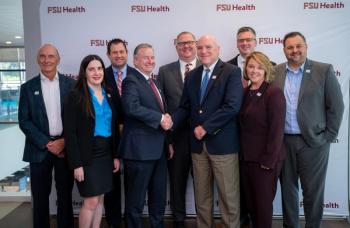
They have finalized agreements to develop FSU Health. Officials say they plan to offer more services across North Florida.

Several groups say that AI is a valuable tool, but warn physician expertise is essential. They push back against efforts to pit doctors against technology.
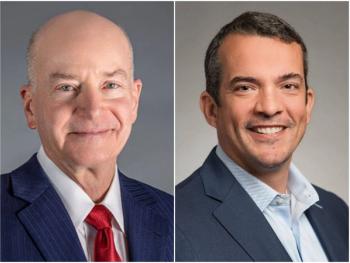
Dr. David Callender will step down at the end of the year. Alec King, the system’s chief financial officer, will be the next CEO.
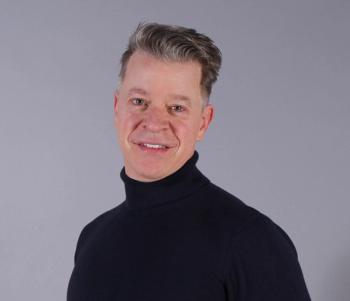
Health systems can help patients before they choose an insurance plan that isn't right for them.
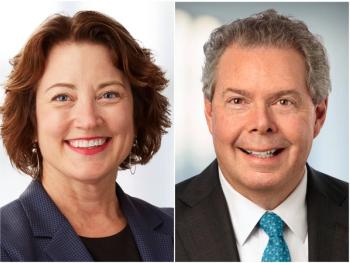
The two nonprofit health systems have signed an agreement to come together, adding to the list of deals in Minnesota.
A dozen health systems have joined the collaborative. Elad Walach, CEO of Aidoc, talks with us about using AI for better and faster diagnosis.
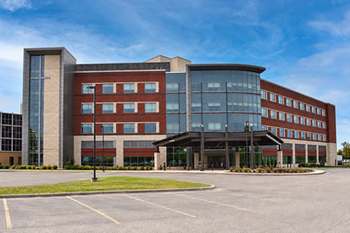
The health system has closed a transaction with CommonSpirit Health to acquire Trinity Health System in Ohio.
He talks about a new consortium of hospitals working to use AI to improve imaging and how health systems should be looking at AI.
Dr. Patrick Frias talks with us about his new role, coming back to Atlanta, and expanding pediatric care across Georgia.
The Children’s Hospital Association is teaming with international partners to develop a coordinated approach to save lives.
A Deloitte report estimates significant new investments, and says interventions could add 20 years to women’s health span.
Medical educators must adjust their curricula in response to the AI age. It means less memorization and more empathy.
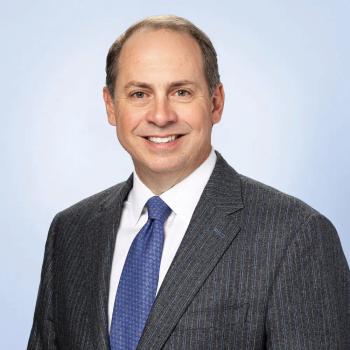
Dr. James Merlino, who takes over as CEO next year, talks about working in partnership to help hospitals improve.
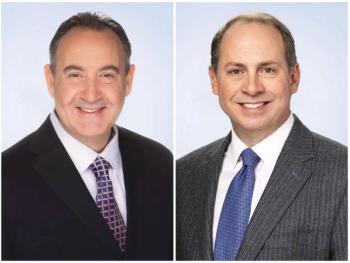
Dr. Jonathan Perlin, the commission’s CEO, and Dr. James Merlino, his successor, see enormous potential in improving patient safety.
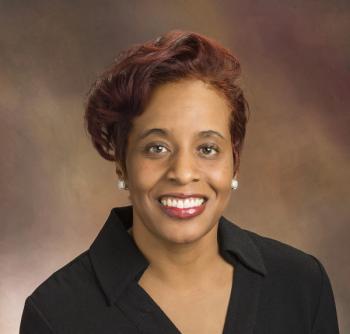
Dr. Angela Ellison of Children’s Hospital of Philadelphia talks about the journey, how doctors can thrive, and how hospitals can help.
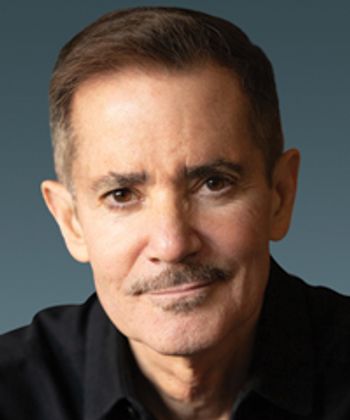
This is not simply a rare or niche area of medicine. It is a foundational area of human biology.
Dr. Jonathan Perlin will step down at the end of 2026, and Dr. James Merlino, the COO, will succeed him. They spoke with us about the transition.
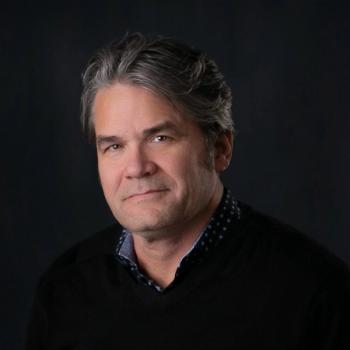
Brad Hoyt, the system’s chief medical information officer, talks about the rollout and saving time on documentation.
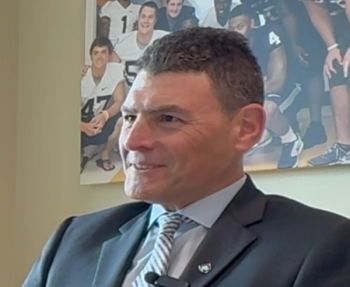
Dr. Michael Kupferman says the contribution from the Golisano Foundation will expand care and help train more doctors in pediatrics.
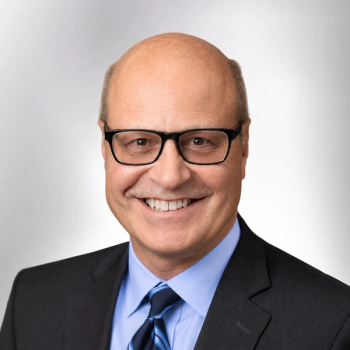
Patient safety systems often measure whether an action was completed, rather than whether the intervention achieved its intended outcome.
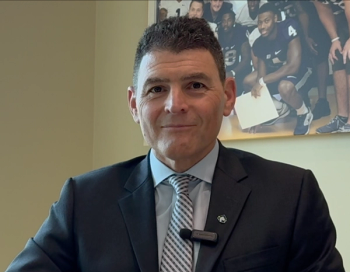
Dr. Michael Kupferman talks about the $50 million gift from the Golisano Foundation and joining an alliance of children’s hospitals.
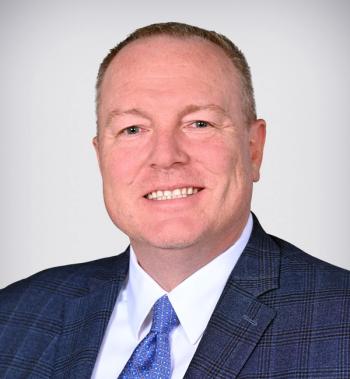
The question isn't whether to let AI into the patient journey. It's whether health systems will earn a seat in that conversation.
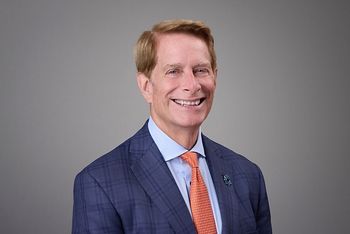
Robert C. Garrett, the longtime leader of the New Jersey health system, will step down in 2027.
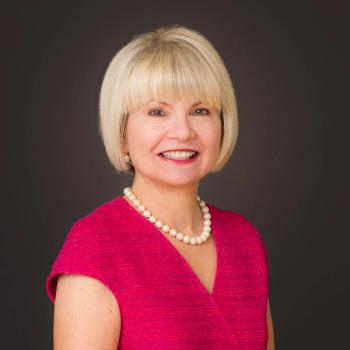
Maria Ghazal, president and CEO of the Healthcare Leadership Council, talks about taking the time to understand and building consensus.
One in five mothers is affected, yet most cases go untreated. The problem isn't awareness—it's what happens next.