


Politics
Latest News
Advertisement
Latest Videos





Shorts
0:52
Patients, AI, and hospital price transparency
4 months ago
by
Ron Southwick
0:35
Talk with government leaders often, not just with problems
5 months ago
by
Ron Southwick
0:48
Seeking federal law to protect nurses from assault
5 months ago
by
Ron Southwick
0:44
Medicaid cuts won't mean fewer patients
6 months ago
by
Ron Southwick
0:36
Medicaid cuts: Fewer doctors and less access
6 months ago
by
Ron Southwick
0:46
Medicaid's support goes beyond health care
7 months ago
by
Ron Southwick
0:24
For those with disabilities, Medicaid 'is everything'
7 months ago
by
Ron Southwick
0:42
The impact of anti-vaccine efforts
7 months ago
by
Ron Southwick
0:41
Fears for rural hospitals with Medicaid cuts
8 months ago
by
Ron Southwick
1:07
Why some lawmakers don't trust hospitals
8 months ago
by
Ron Southwick
























Advertisement
More News
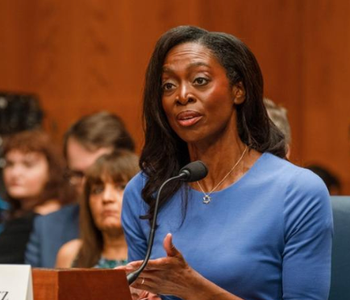
Dr. Erica Schwartz is now the director of the Centers for Disease Control and Prevention. The Senate voted to confirm her, a few weeks after a tense hearing.

The Justice Department reported record highs in False Claims Act settlements and whistleblower lawsuits. Attorney Taylor Chenery looks at the heightened enforcement and changing landscape.

The number of deals is much higher than last year, and some trends in the transactions are worth noting.
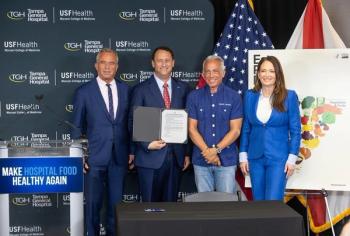
Health Secretary Robert F. Kennedy Jr. has pushed hospitals to serve better food. Tampa General’s food menu was revamped by celebrity chef Geoffrey Zakarian.

Many Americans have dropped coverage, and hospitals have warned they will see more uninsured patients.
Insurers must move from maintaining provider directories to actively verifying, measuring, and reporting accuracy.

Robert F. Kennedy Jr. and Dr. Mehmet Oz are asking hospitals to take the pledge, but also referred to compliance to maintain Medicare funding.
The Centers for Medicare & Medicaid Services offers an increase in outpatient reimbursements, but some other proposals are drawing criticism.

Hospitals and health systems are dealing with the ramifications of HR 1, including significant cuts in Medicaid unfolding in the coming years.
Steve Walsh will succeed the retiring Rick Pollack. Walsh, the CEO of the Massachusetts Health & Hospital Association, has been praised as a committed leader who knows how to bring people together.
Childhood cancer still sits inside a system that underserves it at nearly every level: research, care access, drug development and long-term survivorship.
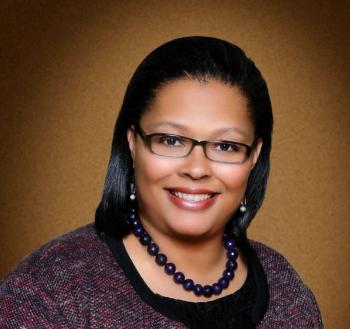
Community health centers have practical knowledge about what works in prevention, chronic disease management, and care coordination for populations in greatest need.

States will face new rules in funding Medicaid. Mary Mayhew, CEO of the Florida Hospital Association, says new federal rules are threatening vital programs.
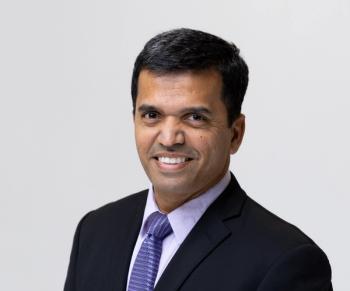
The nation’s prevention agenda should include the expertise needed to identify kidney disease before it becomes kidney failure.

The Trump administration has sent warning letters to 500 hospitals, and a message. Healthcare leaders see growing public demand for simpler information on pricing.
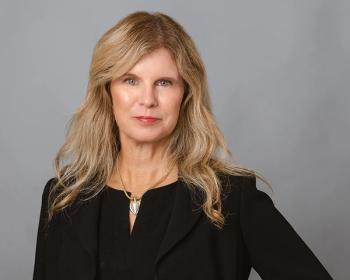
In a wide-ranging conversation, she talks about caring for an aging population, changing federal policies, and why hospitals are facing a different kind of pivot point.
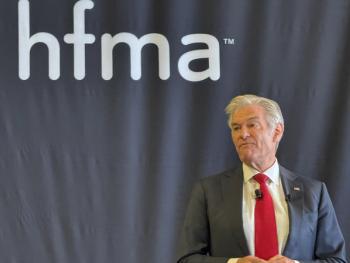
Mehmet Oz, administrator of the Centers for Medicare & Medicaid Services, outlined top priorities during an appearance at the Healthcare Financial Management Association conference.

Most doubt the long-term viability of the health system and say the tipping point is coming, and soon, according to a survey by Vitalic Health.

The Healthcare Financial Management Association’s conference offers scores of sessions, but there are some big themes.
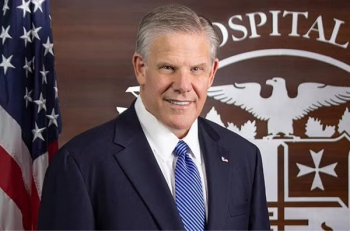
The American Hospital Association released a report outlining a host of steps, including boosting primary care, reducing prices on drugs and cutting administrative waste, among others.

The department excluded nursing from a published list of professional degrees. Nurses say the new rule will make it harder for those seeking advanced degrees and hurt efforts to train more nurses.

This week, we’ll bring you a virtual event that looks at changes in the healthcare industry and shifts in federal policy.
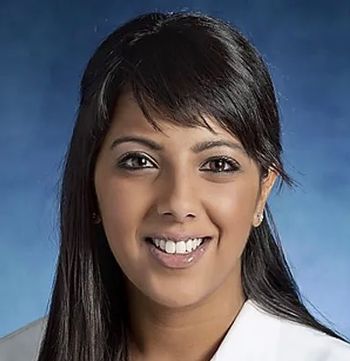
Bhakti Hansoti of Johns Hopkins talks about steps for hospitals, state health officials and the importance of clear messages.
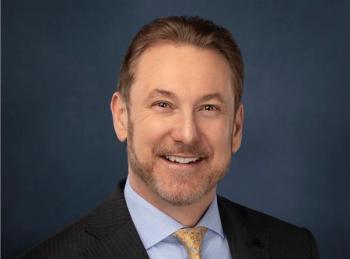
The leader of the health system isn’t a pessimist, but he says it’s important to plan for tough times. He says that approach has paid dividends.

WakeMed says joining Atrium is key to ensuring its long-term future, and Atrium has pledged $2 billion in investments. Some North Carolina officials have voiced concerns.
Advertisement
Advertisement