The health system is reporting growth in revenue and has slashed its operating loss. Ascension is shifting more care to the ambulatory space.
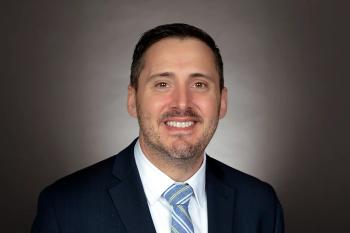
Vic Schmerbeck says he wants to excel at select areas rather than being marginal in many things.
Emerus has partnered with health systems across America to build dozens of micro hospitals, and
Vic Schmerbeck, CEO of Emerus, says the company’s discipline has been one of the keys to success. Emerus has teamed with Ascension, Baptist Health, Baylor Scott & White Health, and
In
“I'm a big believer, and I think our team would echo this, that we try to be really good at a few things and not marginal at a lot of things,” Schmerbeck says.
When asked about potentially adjusting the micro hospital to potentially add a few more beds, Schmerbeck says he feels the current model is the right size. The small hospitals don’t have intensive care units or operating rooms. If patients require more treatment, they’re stabilized and transferred to another hospital.
“Our general belief, at least today, is we know how to be really efficient in a facility that has 10 ED treatment beds and 10 inpatient beds, and we think we can drive immense efficiency for both our physicians, our allied staff, patients, and families,” Schmerbeck says.
Schmerbeck also says he tries to focus on taking care of clinicians.
“When we have our leadership retreats and our strategy retreats, we talk about what's most important for the business, and that centers around our caregivers and our patients,” he says.
“We're in the patient-serving business at the end of the day,” Schmerbeck continues. “I believe fundamentally that if you take great care of your employees and your physicians, they in turn will take great care of patients and families, which then ultimately creates high patient experience scores, and people want to choose your location versus somewhere else, and that flywheel kind of goes around.”
Schmerbeck says he also thinks it’s important to set a strategy and stick with it. He says there may be times when it’s necessary to pivot, but he says that he doesn’t think it’s great to constantly change the bigger vision.
“I use a football analogy with our team,” he says. “It's hard to know how to call a play set to score a touchdown, if the end zone keeps moving. And so you have to be focused on where you're going, and then allow people to go do what you hired them to do.”
Schmerbeck stresses the importance of building a good leadership team.
And he says that includes having people on the team who will disagree at times.
“You have to have diversity of thought,” Schmerbeck says. “In my opinion, you do not get to the right outcome or the best answers if you clone yourself. If you bring a bunch of people that are like you or want to say yes to you, you're not going to get the best answer.
“So, you have to be willing to debate. You have to have diversity of thought at the table, and you have to have actionable measures where everybody knows where the goal line is, and then you let them go do their job and do what they do best,” he says.
In addition to having people willing to disagree, Schmerbeck says he wants a team that includes people smarter than he is.
“I am a big believer in hiring people smarter than you to start and giving them the strategic roadmap and allowing them to do what they are good at doing,” he says.
He also says it’s important to recognize that the best ideas in hospitals and health systems are likely going to come from the people working closest with the patients.
He dismisses the idea that the leader in the “ivory tower” is the one to solve all the problems. “If we think we do, we're in the wrong spot,” he says.
Schmerbeck says it’s important for leaders to retain a sense of humility, and to listen to their teams.
“You have to listen,” he says. “We should all listen three times more than we speak, frankly.”