

Politics
Latest News
Advertisement
Latest Videos






Shorts
0:44
The Joint Commission: Investing in technology
11 days ago
by
Ron Southwick

0:43
Health systems don't want state-by-state rules on AI
20 days ago
by
Ron Southwick
0:41
Medicaid cuts will drive more patients to the ER
a month ago
by
Ron Southwick
1:08
Why value-based care is so hard to implement
2 months ago
by
Chief Healthcare Executive Staff
0:41
Doctors and vaccines: Ask questions, but give clear guidance
2 months ago
by
Ron Southwick
0:36
Billions in healthcare fraud recovered
2 months ago
by
Ron Southwick

0:52
Patients, AI, and hospital price transparency
4 months ago
by
Ron Southwick
0:35
Talk with government leaders often, not just with problems
4 months ago
by
Ron Southwick
0:48
Seeking federal law to protect nurses from assault
5 months ago
by
Ron Southwick
0:44
Medicaid cuts won't mean fewer patients
6 months ago
by
Ron Southwick
Podcasts

























Advertisement
More News
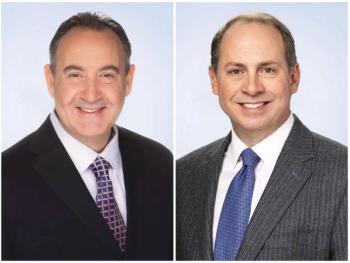
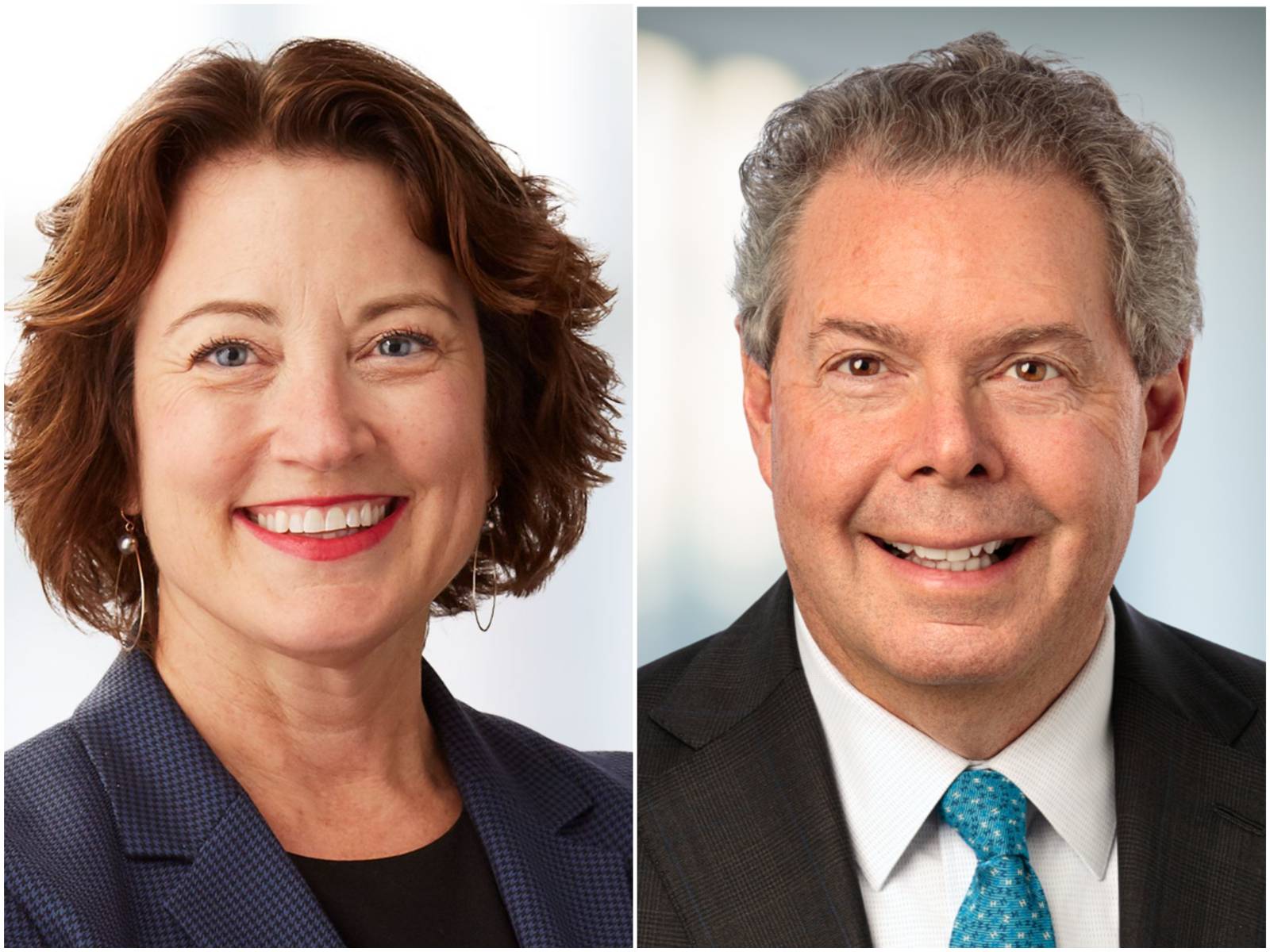
Dr. Jonathan Perlin will step down at the end of 2026, and Dr. James Merlino, the COO, will succeed him. They spoke with us about the transition.
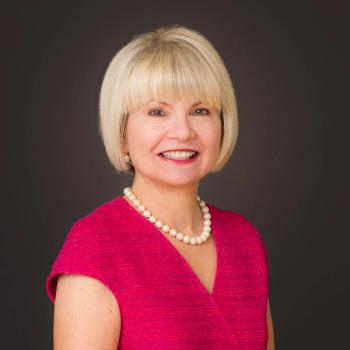
Maria Ghazal, president and CEO of the Healthcare Leadership Council, talks about taking the time to understand and building consensus.
A state panel signed off on a plan for Maimonides Health in Brooklyn to join NYC Health + Hospitals. Maimonides would get over $2 billion over five years.

Regulators reject some consolidations due to fears of higher prices and reduced competition. A Kaufman Hall report cites other factors worth consideration.
Maria Ghazal, president and CEO, talks about finding consensus across the healthcare ecosystem and in Washington.
Dr. David J. Skorton intends to retire next year. The organization is searching for his successor.

Tens of thousands have been diagnosed with cancers and other illnesses linked to the terrorist attacks in 2001.
Sr. Mary Haddad talks with us about Medicaid cuts, more uninsured patients and the financial toll on hospitals.
The risk comes in how AI is deployed inside and across the healthcare system.

The Physicians Foundation says more doctors say misinformation is affecting their ability to provide care.

More than 500 measles cases have been reported in the county this year.
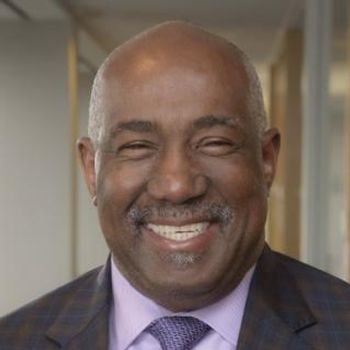
The federal government is clarifying requirements from health plans. The AMA cited problems in getting information from insurance companies.
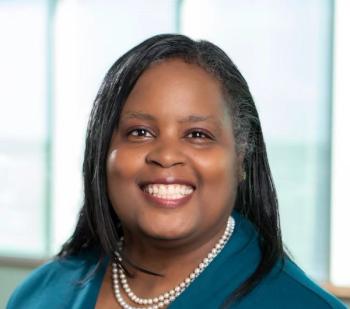
Dr. Margot Savoy says it’s important to listen to patients with concerns about vaccines. But she says physicians must provide clear, unambiguous guidance on getting vaccines.

Pediatric hospitals have more cash and are seeing strong financial performance. But Medicaid cuts are looming and they continue to see shortages of doctors in specialties.

The president calls for spacing out the MMR vaccine into single shots. The American Academy of Pediatrics, the American Medical Association and others say the White House’s executive order puts children at risk.
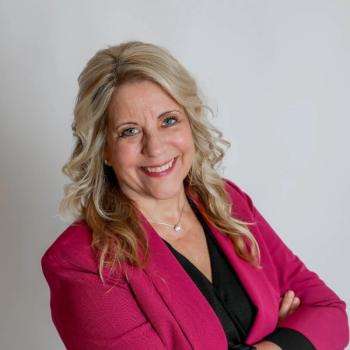
Healthcare leaders have talked about the aging population as a ‘future issue’.’ That future has arrived.

The Centers for Medicare & Medicaid Services released its plans for paying for inpatient hospital care Friday.
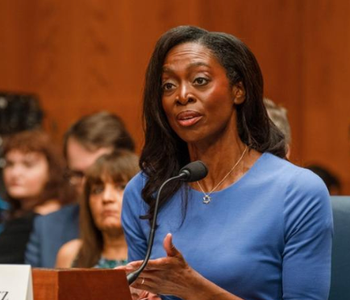
Dr. Erica Schwartz is now the director of the Centers for Disease Control and Prevention. The Senate voted to confirm her, a few weeks after a tense hearing.

The Justice Department reported record highs in False Claims Act settlements and whistleblower lawsuits. Attorney Taylor Chenery looks at the heightened enforcement and changing landscape.
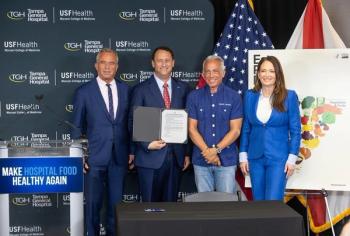
Health Secretary Robert F. Kennedy Jr. has pushed hospitals to serve better food. Tampa General’s food menu was revamped by celebrity chef Geoffrey Zakarian.

Many Americans have dropped coverage, and hospitals have warned they will see more uninsured patients.
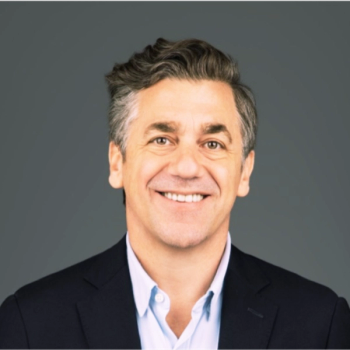
Insurers must move from maintaining provider directories to actively verifying, measuring, and reporting accuracy.
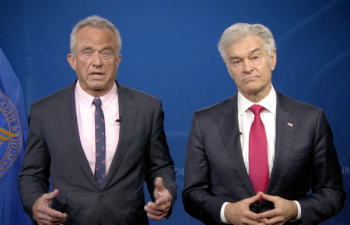
Robert F. Kennedy Jr. and Dr. Mehmet Oz are asking hospitals to take the pledge, but also referred to compliance to maintain Medicare funding.
The Centers for Medicare & Medicaid Services offers an increase in outpatient reimbursements, but some other proposals are drawing criticism.

Hospitals and health systems are dealing with the ramifications of HR 1, including significant cuts in Medicaid unfolding in the coming years.
Advertisement
Advertisement