
A new American Hospital Association report outlines dangers to rural hospitals that could lead to more closures.
Sally Werner talks with us about her plans for the organization, concerns about sustaining progress in the fight against cancer, biomarker testing and more.
When Sally Werner first began working as a nurse more than 25 years ago, patients with cancer stayed in the hospital for weeks.
Now, most patients are treated on an outpatient basis. Survival rates have improved, and people are living longer and more fully after a diagnosis. And she expects to see much more progress.
“Treatment has become so much more precise,” Werner says.
“There's work to be done, especially in rare cancers and some of these more complex and difficult diagnoses, but I have to believe in my lifetime, it will become a much more manageable disease,” she says.
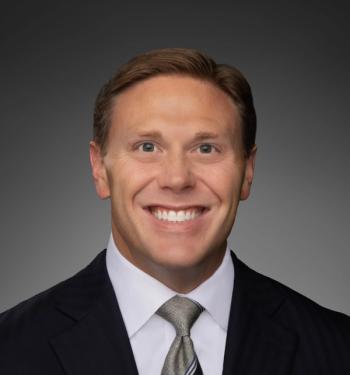
Werner is the CEO of Cancer Support Community, a role she has held for more than two years. She has worked with the organization for nearly a decade.
In an interview with Chief Healthcare Executive®, Werner says she sees the organization expanding. She’s looking to see the expansion of biomarker testing. She hopes to see sustained funding to maintain progress in the fight against cancer.
The five-year survival rate for cancer has reached 70%, according to data published by the American Cancer Society this year.
“That's a big milestone,” she says. “That is huge. And a lot of that increase is in areas of these cancers that used to not have a lot of treatments available to them, things like lung cancer, pancreas, colorectal, just tremendous movement there in treatment and innovation.”
“Even if we're not curing cancer, people are living a lot longer with their cancer and surviving and thriving,” Werner says.
‘Expand our footprint’
The Cancer Support Community provides services to patients and their families, including navigation for those having difficulty getting what they need.
Werner says the organization is aiming to reach more people.
“We continue to expand our footprint,” she says. “We have over 200 locations and a lot of plans for expanding into more hyper-local communities, reaching people where they are.”
The organization is also engaging in a national brand and marketing initiative.
The group also advocates for federal and state policy. Werner says she’s anxious to ensure continued federal support for cancer research. President Trump had initially sought substantial spending cuts to the National Institutes of Health, the main source of federal funds for medical research. But lawmakers pushed to preserve funding, and
“We really saw a decrease in mortality in cancer care, and we know that's because of research that has been conducted over the last several decades,” she says. “And so we don't want to see that research stop. We want it to continue. We want it to grow.”
“We're going to be hyper-focused on Medicaid coverage and what that means for cancer patients,” Werner says.
Some concerns include the impact of work requirements on Medicaid beneficiaries, which are slated to take effect next year.
“We promise to deliver clear education for patients and caregivers on those changes, in their state, and helping people to maintain their insurance to the best of our ability,” Werner says.
Biomarker testing
Werner also wants to see more patients gaining access to biomarker testing. Such tests can show patients with cancer about the potential for the cancer to grow, and if certain treatments are more likely to be successful.
Biomarker testing can also help patients avoid treatment that may not be as likely to be effective, Werner says.
“For patients, it's so critical to having the most precise treatment possible,” Werner says.
“In biomarker testing, the earlier we can act and respond to those tests, the better for the patient in everything from their treatment and their long-term side effects,” she says.
Not all states require insurers to cover biomarker testing. Werner says even in states where coverage is required, patients can run into problems. The Cancer Support Community hotline gets calls from patients who have been rejected for biomarker tests.
“We do a lot in the way of education, but also help them understand when there is a denial … we can always go back and appeal this,” she says. “So it's pretty common to get those calls on our helpline. And then also at our local sites, we do a lot of education, especially in those states where it's mandated or partially mandated, so that patients and caregivers know their rights.”
Seeking ‘de-centralized care’
Patients who call the Cancer Support Community often are seeking clarity on their illness.
She says the most common call is “education, just better understanding, plain language, education around their cancer care and diagnosis.”
Werner also hopes to see “de-centralized care.”
“Bringing some of these new innovations, complex cancer treatments, into the community, ensuring there's great support for those providers that are giving that treatment locally,” she says. “So as much as we can decentralize care and cut down on the time burden of travel for cancer care, I think that’s huge.”
Many call for help with transportation, which can be a big problem for residents in rural communities who don’t live near a hospital or treatment center.
“So many times, a patient can't drive themselves, especially when they're going in for treatment,” Werner says.
Telehealth is important for cancer care, she says. The White House and Congress recently
Werner says she’s hoping to see permanent telehealth reforms.
“Telehealth continues to be really important for rural health,” she says.
Werner says the organization is also working to help cancer patients and their families deal with the rising costs of treatment.
“For years and years and years, the cost of health care, including cancer care, has shifted to patient burden,” she says. “So, it's a huge issue.”