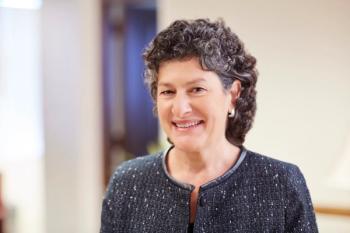
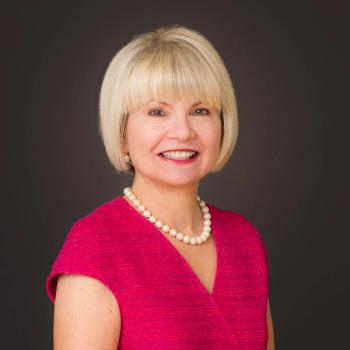
Maria Ghazal, president and CEO, talks about finding consensus across the healthcare ecosystem and in Washington.
Healthcare leaders have talked about the aging population as a ‘future issue’.’ That future has arrived.
America is facing an aging crisis with a nursing workforce that is already stretched thin. That challenge is most prominent in post-acute care, where nurses are caring for a growing population of older adults with increasingly complex medical needs following hospitalization.
Across post-acute and long-term care, the pressure is growing. Nurses are caring for older adults with increasingly intensive needs as complex diseases like Parkinson’s, Alzheimer’s, and Type 2 Diabetes increase with the aging population. Meanwhile, overcrowded hospitals are trying to safely discharge patients into facilities that are facing serious workforce strain. Inside these facilities, nursing leaders are dealing with a nearly impossible task: managing higher acuity, more documentation, more regulatory pressure and fewer experienced staff.
The demands on this workforce are only expected to grow.
The strain is already evident. In a
For years, healthcare leaders have talked about the aging population as a ‘future issue’.’ That future has arrived. The challenge is now preparing the workforce that is the backbone of this type of care.
Current federal staffing initiatives are an important piece of the puzzle, but they are not a complete strategy
Centers for Medicare & Medicaid Services (CMS)’s renewed attention to nursing home staffing is an important step. In a recent Notice of Funding Opportunity, CMS
Financial support for students and nurses interested in working in nursing homes can help, but funding alone will not resolve the workforce challenge. The issue is larger than recruitment – Post-acute care needs roles like nurses, certified nursing assistants, nurse assessment coordinators, directors of nursing, educators, and supervisors. The sector also needs the infrastructure to educate and train the people in these roles. At a time when nursing organizations are
There are practical constraints, as well. Many two-year nursing programs have faculty shortages and waiting lists. This creates barriers for those who want to work in long-term care by delaying entry to training programs and complicating logistics with employers. The CMS funding can help create momentum, but it cannot build educational and training capacity overnight.
Workforce policy requires more than increased hiring
Recruitment matters, and facilities need more workers. But a complete workforce strategy needs to be operational, clinical, educational, and cultural.
Post-acute care requires nurses who can manage complex transitions, coordinate across disciplines, understand quality measures, navigate reimbursement requirements, and lead teams through pressure. These skills are central to whether a facility can function – and by extension, whether patients survive and thrive.
We need better pipelines into post-acute nursing, but we also need stronger reasons for people to stay in the niche. Career development should be treated as a core workforce strategy. Training and certification are how organizations build consistency and confidence.
Building a sustainable workforce means creating opportunities for nurses to develop specialized expertise, grow into leadership positions, and continuously strengthen their clinical skills throughout their careers. Organizations that invest in professional development are better positioned to retain talent, support quality care, and prepare for increasingly complex responsibilities.
The investment must match the moment
Post-acute care is part of the infrastructure that makes chronic care management, rehabilitation, and caregiving possible.
Post-acute nurses are the keystone of care for America’s elderly and vulnerable populations. If we want future generations to have the best quality of care, we need to build the education capacity, career pathways, leadership support, and reimbursement structures that allow people to enter this field and remain in it.
Our futures depend on it.
Amy Stewart is the chief nursing officer of AAPACN, the American Association of Post-Acute Care Nursing.