The legislation is designed to make care more affordable, but it brings some challenges.
Health systems have to connect with lawmakers and policymakers, especially as hospitals face growing financial pressures and changes in federal policy.
Hospitals and health systems are seeing big changes in federal healthcare policy, and they have some work to do to gain more trust and attention from lawmakers.
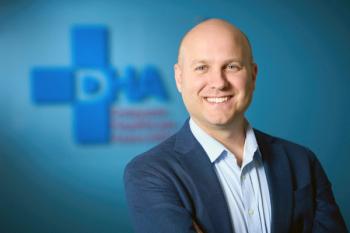
Soumi Saha, a healthcare executive and attorney who has advised policymakers, says that hospitals need to have a louder voice as they face cuts in Medicaid and some providers are facing serious financial difficulties. She talked about the need to engage policymakers during an interview for
“There isn't anybody in DC that's raising their hand and talking about how they need to save hospitals and how they need to save the health care infrastructure, which begs the question: Is it too big to fail? Are we going to allow hospitals to fail? Are we going to have to bail them out? I don't think we're there yet, as far as having that conversation, but we're pretty close,” Saha says.
Hospitals are looking at substantial cuts and changes to Medicaid programs following the passage of
But Saha also points to other pending policy changes that hospitals need to face. They include potential changes in
“The biggest concern is that a lot of folks think that cuts to healthcare ended with HR 1,” she says. “I think they only began with HR 1. I think there are so many more things that are still being discussed.”
Looking at cuts in Medicaid, which hospitals have opposed, and other changes in health policy, Saha says it’s fair to say that hospitals and health systems have lost some clout in Washington.
“I think the challenge when you talk to lawmakers is they each have a lot of individual respect for the hospitals in their constituency, but at the same time, they ask a lot of questions,” she says.
Lawmakers are raising questions when they hear about hospitals talk about financial problems but are also building new and impressive facilities or securing naming rights to a stadium, she says.
In addition, lawmakers hear about health systems talking about modest or even negative operating margins at investor conferences, but they also tout “multi-billion-dollar” venture arms.
“It's created an immense level of distrust moving forward, and so a lot of lawmakers do believe that hospitals are not being honest about their financial situation,” she says.
So even though lawmakers hold their local health systems in high regard, Saha suggests hospital leaders build strong relationships with their legislators. And they need to be frank about their financial standing.
“My biggest piece of advice is always be as you wish to appear,” she says. “You have to be honest about what is real, and you can't expect that lawmakers won't see through that smoke and mirrors. The biggest challenge that I think hospitals have is just perception.”
She also suggests hospitals need to be sitting down with the Trump administration.
“This administration is running the government like a business. They want people to come to the negotiation table and they want folks to negotiate,” Saha says.
“And you're seeing that in health care,” she continues. “You're seeing the payers come to the table and negotiate. You're obviously seeing the pharmaceutical manufacturers come to the table and negotiate. You've even seen the IT companies and vendors come to the table and negotiate. You haven't seen hospitals come to the table to negotiate yet, and so that is also holding them back, is that they're just not part of the conversation right now with the administration.”