























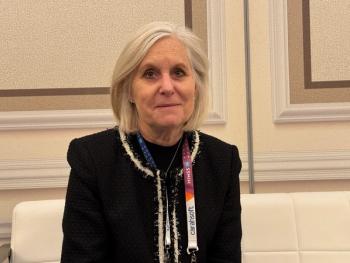
Jane Moran, the system’s chief information and digital officer, talks about the adoption of AI, moving carefully, and the goals of helping clinicians and patients.






Jane Moran, the system’s chief information and digital officer, talks about the adoption of AI, moving carefully, and the goals of helping clinicians and patients.
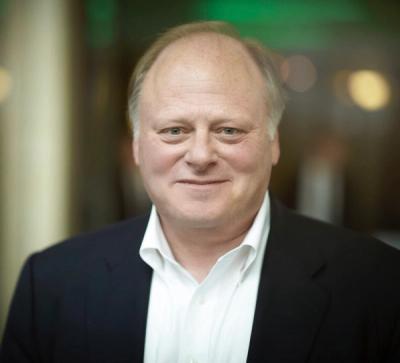
Hal Wolf, president and CEO, talked about AI’s advantages. But he also said health systems have to use digital tools wisely to get the returns they want.
He says hoping conditions improve isn’t a viable strategy. He also says it’s time to recognize that the government and employers expect more from health systems.

The big event kicks off Monday in Las Vegas, and here are some of the top themes and questions we’re exploring.

The HIMSS 2026 Global Health Conference & Exhibition kicks off in Las Vegas Monday. Here's a quick primer on the digital health conference.
In a wide-ranging conversation, he discusses the changes in how health systems are using AI, concerns for rural hospitals, changes in federal policy and cybersecurity.
In a conversation with Chief Healthcare Executive®, Wolf spoke about the big event in Las Vegas next week, AI, federal policy and more.

New York City's health system announces new leaders, and others take new posts.
Dr. Michael Kupferman talked with us about his first months leading the system, the organization’s growth, and the challenges ahead.

In an interview with Chief Healthcare Executive, she says the healthcare industry isn’t financially sustainable, a tipping point is coming, and hospitals are at risk.

Purchased services represent one of healthcare’s most under-leveraged opportunities to unlock value, improve performance, and accelerate execution.

Healthcare leaders are embracing the potential of artificial intelligence, but many want a sharper focus. Worries over financial pressure and federal policies were impossible to ignore.

Several healthcare leaders spoke with Chief Healthcare Executive about some of the biggest issues facing the industry.

The last of the Baby Boomers are approaching retirement, and health systems must prepare for a bigger population of Americans who will need more care.
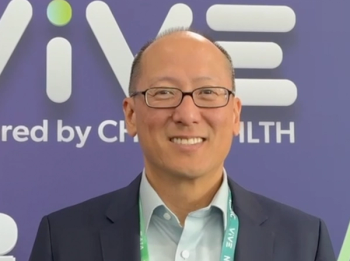
Dr. Nolan Chang of the Permanente Foundation talked with us about the potential for AI to offer better insights of patients, and how it shouldn’t be used.

In an interview at the ViVE conference, he talks about focusing on solutions, embracing opportunities and stresses that speed is a superpower.

Dr. Reshma Gupta, chief of population health at the University of California, talks about preventing chronic illness, reaching the vulnerable and the impact of cuts to Medicaid.

Health systems say clinicians are embracing AI tools that summarize patient conversations and ease documentation headaches. They’re being viewed as valuable tools to recruit and retain employees.

The health system is using telehealth to deliver more care across the rural Midwest, saving time for money and patients. Dr. Dave Newman of Sanford Health talks with us about virtual care.

Nursing leaders voice frustration about tech companies touting tools as ‘AI nurses,’ and developing solutions without input of nurses.

Leaders of rural health systems say vulnerable communities could lose access to care, and they hope policymakers pay attention.

Chief Healthcare Executive is launching a new video series examining the rapid changes in the industry. Our first guest, Soumi Saha, sheds light on federal policy shifts and what they mean for hospitals.
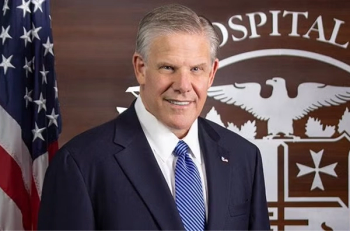
Rick Pollack, president and CEO of the American Hospital Association, says AI is improving efficiency in business functions. But he says incorporating AI into clinical areas must be done carefully.

Atrium Health Wake Forest Baptist has a new CEO, and other leaders take new roles.

Catina Latham of University of Chicago Medicine talks about tackling community needs such as recovering from violence, food insecurity and unemployment.