
The American Hospital Association is responding to claims from insurers accusing health systems of improperly coding.

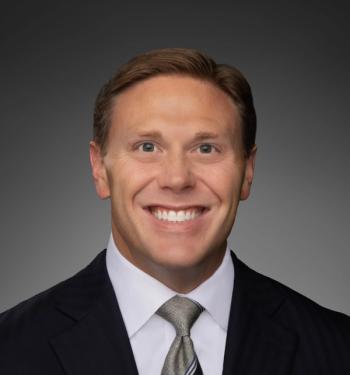
Dr. Reshma Gupta, chief of population health at the University of California, talks about preventing chronic illness, reaching the vulnerable and the impact of cuts to Medicaid.
Los Angeles - There’s not enough focus in the nation’s health system on addressing the conditions that eventually are going to put people in hospitals, Dr. Reshma Gupta says.
The chief of population health at the University of California, Gupta spoke at the ViVE conference on the need to shift the healthcare business model more on prevention than treatment.
Gupta says much of the work in population health is “thinking about wellness and screening.” And for those who have chronic diseases, the focus is on helping patients avoid greater complications by getting them to the right doctors and care teams.
But as Gupta tells Chief Healthcare Executive®, “That work isn't funded well at all, and it never has been. And so if you talk to patients, that's what they want. They want to be well. They don't want to get sick and wait until they're sick to kind of come in. But that's just not how we're set up to get paid.”
Millions of Americans are projected to lose Medicaid coverage over the next decade, according to the Congressional Budget Office. If those people don’t have coverage and aren’t seeing doctors or getting regular screenings, the health system is going to end up doing more treatment and less prevention.
“It is an enormous hit,” Gupta says. “There's no way that we're not going to feel the pain from that. And I think we come from a standpoint of wanting just to have uniform care for all the patients that we see. So it's really going to be a huge pinch.”
Gupta worries about some hospitals closing,
She also fears that some hospitals will have to reduce the number of services they provide, including labor and delivery units. In California alone,
Gupta warns that Medicaid reductions are likely to impact everyone. Those who lose coverage will end up going to emergency rooms for care, and that will lead to longer delays for all patients.
“We have enormous wait times already,” Gupta says. She says health systems are going to have to find ways to get patients assessed, at least quickly, so they don’t leave in frustration after waiting hours to be seen.
“We're trying to really think about what can we do in workflows, to think about a better way to set up urgent care centers right next to the EDs,, to be able to allow patients that don't have the emergencies to still be seen in a way where they're still getting expedited in their care,” Gupta says.
Gupta is especially concerned about the impact on underserved communities. And she says population health offers a path to tackle health equity, even as some of those efforts have drawn scrutiny amid anti-DEI sentiments in some areas.
Population health is “almost like the think tank of the health system,” Gupta says.
“We really understand what are the community needs, what are the patient needs that we see, and what are those groups of patients within them that have specific needs that we need to drive extra outreach to extra care,” she explains.
Population health programs look beyond race and ethnicity and examine data to identify those who need more help, including members of minority groups and those in rural areas. Those efforts could involve establishing telehealth to improve access or tackling other social needs that affect health.
“We still look at our data in a similar way, but we've expanded to look at other characteristics that are going to help everybody, and we just do it uniformly for everybody across the board, to deliver population health,” Gupta says.
While she is excited to be at ViVE, Gupta also says she’d like to see more tech companies harnessing their resources and talents to help bolster the health of communities, particularly those most in need.
“With population health, I know which medical conditions are driving the outcomes,” she says. “I know which medical conditions we have to intervene early, because it's going to lead to all these bad outcomes 10, 20 years down the line. And I don't necessarily see the same correlation with where companies are developing products.”
Gupta envisions more partnerships with technology companies to address these problems, especially as health systems will likely have fewer resources.
Hospitals and health systems are going to need to develop robust partnerships, from community organizations to schools, to do a better job of keeping people healthy and avoiding chronic disease.
“I think it's all hands on deck for this,” she says.