The American Hospital Association is responding to claims from insurers accusing health systems of improperly coding.

Health systems say clinicians are embracing AI tools that summarize patient conversations and ease documentation headaches. They’re being viewed as valuable tools to recruit and retain employees.
Los Angeles - The Mount Sinai Health System has been expanding its use of ambient documentation tools, and the organization is starting to see dividends.
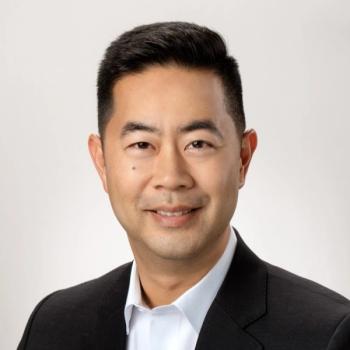
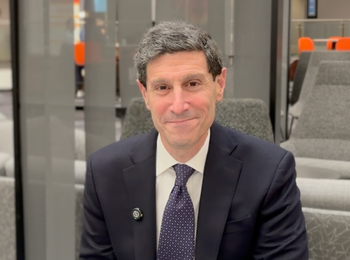
Robbie Freeman, the chief digital transformation officer of Mount Sinai, tells Chief Healthcare Executive® that the returns are encouraging.
In a conversation at the ViVE digital health conference, he says Mount Sinai is planning to have more than 2,000 clinicians using the AI-powered technology by the middle of the year.
“We're starting to get some really good, promising early indicators, both around how it can help support our clinicians,” Freeman says. “It can help reduce that overall stress. Also, we're seeing that it can help improve the quality of the documentation. We're really thinking through: how broad can we continue to go? Is this something that should just be table stakes for any clinician that comes to work in the health system?”
More health systems are using ambient documentation, which utilizes artificial intelligence to record and summarize conversations with patients. Shortly after the conversation, these tools produce summaries of the patient visit, potentially saving doctors time in updating patient records. Doctors ruefully refer to doing documentation outside the office as “pajama time,” and documentation is frequently cited as a leading source of burnout.
At this point, Mount Sinai isn’t able to definitively say how much time is being saved, although Freeman says the system is continuing to track it.
Mount Sinai also isn’t viewing ambient documentation as a tool to get doctors to see more patients, he says.
“It's not about cramming in more visits,” Freeman says. “We're not going in that direction. We're going in: How do we support our clinicians at a time when stress is pretty high and burnout is high? And we see this as one of the strategies we can help reduce that burnout, which in turn reduces things like turnover. It’s really good for the bottom line of the health system.”
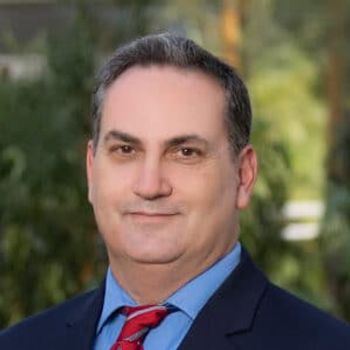
Dr. Brian Hoerneman, president and CEO of Sanford Health Marshfield, said in a panel discussion at ViVE that ambient documentation has persuaded some doctors to rethink their decisions of a career change.
“We've seen resignations rescinded,” Hoerneman said. “I've had three resignations, that we had people that felt over their head, they said work-life balance was gone. We had them use the tool, and they rescinded their resignation. So it really does work.”
Mount Sinai is viewing ambient documentation as a tool to boost retention, and also to help bring people into the organization.
“People are considering when they're thinking about which health systems they may want to work at or accept a job, they're asking: do you offer ambient documentation?” Freeman says. “So I think this is something to be competitive in the market with recruiting the best clinicians, that it's going to be something people are gonna be asking about. And as more people get experience with ambience, they're probably going to be expecting it.”
In the rollout at Mount Sinai, Freeman says he’s heartened by hearing doctors say that it’s helping them in their interactions with patients. For years, doctors had to try and talk to patients, listen to their responses, type away on a keyboard and try and think about a possible diagnosis, frequently looking away from the patient during the appointment.
Now, doctors can have more natural conversations. And the notes also are able to pick up details they may have missed.
“I'm hearing a lot of examples from our user group using ambient … They'll see something in the notes and then not remember it being part of the conversation. But with ambient, you can go back and listen,” Freeman says. “The patient will mention things that historically wouldn't have made its way into the note.”
More nurses at Mount Sinai are using ambient documentation.
Freeman, a registered nurse, says nurses have different workflows, and nurses haven’t always articulated what they are doing out loud.
“We're doing a lot of training and simulation, because that is a practice change,” he says.