

Ben Harder talks about adjusting for risk factors and recognizing hospitals that are tackling the most challenging cases.
Ben Harder talks about adjusting for risk factors and recognizing hospitals that are tackling the most challenging cases.

Our panel of leaders talks about AI’s impact on patient experience, improving care and accelerating research.

Our panel of healthcare leaders outline the areas where AI is paying dividends, even as they acknowledge the need for caution.

The Centers for Medicare & Medicaid Services released its plans for paying for inpatient hospital care Friday.

IBM's annual report shows healthcare breaches are the most expensive. Limor Kessem of IBM discusses the threats to healthcare organizations, the rising role of AI, and the progress some organizations are making.
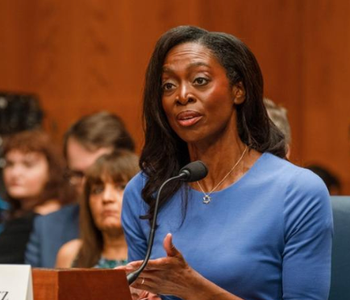
Dr. Erica Schwartz is now the director of the Centers for Disease Control and Prevention. The Senate voted to confirm her, a few weeks after a tense hearing.

The Justice Department reported record highs in False Claims Act settlements and whistleblower lawsuits. Attorney Taylor Chenery looks at the heightened enforcement and changing landscape.
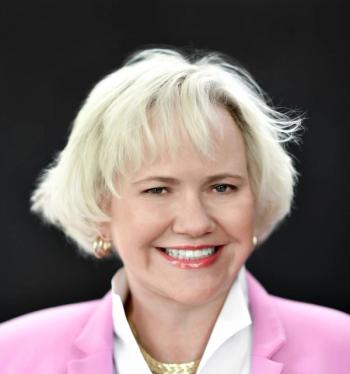
The patient safety organization expanded its Ambulatory Surgery Center Reporting Program. Leapfrog CEO Leah Binder talks with us about transparency, consumer demand, and employers anxious for more information.

Dr. Margot Savoy, chief medical officer of the American Academy of Family Physicians, outlines steps for treatment, public messaging, and educating staff.

Sky Lakes Medical Center in Oregon won the American Hospital Association’s top prize for community service. David Cauble, CEO of Sky Lakes, talks about the keys to making those programs succeed.
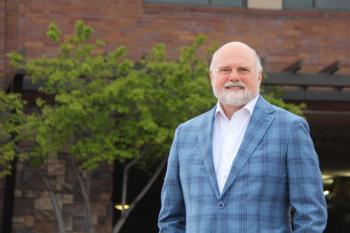
In the latest episode of our video series, we talk with David Cauble, CEO of Sky Lakes Medical Center in Oregon, which has received national recognition for its work to address community needs.

The health system is looking to acquire full ownership of Idaho Falls Community Hospital and partial ownership of Mountain View Hospital.
Our panel of healthcare leaders say retention remains a problem and too many clinicians are experiencing burnout. AI is seen as a tool to help, but some workers are worried it will cost them their jobs.
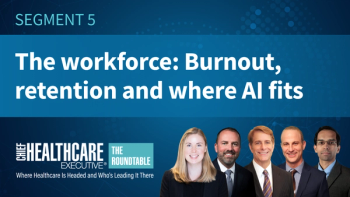
In the latest video from the Chief Healthcare Executive Roundtable, the panel discusses the difficulty in holding onto top talent, keeping workers healthy, and opportunities and challenges with AI.
Health systems can take steps to improve access to medications with limited distribution, while lowering costs.
Dr. John Deeken of Inova Health talks with us about the benefits for patients and hospitals, the results of a recent study, and offers advice for health systems looking to adopt the model.
Prisma Health and Erlanger Health System, based in Chattanooga, have signed a letter of intent to form a large system in the Southeast. The deal comes as hospital merger activity is on the rise this year.
Paul Hiltz, CEO of Naples, and Dr. Bryan Kelly, CEO of HSS, talk about collaborating on an orthopedic hospital in Florida, expanding services, and the benefits of teaming up without merging.
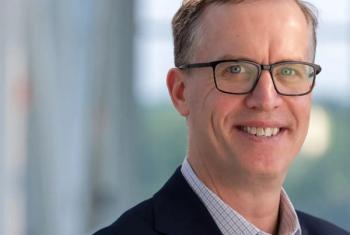
Lifepoint Health names a new hospital president, and others take new roles.

The health system has developed a network of thousands of smart rooms and is adding more. Dr. Valerie McKinnis of AdventHealth talks about the effort to transform patient care.
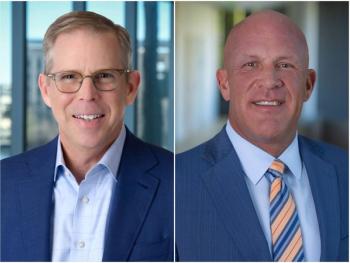
The two health systems said they are looking to form a joint venture involving eight hospitals and a host of clinics in Colorado. They hope to complete the transaction by early 2027.

The number of deals in the first six months of the year has nearly matched the transactions seen in all of 2025. Analysts expect more mergers and acquisitions in the months ahead.

The number of deals is much higher than last year, and some trends in the transactions are worth noting.
Top leaders talk about the mounting challenges of serving patients while dealing with insufficient reimbursements. They’re also preparing for looming Medicaid cuts.
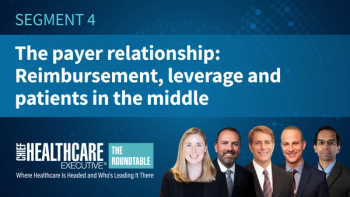
In the latest video from our roundtable, healthcare leaders talk about the impact of insufficient reimbursements. They're posing more headaches for hospitals and affecting patient care, the panel says.
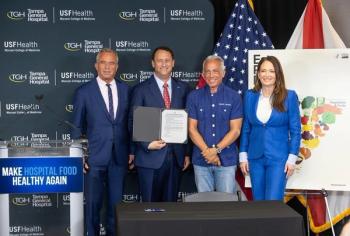
Health Secretary Robert F. Kennedy Jr. has pushed hospitals to serve better food. Tampa General’s food menu was revamped by celebrity chef Geoffrey Zakarian.

Many Americans have dropped coverage, and hospitals have warned they will see more uninsured patients.

The Florida health system has partnered with Reimagine Care to connect with patients and hopefully curb unnecessary emergency department visits and admissions.
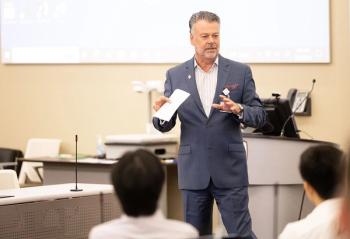
Dr. David Battinelli, dean of the Zucker School of Medicine and Northwell Health’s physician-in-chief, talks about rethinking medical education, engaging students, and AI.
The health system is using virtual nurses to support nurses delivering care on the floor. Julie Tuel of CommonSpirit talks about the strong early returns and lessons for other health systems.