
Operating margins remain constrained for many health systems, but performance and pressures vary by region.
Operating margins remain constrained for many health systems, but performance and pressures vary by region.

Health systems say the federal government’s planned rebate program would add $1 billion in administrative costs and hurt rural communities.
BPD Health’s new report finds patients want enrollment guidance from sources they trust. Health systems should be one of them.

A new survey shows 1 in 4 U.S. adults owe a medical debt. Michael Karpman of the Urban Institute talks about how hospitals can help.

A new report offers disturbing and surprising findings on a survey of Americans with medical debt.

How rural hospitals can navigate Medicare Advantage disputes, network adequacy rules, and reimbursement challenges.

The legislation is designed to make care more affordable, but it brings some challenges.
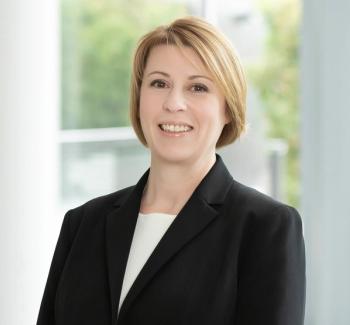
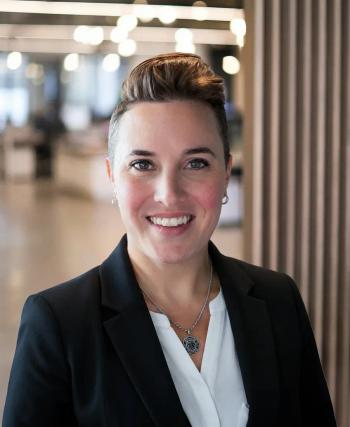
Laureen T. Driscoll, leader of Providence’s south division, will take over as head of the Pennsylvania system in January.
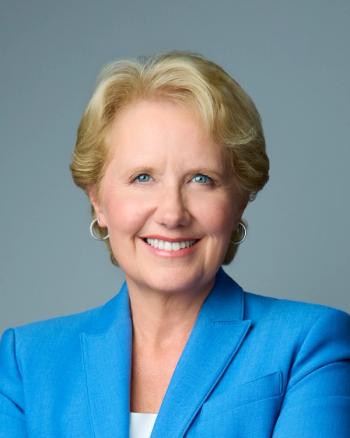
Karen Hanlon, the firm’s president, will be the next CEO, with David Holmberg becoming executive chairman.
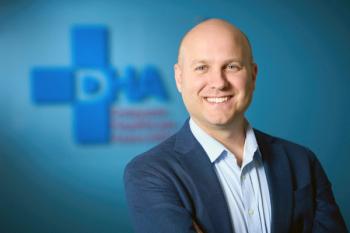
Brian Frazee, president and CEO of the Delaware Healthcare Association, talks about funding challenges and serving a growing population.
Physicians at recognized organizations report lower burnout, higher job satisfaction and lower intent to leave, according to the American Medical Association.

The American Hospital Association is responding to claims from insurers accusing health systems of improperly coding.

Nolla Health says it is the first company cleared for AI to issue initial prescriptions. Physician review shifts from every prescription to weekly spot checks as the pilot grows.
He talks with us about leading one of New Jersey’s few single hospital systems, taking care of staff and looking ahead.

WVU Medicine has finalized the acquisition of the Independence Health System and will invest $800 million in the hospitals.
Hospitals are facing more complexity, rapid change, and financial headwinds. They need to position boards to help guide systems.
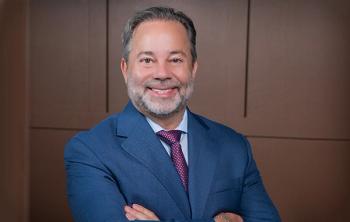
Ben Spence is now leading the Florida-based system.
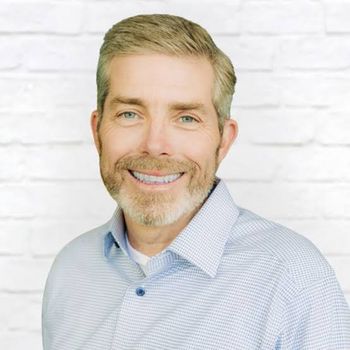
The system is overlooking millions of people living with undiagnosed or under-treated diseases.
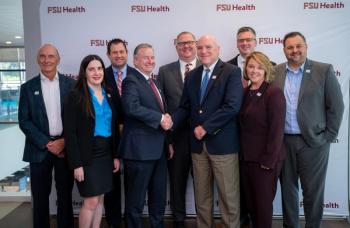
They have finalized agreements to develop FSU Health. Officials say they plan to offer more services across North Florida.

Several groups say that AI is a valuable tool, but warn physician expertise is essential. They push back against efforts to pit doctors against technology.
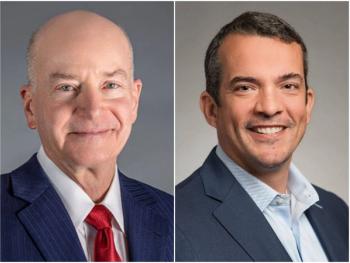
Dr. David Callender will step down at the end of the year. Alec King, the system’s chief financial officer, will be the next CEO.

Health systems can help patients before they choose an insurance plan that isn't right for them.

The two nonprofit health systems have signed an agreement to come together, adding to the list of deals in Minnesota.
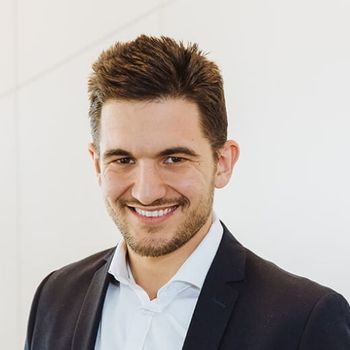
A dozen health systems have joined the collaborative. Elad Walach, CEO of Aidoc, talks with us about using AI for better and faster diagnosis.

The health system has closed a transaction with CommonSpirit Health to acquire Trinity Health System in Ohio.
He talks about a new consortium of hospitals working to use AI to improve imaging and how health systems should be looking at AI.
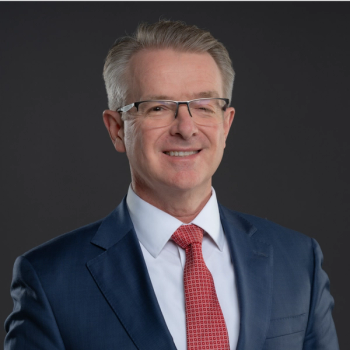
Dr. Patrick Frias talks with us about his new role, coming back to Atlanta, and expanding pediatric care across Georgia.
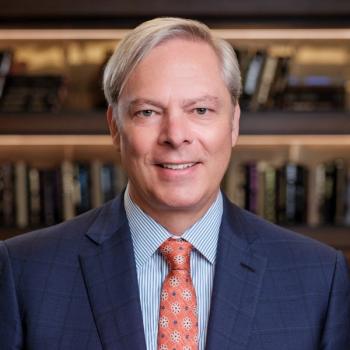
The Children’s Hospital Association is teaming with international partners to develop a coordinated approach to save lives.

A Deloitte report estimates significant new investments, and says interventions could add 20 years to women’s health span.
Medical educators must adjust their curricula in response to the AI age. It means less memorization and more empathy.