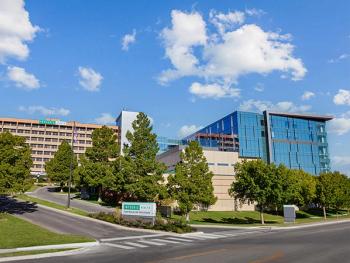
He spoke with us about plans to invest nearly $600 million in the Minnesota system, upgrading facilities and the alignment between the organizations.
Top leaders talk about the mounting challenges of serving patients while dealing with insufficient reimbursements. They’re also preparing for looming Medicaid cuts.
Hospitals are facing more problems in getting adequate reimbursements from insurers, and patients are paying the price.
That was the overwhelming sentiment of healthcare leaders who came together for the Chief Healthcare Executive Roundtable. In
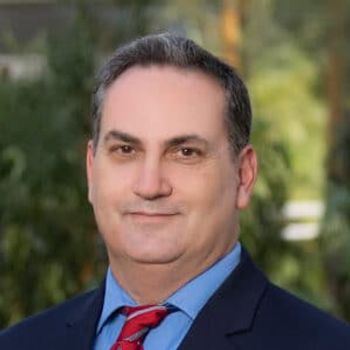
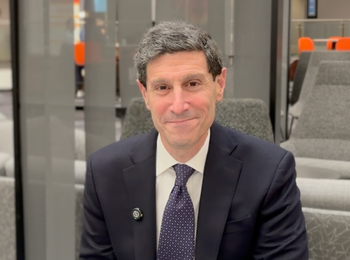
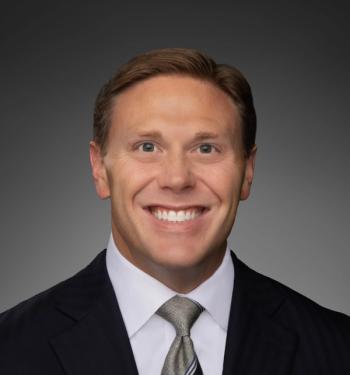
These leaders participated in our roundtable.
Check out the video for the full discussion. Here are some highlights from perhaps the most passionate segment of the conversation.
Jeopardizing the mission
Levy says Johns Hopkins has been struggling with more delays and denials in payments, including battles over authorizations for treatment.
“It's the patients who are getting squeezed,” Levy says. “We're feeling this front and center at our organization.”
Northwell Health is facing more pressures from inadequate reimbursements, Beiner says. The New York health system maintains modest operating margins because it’s aiming to invest more in services for patients.
But Beiner says it’s becoming more difficult.
“We're living on a 1% margin by choice, because the choice is to do the right thing for our communities,” Beiner says. “I reflect on the platform, the mandate, and what we as providers have to jealously guard, which is that we're the ones here for our communities and our patients, and those top-line pressures are jeopardizing that. We can't be shy about it.”
The hospital executives said they are assessing the impact of H.R. 1, the sweeping tax and spending legislation President Trump signed last year. Analysts project
Garrett says Hackensack Meridian is anticipating more challenges with Medicaid cuts.
“We take care of 20% of Medicaid patients throughout New Jersey already,” Garrett says. “Every time we see a Medicaid patient it's a significant loss, but it's part of the mission.”
Beiner said health systems are already facing challenges with Medicaid reimbursements falling short of covering the cost of care.
“We as providers have a role in affordability, but again, what we're spending on is giving care to people who need care, and the economic equation is that we lose money delivering that care,” Beiner says.
Advances aren’t rewarded
In some cases, health systems deal with problems when they try to find ways to deliver more effective treatments at lower costs.
Bhatt of Mount Sinai cites advances in atrial fibrillation ablation to treat a common heart rhythm disturbance in older patients. New advances are allowing the procedure to be done more quickly, enabling patients in some cases to be discharged on the same day. But Bhatt says the reimbursement is less compared to prior procedures.
“You've got a procedure that's actually better, but a hospital is going to make less money as it gets adopted,” Bhatt says.
Garrett expressed similar frustration, as health systems try to expand ambulatory services and hospital-at-home programs to help reduce costs.
“There should be some recognition of that in the reimbursement structure, and I haven't seen it,” Garrett says.
You can see all of the videos from our series on
The videos are free to watch, but you will be asked to fill out some information to access the videos. Join the conversation.