
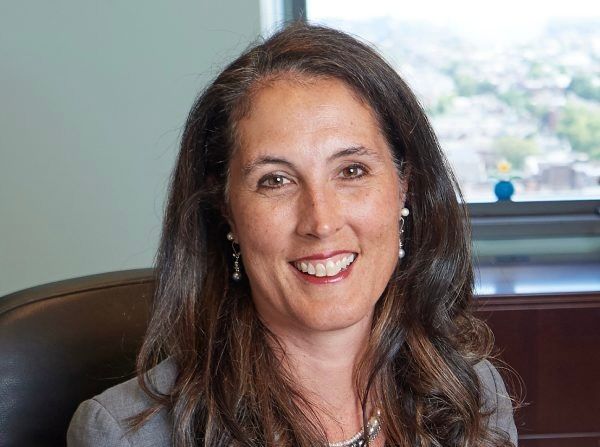

























Claire Zangerle, CEO of the American Organization for Nursing Leadership, talks about factors relating to burnout and turnover, and how health systems can do better.
Claire Zangerle, CEO of the American Organization for Nursing Leadership, talks about factors relating to burnout and turnover, and how health systems can do better.
The first study examining hospital-at-home programs in rural communities found strong outcomes. Researchers say the programs delivered high marks from patients and lower costs.
Susan Monarez, the former CDC director, says she thinks up to 90% of all care will take place at home in the not-too-distant future.

The new facility in Orange County will open its doors Dec. 1. Annette Walker, president of City of Hope Orange County, talks about the new hospital and the services it will provide.

The health system focusing on cancer is opening a new hospital in Orange County, California. Dr. Ed Kim talks about the need to go beyond current treatments.
Digital capability adoption is growing, but health systems must now shift from a strategy and move to tailored execution.

The system is undertaking an ambitious effort to improve patient care and speed progress toward cures. And the initiative is off to a strong start.

CIOs believe AI offers transformational benefits. Yet realization of that promise hinges on having a deliberate strategy.

States have submitted their applications for the federal government’s new Rural Health Transformation Program. Hospitals now will wait to see what they get.

States had to submit applications for the new federal program earlier this month. Here’s a look at what states are seeking and how hospitals advised the states.

The federal government launched the new program this summer, and states are aiming to win support for rural health programs.
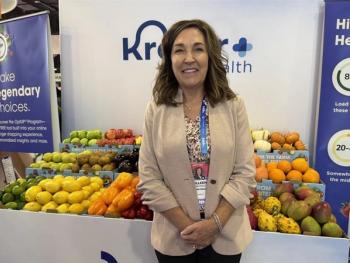
The division of the Kroger supermarket chain aims to play a role in changing health care. Colleen Lindholz, president of Kroger Health, talks about the opportunity ahead.

The Pennsylvania-based hospital system is incorporating AI strategy to engage patients and reduce headaches for clinicians.

The Trump administration launched the grant program, and states are running out of time to apply. Hospitals are working with states to make the best pitch.
The federal government’s new program is aimed at transforming care in rural communities. Patricia Boozang of Manatt Health talks about potential keys to success.

The Golisano Foundation announced the donations and the creation of a new alliance of 10 pediatric systems. Hospitals hailed record-setting gifts.
Saving the littlest lives is extremely resource-intensive. We need to ensure our micro preemie care pathways are built more sustainably.

The health tech conference was dominated by AI, but it took place amidst growing anxiety about changes in federal health policy.

Thousands traveled to Las Vegas for the conference. There was plenty of excitement about AI, but the tone was a bit different this year.

Lavonia Thomas of MD Anderson Cancer Center says hospitals and health system looking to incorporate AI successfully must partner with nurses.
AI will help nurses take better care of patients, if deployed properly. Lavonia Thomas of the University of Texas MD Anderson Cancer Center talks about keys to success.

The company partners with a number of health systems to operate small hospitals with a telemedicine concept, and more are in the works.

In this video discussion with Chief Healthcare Executive, the CEOs of MJH Life Sciences and BPD Healthcare discuss how the deal came together and what it means for healthcare executives navigating an increasingly complex marketplace.

Leaders from Kaiser Permanente, Risant Health and Geisinger talk about progress in their approach. Risant plans to add more hospitals to the system in the near future.

Tom Mihaljevic, MD, says he’s very enthusiastic about AI applications, but he said they need to be designed and implemented carefully.