
























If hospital leaders are deploying new AI tools and tech without input from nurses, they’re inviting problems.
If hospital leaders are deploying new AI tools and tech without input from nurses, they’re inviting problems.

The city is home to hundreds of health companies, and Oracle is moving its headquarters to Music City. Apryl Childs-Potter of the Nashville Health Care Council talks about building on that success.

Thousands of healthcare leaders are coming to Music City for the annual event. Artificial intelligence, cybersecurity, and new federal policies will be hot topics.
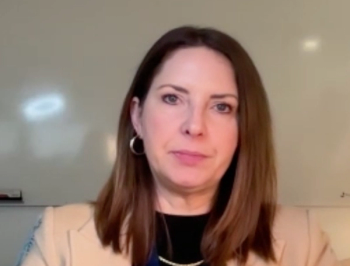
Apryl Childs-Potter of the Nashville Health Care Council talks about the reasons hundreds of health companies are based in Music City.
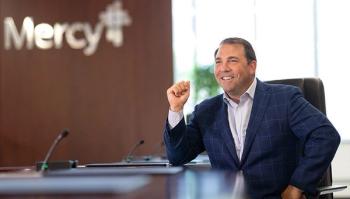
The Missouri-based hospital system has teamed with Aidoc to use artificial intelligence to support diagnostic imaging.

More physicians are showing enthusiasm for artificial intelligence and using it in their practice, a new American Medical Association survey finds.
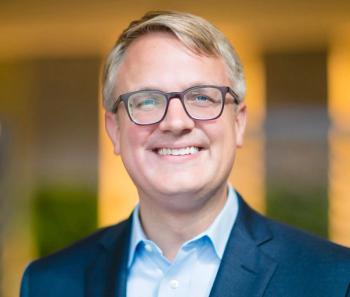
Once again, the clock is ticking on waivers for telemedicine and hospital-at-home programs. Kyle Zebley of the American Telemedicine Association talks about the push on Congress and the White House.
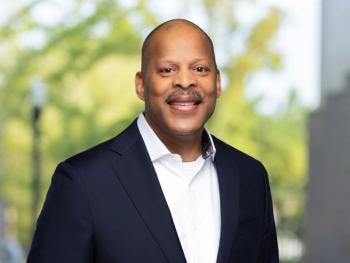
The Heartland Whole Health Institute is embarking on plans to improve the quality and access of care in fast-growing northwest Arkansas. Walter Harris, the institute’s CEO, talks about the work ahead.
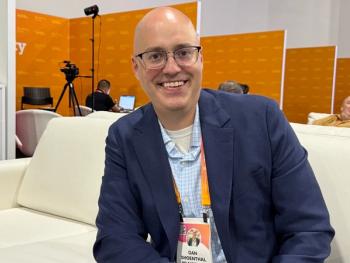
Dan Shoenthal, chief innovation officer at MD Anderson Cancer Center, talks about helping patients navigate the system, AI’s potential, and being thoughtful about its use.
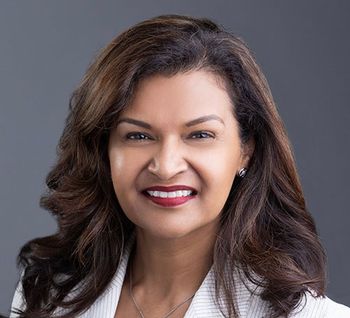
Emerus has partnered with several health systems to build small hospitals. Rachel George, chief medical officer of Emerus, talks about the company’s growth, increasing access and its telehealth model.
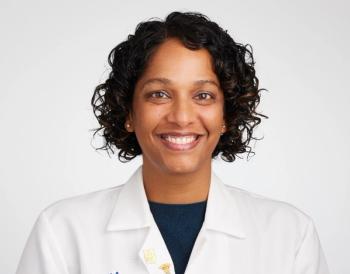
Dr. Mirna Mohanraj of the Mount Sinai Health System developed a program to collect more information about patients in intensive care units. She talks about the work and the benefits for doctors, patients, and families.

Duke Health and UNC Health are teaming up to build a new campus that will cost $2-3 billion. Officials share details about the long-awaited pediatric facility.
Dan Nardi talks about the firm’s partnerships with health systems, efforts to reduce unnecessary ED visits and offering more relief for patients and providers.
The health system and the state are embarking on an initiative to improve the health of kids in the Medicaid program. Nemours CEO Dr. R. Lawrence Moss talks about the effort and why it’s not for the faint of heart.

Leaders and analysts offer their projections on how AI will be used in business operations and in improving patient care.

Healthcare leaders offer predictions on trends regarding women’s health, cancer care, behavioral health, and more.

R. Lawrence Moss, CEO of Nemours, talked with us about the plans, which include expanding the emergency department of its Florida campus and its maternal and fetal health program in Wilmington.
There's a compelling argument for healthcare as a whole to "slow the roll." This pause is not about stifling innovation but rather ensuring that AI tools are developed responsibly.
Leslie Snavely talks with Chief Healthcare Executive about her immediate goals, working with hospitals and health systems, and her vision for the future.
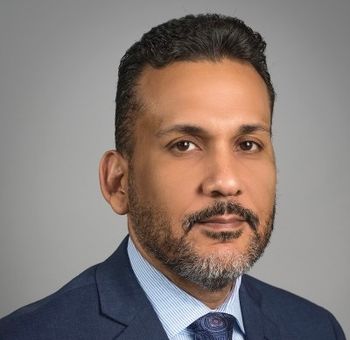
Brian Thompson was fatally shot in New York City and a suspect has been arrested. Eric Sean Clay of the International Association for Healthcare Security and Safety discusses new measures health organizations are considering.
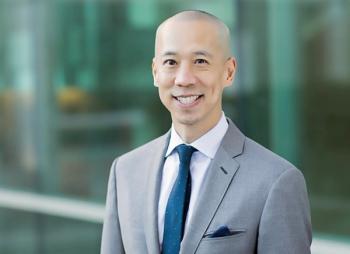
The chief medical executive of the Miami Cardiac & Vascular Institute, Nguyen hopes to transform care in the city and region. He also has a special affinity for the underdog.

The North Carolina hospital system is the second organization acquired by Risant. Earlier this year, Risant finalized the acquisition of Geisinger.
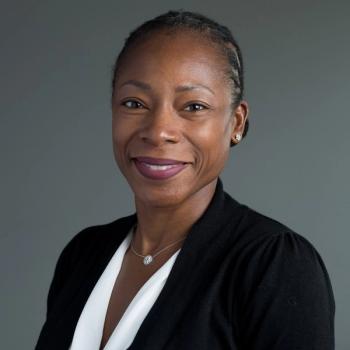
Dr. Myechia Minter-Jordan, the new chief executive of the organization, says that leaders should follow their instincts.
By analyzing trends in health outcomes and resource allocation, senior care centers can tailor their services to meet the specific requirements of each resident.
The co-founder of the telehealth company talks about the growth of virtual care, its value in behavioral health, and what deserves more attention.