





























There weren’t many transactions in the first half of the year, but industry analysts expect health systems to pursue more deals in the coming months.
There weren’t many transactions in the first half of the year, but industry analysts expect health systems to pursue more deals in the coming months.

More Americans are turning to these drugs to lose weight, and a new RAND report sheds light on the patients using the medication.
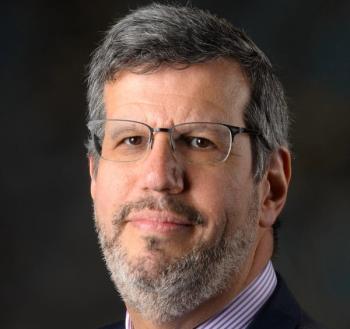
Dr. Richard Gorlick says his own battle motivated his career. He’s now the head of the division of pediatrics at MD Anderson Cancer Center.
Healthcare organizations must evolve towards dynamic, real-time governance and risk-based management of AI tools.
It’s time for remote care to stop being viewed as a novel enhancement and instead be adopted more broadly, particularly for those managing chronic conditions.

More health systems have launched programs to provide acute care in the home. Lawmakers are working to ensure those programs can continue.
Rooted in decades of research, behavioral science offers tested methods to enhance patient outreach and sustain engagement.
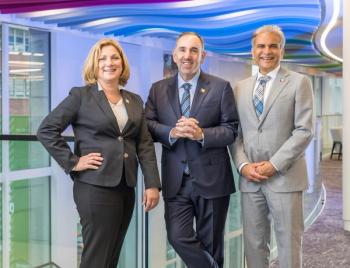
The Connecticut health system wins the group’s 2025 Quest for Quality Prize. CommonSpirit Health in Chicago was named a finalist.
Even with AI, health systems must take the right steps to achieve the value-based results they want — for themselves and their patients.

The legislation includes a provision ensuring Americans can get access to telehealth on a pre-deductible basis. Kyle Zebley of the American Telemedicine Association says the measure helps millions of patients.

AI chatbots can aid in diagnosis and care management. But there are several specific issues with current mainstream AI chatbots.

The nine-story building offers outpatient care with more than 25 specialty clinics. The tower also offers research facilities.
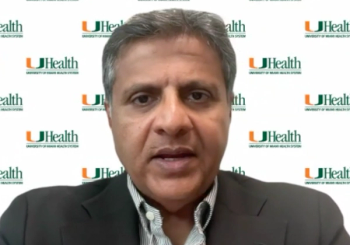
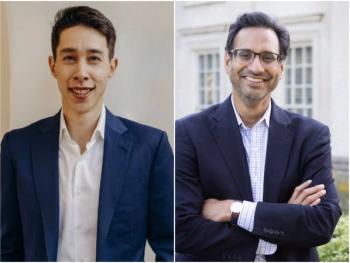
Dr. Dipen Parekh, the new CEO of UHealth, says the system is using AI in a host of ways to create more efficiency and improve patient outcomes.
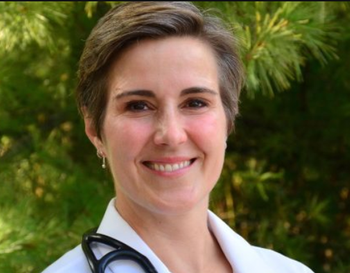
Hundreds of hospitals have nixed questions about mental health on applications, and most state boards have followed suit. Stefanie Simmons of the Dr. Lorna Breen Heroes’ Foundation talks about the progress and the need for more.
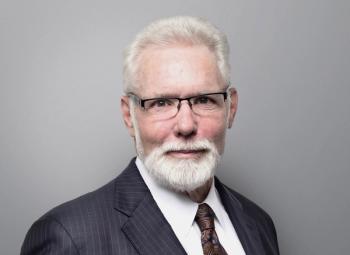
In finance, we recognize that investors can make high-risk, high-reward decisions. It’s time to extend that principle to healthcare.
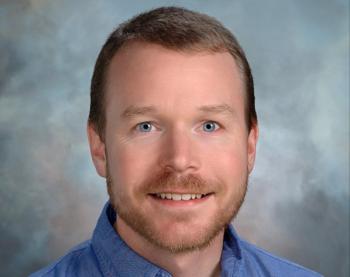
Sentara Health set out several key principles for the use of AI in the Virginia-based system. The guidelines emphasize safety, privacy and transparency.

The health technology conference in October will be spotlighting artificial intelligence. Rich Scarfo, president of HLTH, says the focus reflects the growing importance of AI in the industry.

The American Diabetes Association and The Leapfrog Group are honoring hospitals who are giving top-notch care to those with diabetes. It’s the second year the groups have presented the awards.

Leaders of top nursing organizations advise health systems on ways they can improve well-being and boost their chances at hiring and keeping good nurses.


The two institutions will build a new children’s cancer center. They say they’re excited about expanding research capabilities and are aiming high.

Some of the shifts may be permanent. Allison Oakes of Trilliant Health talks about fundamental changes in the way Americans seek healthcare.
The Kinder Foundation made the donation, which will fund a new children’s cancer center. Dr. Donald ‘Will’ Parsons of Texas Children’s explains how it will transform pediatric care and research in Houston.

RWJBarnabas Health and Rutgers Cancer Institute teamed to build the freestanding hospital. It’s part of a $1.5 billion investment in cancer services across the Garden State.
Doulas can improve the birthing experience for all, with their presence linked to positive outcomes, including reduced cesarean section rates and fewer preterm births.