


























Dr. Dipen Parekh, the new CEO of UHealth, says the system is using AI in a host of ways to create more efficiency and improve patient outcomes.
Dr. Dipen Parekh, the new CEO of UHealth, says the system is using AI in a host of ways to create more efficiency and improve patient outcomes.
Hundreds of hospitals have nixed questions about mental health on applications, and most state boards have followed suit. Stefanie Simmons of the Dr. Lorna Breen Heroes’ Foundation talks about the progress and the need for more.
In finance, we recognize that investors can make high-risk, high-reward decisions. It’s time to extend that principle to healthcare.
Sentara Health set out several key principles for the use of AI in the Virginia-based system. The guidelines emphasize safety, privacy and transparency.

The health technology conference in October will be spotlighting artificial intelligence. Rich Scarfo, president of HLTH, says the focus reflects the growing importance of AI in the industry.

The American Diabetes Association and The Leapfrog Group are honoring hospitals who are giving top-notch care to those with diabetes. It’s the second year the groups have presented the awards.

Leaders of top nursing organizations advise health systems on ways they can improve well-being and boost their chances at hiring and keeping good nurses.

The two institutions will build a new children’s cancer center. They say they’re excited about expanding research capabilities and are aiming high.

Some of the shifts may be permanent. Allison Oakes of Trilliant Health talks about fundamental changes in the way Americans seek healthcare.

The Kinder Foundation made the donation, which will fund a new children’s cancer center. Dr. Donald ‘Will’ Parsons of Texas Children’s explains how it will transform pediatric care and research in Houston.

RWJBarnabas Health and Rutgers Cancer Institute teamed to build the freestanding hospital. It’s part of a $1.5 billion investment in cancer services across the Garden State.
Doulas can improve the birthing experience for all, with their presence linked to positive outcomes, including reduced cesarean section rates and fewer preterm births.
Researchers developed an algorithm that reduces the time to confirm or rule out a heart attack. Two team leaders talk about the work and lessons they learned.
Even organizations with limited staff and resources can take steps to generate less waste and reduce their impact on the environment.
The Tennessee-based system has been acquiring more urgent care facilities, and is focusing on mid-size urban markets with room to grow.

While hospitals have focused more on social factors affecting health, less than 1 in 3 emergency departments ask patients about those challenges. Researchers call it a ‘missed opportunity.’
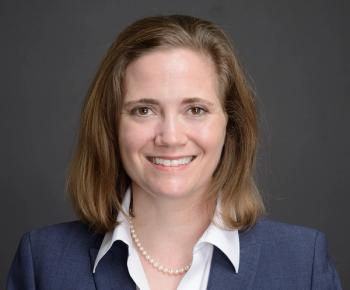
Health systems can make choices to reuse more materials and reduce the amount of waste they generate. Alex Chapman of Stericycle talks about the ways hospitals can improve sustainability and cut costs.
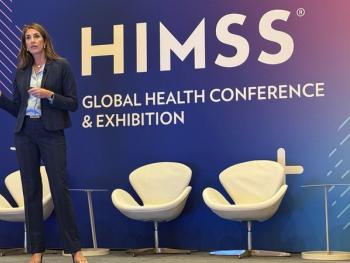
AdventHealth is using more renewable energy and engaging in environmental efforts across the system.

Pediatric hospitals deal with different factors in weather-related events and other emergencies. Terri Wilson of the Children’s Hospital Association talks about the challenges and the need for more planning and support.
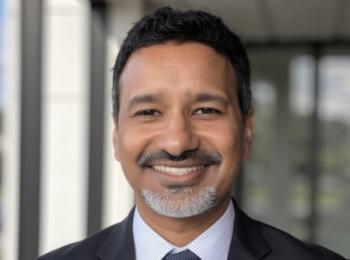
The Pacific Northwest health system began an initiative to encourage clinicians to choose less costly treatment options. Dr. Arun Mathews talks about the effort and its success.

They have formed a partnership to offer more products and are looking to create a joint MA plan. We talked with leaders from Sutter and SCAN about the collaboration and why they say it can lead to better care for seniors.

Oracle is moving its headquarters to Music City. Stephanie Coleman, CEO of the Nashville Chamber of Commerce, sees more healthcare companies coming.
The technology gap in rural healthcare isn't just a technology problem –– it's a health equity issue.

Too many women die after giving birth, and more are dying weeks or months after delivery. Dr. Cynthia Chen-Joea of the American Academy of Family Physicians talks about the stubborn problem and what can be done.