

Data + Technology
Latest News
Advertisement
Latest Videos




Shorts

0:32
Moving from theory to reality with AI
6 months ago
by
Ron Southwick
0:36
Expect more home hospital programs
6 months ago
by
Ron Southwick

0:43
Going beyond solving existing problems
6 months ago
by
Ron Southwick
0:46
AI documentation: It's not about more patient visits
6 months ago
by
Ron Southwick
0:42
Forecasting AI's impact on health care
7 months ago
by
Ron Southwick
0:43
AI arms race: Hospitals and insurance companies
7 months ago
by
Ron Southwick
0:38
ViVE 2026: Aiming to solve tough problems
7 months ago
by
Ron Southwick

0:58
AI, doctors, and the need for critical thinking
7 months ago
by
Ron Southwick
0:45
ViVE 2026: Navigating uncertainty
7 months ago
by
Ron Southwick
0:32
AI governance: Don't wait for perfection
7 months ago
by
Ron Southwick
Podcasts



































Advertisement
More News

St. Mary’s Healthcare serves a region where food insecurity is a major problem, as well as access to get help. The system focuses on addressing needs and using technology to improve care.
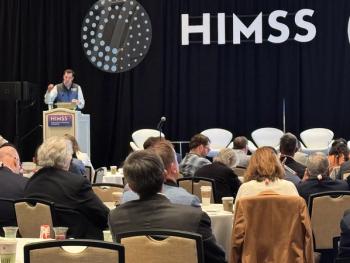
Health systems need to audit AI algorithms for bias like contaminated medical products, says Avishkar Sharma. Other health leaders have expressed concerns about bias as AI is used more broadly.
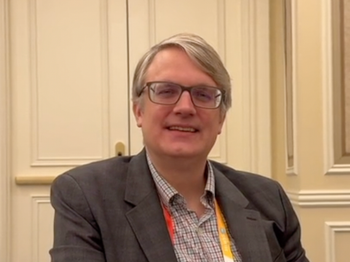
Kyle Zebley, CEO of the American Telemedicine Association says the $50 billion program will expand rural health capabilities.

More than a dozen healthcare executives offered their perspectives on the event, and how it showed health systems are changing their approach to digital tools.

An Iranian group has claimed responsibility for the attack on Stryker, a medical equipment company. John Riggi of the American Hospital Association talks about potential risks and the steps hospitals should be taking.

The annual digital health conference offered useful insights on what’s happening in the healthcare industry, and what’s coming.

Several leaders sat down with Chief Healthcare Executive® at the HIMSS conference in Las Vegas. They offered perspectives on big trends in the industry.
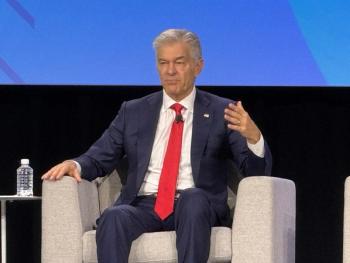
In a conversation at the HIMSS conference, Mehmet Oz, the CMS administrator, said tech needs to lower costs, and AI is going to play a bigger part in Medicare.
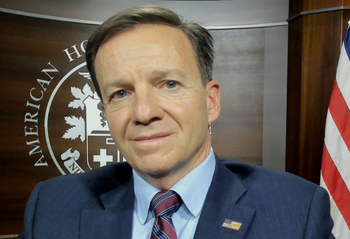
Cybersecurity experts are evaluating the attack of the medical technology company based in Michigan. There has been no impact found on hospitals, but health systems are advised to be alert.
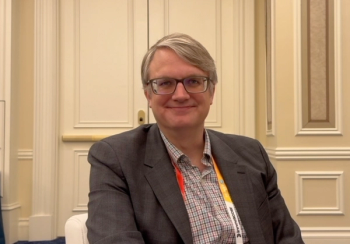
Kyle Zebley, CEO of the American Telemedicine Association, talks with Chief Healthcare Executive about wins in Washington and what’s next for telehealth.
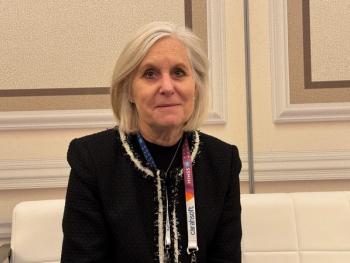
Jane Moran, the system’s chief information and digital officer, talks about the adoption of AI, moving carefully, and the goals of helping clinicians and patients.
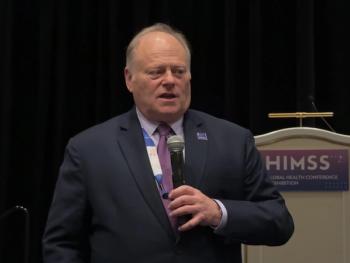
Hal Wolf, president and CEO, talked about AI’s advantages. But he also said health systems have to use digital tools wisely to get the returns they want.
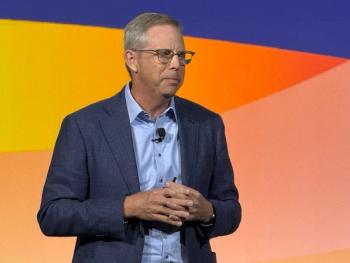
He says hoping conditions improve isn’t a viable strategy. He also says it’s time to recognize that the government and employers expect more from health systems.

The big event kicks off Monday in Las Vegas, and here are some of the top themes and questions we’re exploring.
Hospitals and health systems are doing more to counter cyberattacks, but there is also the need to focus more effort in protecting systems and patients.
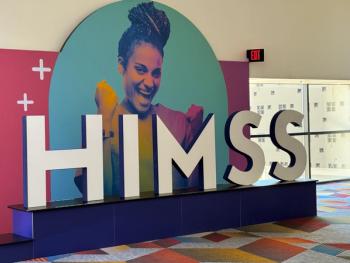
The HIMSS 2026 Global Health Conference & Exhibition kicks off in Las Vegas Monday. Here's a quick primer on the digital health conference.
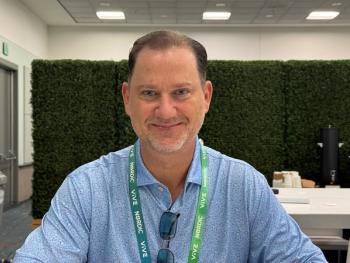
The chief information officer’s role has expanded in recent years, and those positions are in high demand. Jeffrey Sturman of WittKieffer talks about what hospitals are seeking.
In a wide-ranging conversation, he discusses the changes in how health systems are using AI, concerns for rural hospitals, changes in federal policy and cybersecurity.

In a conversation with Chief Healthcare Executive®, Wolf spoke about the big event in Las Vegas next week, AI, federal policy and more.
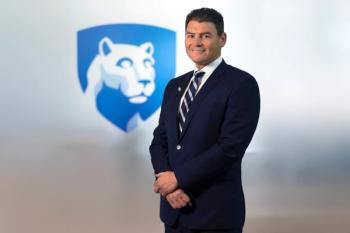
Dr. Michael Kupferman talked with us about his first months leading the system, the organization’s growth, and the challenges ahead.

The CEO of the Healthcare Financial Management Association talked with Chief Healthcare Executive® about big problems and opportunities.

Healthcare leaders are embracing the potential of artificial intelligence, but many want a sharper focus. Worries over financial pressure and federal policies were impossible to ignore.

Several healthcare leaders spoke with Chief Healthcare Executive about some of the biggest issues facing the industry.

The ViVE digital health conference put AI center stage. Here’s a quick overview of some key lessons from the big event.
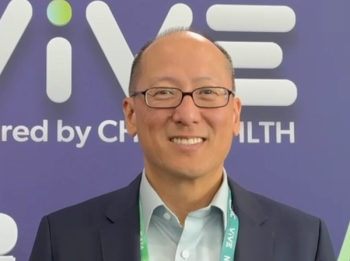
Dr. Nolan Chang of the Permanente Foundation talked with us about the potential for AI to offer better insights of patients, and how it shouldn’t be used.
Advertisement
Advertisement