
Several groups say that AI is a valuable tool, but warn physician expertise is essential. They push back against efforts to pit doctors against technology.
EHRs were developed by engineers and IT people. The fear and doubt associated with AI is a contributing factor to the burnout we’re seeing among clinicians.
When I started delivering babies in the 1980s, we were operating on paper records, and my focus was entirely on my patient.
Back then, we still called medicine an art. I remember what it felt like not to be burdened by the technology—mainly the electronic health record—that would slowly transform providers like me into administrative task workers. Where I used to have a moment to think about my patients, today a physician clicks on a computer some 4,000 times a day.
The problem with EHRs was that they were developed by engineers and IT people, and then thrust upon doctors and nurses without thoughtful designs that support the daily realities of patient care. Instead, EHRs often feel like a separate job altogether, one strictly performed for medical billing.
What we’re seeing now with artificial intelligence is similar, with big promises that it will revolutionize the practice of medicine and lead to better outcomes for patients. But what nurses and doctors fear is another administrative burden—only this time, it threatens to replace them.
The fear and doubt associated with AI is a contributing factor to the epidemic of burnout we’re seeing among clinicians. While the technology holds enormous promise, the enthusiasm of healthcare administrators means AI is being rushed into practice, is insufficiently understood, and insufficiently governed, which erodes trust and undermines the potential benefits.
As someone who is both a clinician and a believer in machine-learning technology, let’s talk about solutions in the context of the problem.
AI is not automation, and it can’t take your healthcare job
You’ve probably seen headlines where nursing unions across the country are pushing back against AI. One of the major reasons is job security: Nurses fear their employers are adopting AI in hopes of replacing human labor with technology.
Employers who want to replace nurses with technology will find it to be a futile endeavor. AI simply cannot replace the human touch at the heart of healthcare delivery. How can a machine replace the compassion a nurse brings to work every day, checking on patients and administering the care plan a physician lays out?
What AI should do, instead, is augment the jobs of nurses, not replace them. AI’s role is to support clinicians by pulling together relevant information and helping them reach decisions faster—not to replace clinical judgment or people.
Many hospitals and ambulatory practices are still inefficiently using the automation available to them through modern EHR platforms. For example, manual, repetitive data-entry tasks can be streamlined by using an accelerator—a one-click template for common scenarios (e.g., flu season checkups). But providers repeatedly recreate the same documentation instead of using saved templates.
Ensuring staff know how to utilize features like this present in the EHR will save labor hours and reduce the hesitancy clinicians feel toward technology more broadly.
Build champions: Start small and have a plan
Another piece of this puzzle is the turbulent way AI is adopted, even when it’s meant to simply support clinicians. Too many organizations will push AI tools out systemwide, leaving providers to fend for themselves, unsure of how to use them as part of their normal clinical workflow.
My advice is to start small and build buy-in. Give the AI to a small group first, targeting individuals who are willing to take on a new challenge as a learning experience. Use this pilot program with doctors and nurses to see how the technology can help them by pulling the data they need right at the point of care to inform decision-making, or automatically inputting data from an encounter into the EHR to reduce administrative burden.
From there, you build champions. You now have your on-staff AI advocates who can help their fellow clinicians, a few at a time, to demonstrate with real-world, hands-on knowledge the benefit of these tools and how to make the best use of them in patient care scenarios.
Final thoughts
Ongoing training will be necessary, but group classes aren’t enough—remember, most technology is still being designed by engineers who have task-driven mindsets. Oftentimes, vendor training sessions aren't conducted with doctors and nurses in mind.
Instead, healthcare organizations will need to invest in their people. Make true education—by clinicians for clinicians—a part of their culture. One way is to offer college credits as an employee benefit, and another is to continue to build new champions internally.
Remember that AI adoption fails not because clinicians resist change, but because they aren’t taught how to translate their thinking into the new system. Success requires coaching and patience. It necessitates that employers respect the role of clinicians as the ultimate decision makers and driving force behind delivering quality patient care.
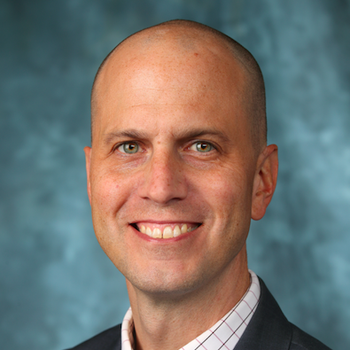
Dr. Gary Wietecha, MD, is the chief medical officer of Med Tech Solutions