




Data + Technology
Latest News
Advertisement
Latest Videos






Shorts

0:42
Chatbots for medical uses: The loud uncle at Thanksgiving
7 months ago
by
Ron Southwick

0:33
AI is helping some doctors get their lives back
7 months ago
by
Ron Southwick

0:40
AI in health care will accelerate in 2026
7 months ago
by
Ron Southwick

0:39
Patients want appointments, without long waits
8 months ago
by
Ron Southwick
0:31
Doctors should adopt AI at their own pace
8 months ago
by
Ron Southwick

0:33
AI governance: Why it must constantly evolve
8 months ago
by
Ron Southwick
0:37
AI can offer more consistent empathy
10 months ago
by
Ron Southwick

1:05
AI and nursing: Making it work
10 months ago
by
Ron Southwick

0:48
Wearables alone won't make Americans healthy
10 months ago
by
Ron Southwick
Podcasts





































Advertisement
More News

Nursing leaders voice frustration about tech companies touting tools as ‘AI nurses,’ and developing solutions without input of nurses.

Nurses find it insulting when solutions are touted as 'AI nurses' or substitutes for nurses.
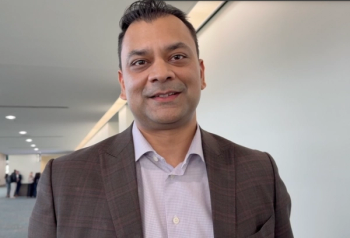
Gulshan Mehta of the Blanchard Valley Health System in Ohio talks about the new rural health transformation fund and the prospect of helping patients and staff.

The digital health conference kicks off today in Los Angeles, and it offers an interesting snapshot of the healthcare industry.
While many say they are planning to spend more, there are some adopting technology more aggressively.

The University of Mississippi Medical Center said it had to shut down clinics across the state due to the attack. The medical center took its systems down and said it could be a multi-day event.
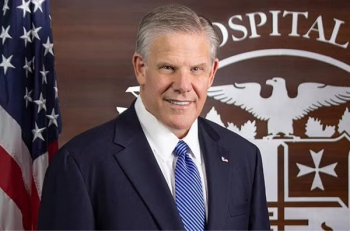
Rick Pollack, president and CEO of the American Hospital Association, says AI is improving efficiency in business functions. But he says incorporating AI into clinical areas must be done carefully.

ECRI names outages tied to cyberattacks and natural disasters among the leading dangers to patients, and hospitals need to have strong readiness plans.

Dr. Marcus Schabacker, president and CEO of ECRI, talks about the risks from older tools that could expose organizations to malware.
Strong programs are designed to withstand turnover, budget pressure, and repeated disruption without losing effectiveness.

Leaders from the health system will talk about how they found big savings in retiring obsolete systems.
It is time to shift from task-based automation to networked systems that can reason, plan, and adapt across complex and multi-step processes.
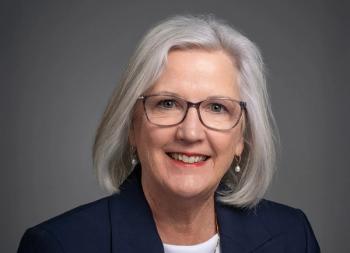
The pediatric health system views it as a new model of advanced care in the home. Jane Mericle of Nemours Children’s Health talks about the virtual care program.

Dr. Hamad Husainy, chief medical officer of PointClickCare, talks about artificial intelligence and its growing use in the emergency department in a conversation on Data Book, a podcast from Chief Healthcare Executive.

Thousands of leaders will attend the digital health event in Los Angeles this month. Rich Scarfo, president of HLTH, talks about the focus on practical solutions in a chaotic time.

The digital health conference will be spotlighting AI and its growing role in the healthcare industry.

The spending package includes a two-year extension for telehealth programs, and a five-year extension for home hospital programs. Now, advocates are seeking permanent reforms.

ECRI placed chatbots atop its annual list of hazards. Dr. Marcus Schabacker, ECRI’s CEO, talks with Chief Healthcare Executive about the problems with chatbots.

Dr. Marcus Schabacker of ECRI talks about the potential of chatbots to perpetuate bias and worsen disparities in the healthcare industry.

The White House and Democrats reached a tentative deal to prevent a government shutdown. Health systems are hoping to avoid another interruption to virtual care and home hospital programs.
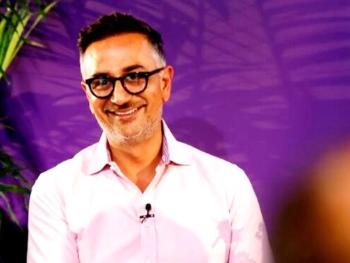
Fawad Butt, CEO of Penguin AI, says AI is moving beyond excitement and hype. He talks about the expansion of AI in an interview on Data Book, a podcast from Chief Healthcare Executive®.
Shifting from reactive fixes to a risk-driven strategy allows healthcare organizations to align cybersecurity with their broader mission of serving patients.

Healthcare leaders say artificial intelligence offers the potential to protect patients and avoid harmful events that can be protected.

More physicians are using AI technology, especially documentation tools. Dr. Nele Jessel of athenahealth talks about the growing acceptance and adoption of AI.
The most impactful strategies will target technology-driven solutions that align stakeholders around common goals.
Advertisement
Advertisement