A dozen health systems have joined the collaborative. Elad Walach, CEO of Aidoc, talks with us about using AI for better and faster diagnosis.

Several leaders sat down with Chief Healthcare Executive® at the HIMSS conference in Las Vegas. They offered perspectives on big trends in the industry.
Las Vegas - The HIMSS conference offers the opportunity to talk to a variety of healthcare leaders, and we aimed to capitalize on that chance.
Here are insights from some of the leaders we spoke with at the HIMSS Global Health Conference & Exhibition. They offered insights on changes on federal policy, hospital-at-home programs, cybersecurity, and AI They also provided perspective for hospitals to help position themselves for success.
For deeper dives, click the links to our stories and features on these leaders.
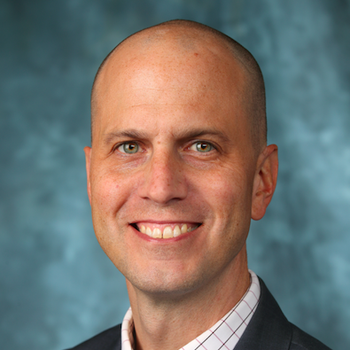
He talked about the impact of extended approvals for home hospital programs, and more hospitals looking to start those programs.
“We have heard a great deal of gratitude from the hospitals that we've been in contact with that are participating in the hospital-at-home program. The fact that we've got a five-year extension is really necessary. It's an expensive endeavor for these wraparound services and the technology necessary in order to successfully launch the acute hospital care at home program.”
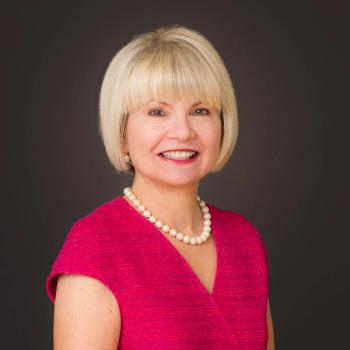
She talked about the impact of the waivers being extended for her system, and offered guidance for others considering such programs.“What the waiver provides at Mass General Brigham, as well as other systems across the country, is the regulatory framework and the financial certainty to continue to build out the model and invest in this important care setting.”
For those launching new programs, she says the key is “the change management.”
“And not only the change management, it's ensuring that there is awareness and buy-in from all levels of management, as well as clinicians and leadership and other key stakeholders.”
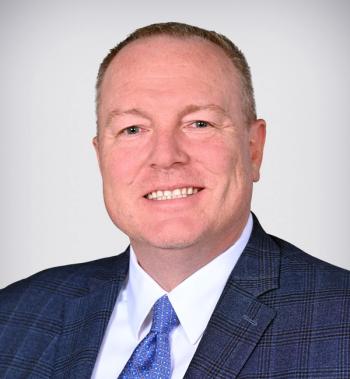
He offered suggestions for health systems looking to bolster their cybersecurity.
“I think one of the primary pillars is thinking about your overarching cyber security program. Think about what you're trying to solve and where you're trying to focus your thing. The conversation that you're having with your physicians, clinicians, and ultimately, your executive branch is going to be around patient resiliency, capability, resiliency.”
“My second tip or point is, don't wait for regulations. Don't wait for the regulators or the legislation to come out. Right. Think about where your program is and how you want to evolve that program and make the commitment.”
She offered insights on how the system is incorporating AI throughout the system.
“I think just the participation by everyone at Mass General Brigham on the opportunities that AI brings to our organization. They're very excited about it, and that makes it easy to start to work around.
“What are some of the great use cases where we can apply the tools, and how could we improve our patient experience and our clinician experience and our research experience? We're getting a lot of good advice. I think another key tool is the fact that people do recognize that we need to be cautious with AI and that we need to prioritize the patient and clinician experience as part of that process.”
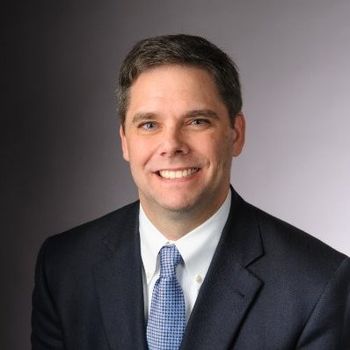
He offered advice for hospital and health system executives in challenging times.
“Resiliency right now is the most important thing. Again, margins are super tight. We've got all kinds of cost pressures, the aging demographic, challenges with things like tariffs, the labor workforce.
“We need to be thinking in kind of that Covid state of mind that we had, where when you're up against the wall and you have the pressures that we have, to think about resiliency.”