


































How health systems can act to leverage incumbent advantage to compete with new market entrants.
How health systems can act to leverage incumbent advantage to compete with new market entrants.

Using AI and EHR data, researchers developed a risk score that achieved an AUC of 0.88.

EchoGo Core could help improve patient care delivery.

Google has access to tens of millions more health records.

The model identified risk patterns in ECGs that human experts did not.

AI Medical Service’s tech helps physicians detect cancerous lesions.

Early signs that using AI helps tumor boards improve workflows and care decisions.

The challenge has already received a record-breaking number of submissions.

Arthur Harvey discusses health IT pain points and recruiting talent at BMC.
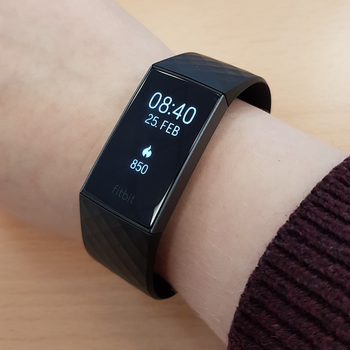
Google will use its platform and software to build a strong wearable.

This is just one of the many partnerships announced in October that aim to use tech to reduce administrative tasks.

The hope is that the tech leads to earlier diagnosis and treatment of the condition.

At HLTH2019, an expert at Fitbit discusses wearable devices.

The platform will alert clinicians about what is happening in a room at any time.

The machine-learning model and human experts achieved a 90% accuracy.

The app facilitates better, more timely communication between all involved in a transplant event.

The tech could lead to cost savings and improved patient outcomes.
How BMC gets its employees active in the tech implementation process.

Four things healthcare organizations need to consider when moving to the cloud.

AI can play a role in accurately identifying skin cancer, researchers found.

Get to know the new voices behind Data Book.

Ambient clinical intelligence could reduce physician burnout.

The partnership could improve the speed, cost and success rate of drug development.

The device can be used at home or in the hospital and tracks small and large infant motions.

The companies are leveraging health tech and real-world evidence to accelerate the process.