
Opinion|Articles|January 7, 2026
We're missing the mark on preventative care | Viewpoint
Author(s)Danish Qureshi
While primary care broadly faces underfunding, burnout, and poor coordination, pediatrics has been especially overlooked.
Advertisement
We talk a lot about prevention in healthcare — catching illness early, bending the cost curve, keeping people out of the ER.
Still,
I have witnessed how this fragmentation can strain families and clinicians alike. I saw it firsthand when my daughter was diagnosed with an autoimmune disorder. Despite over a decade of building care delivery companies in healthcare, it was a challenge to navigate the siloed pediatric care system on behalf of my daughter and family.
As a parent, the issue is personal. As a healthcare leader, it is unacceptable. If we’re serious about improving patient outcomes and lowering long-term costs, we have to stop treating pediatrics as an afterthought and more like the foundation of preventative healthcare that it should be.
Why pediatrics is a smart investment
Research shows when children receive consistent, coordinated care that addresses physical, behavioral, and developmental needs together, their
Yet despite clear evidence showing the multigenerational benefits of early, comprehensive pediatric care, we continue to underinvest. The U.S. is spending the bulk of its healthcare dollars managing chronic conditions in adulthood that could have been prevented with proactive pediatric care.
If we invested more in foundational pediatric multispecialty care — things like preventive services, screenings, behavioral health support, and proactive care coordination — we could build healthier trajectories from the outset, rather than paying the price for preventable complications down the line.
For instance,
Reimagining pediatric care delivery
Investing in pediatrics benefits the health of our children today and lays the foundation for healthier generations to come, with the potential to lower long-term costs and strengthen the healthcare system as a whole. But to unlock the full promise of pediatric care, we must break down the structural barriers holding the system back.
Public policy: A strong pediatric system depends on stable, long-term public investment. Programs like Medicaid and CHIP play an essential role in providing access to care for millions of children. Yet, they remain vulnerable to funding uncertainty at a moment where the need couldn’t be greater. Policymakers must prioritize sustained support for these programs, alongside dedicated funding for integrated behavioral health services and multispecialty collaboration within pediatric settings. Real progress requires policymakers to treat pediatric care as a key foundation for prevention and long-term cost control.
Clinician compensation: Pediatricians
Coordinated care models:
Modernizing workflows: Many pediatricians are stuck navigating outdated systems that add friction to already demanding jobs. Administrative tasks like EHR documentation, billing, and insurance paperwork eat into their time with patients and often extend into evenings and weekends,
Strengthening pediatric systems through funding early interventions, equipping clinicians with better tools, and designing care models that prioritize long-term impact over short-term fixes is one of the most future-focused investments we can make – for both public health and healthcare's bottom line.
The path forward can no longer be about incremental fixes. It requires a national commitment to pediatric health as the starting point for long-term population well-being, economic sustainability, and generational health equity. Investing in pediatrics is not just about healthcare — it’s about building a healthier, stronger nation from the ground up.
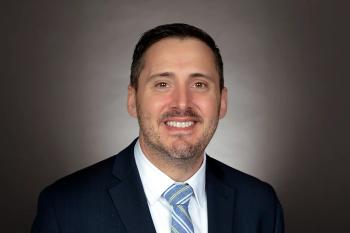
Danish Qureshi is the founder and CEO of Zarminali Pediatrics.
Advertisement
Related Content
Advertisement




































Advertisement
Advertisement