
Hackensack has reached a definitive agreement to acquire Hunterdon Health and has pledged to invest $230 million in upgrades.
A KPMG survey finds most expect more deals and are optimistic about the year ahead.
Even with an uncertain landscape, most healthcare and life sciences leaders say they expect to be pursuing more mergers and acquisitions in 2026, according to a new KPMG survey.
The survey found nearly three quarters (73%) of life sciences executives expect to see more merger activity, according to the survey, which was released Thursday morning. Healthcare leaders were a bit less optimistic, but still a solid majority (61%) said they expected to look at more deals.
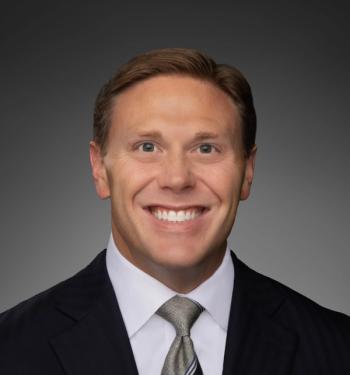
Drew Corrigan, KPMG’s U.S. Sector Leader for Healthcare, tells Chief Healthcare Executive® that he is a bit surprised to see such healthy forecasts for mergers among hospitals and health systems.
“With all the crazy headwinds that I see over this last year on the healthcare side, there’s still a pretty good, bullish view on M&A and transactions and opportunities for growth, even among the healthcare entities,” Corrigan says.
“I guess it's encouraging. I was a little bit surprised to hear how upbeat this is,” he says.
KPMG gathered responses from 500 industry leaders for its 2026 Healthcare and Life Sciences Outlook.
The survey generally found more optimism among leaders of life sciences companies than those in hospitals and health systems. Only 41% of healthcare leaders said they expected an increase in valuations in the coming year. That’s a significant drop from 2024, when 41% said they expected higher valuations.
More than half (60%) of life science leaders said they projected an increase in valuations, but there was also a drop among those respondents compared to 2024, when 72% expected an uptick.
Corrigan says the more measured outlook from healthcare executives reflects uncertainty about federal health policies and ongoing concerns about reimbursement rates.
In the first half of 2025, only a handful of hospital mergers were announced, but
Hospitals and health systems said they would be investing most in information technology and behavioral health.
Health systems could see greater financial pressures as they expect to be treating more people without any insurance. Corrigan says
“It's not helpful to the health systems’ overall operating margins that are already under pressure,” Corrigan says.
Even some younger Americans who could afford to purchase insurance on the Affordable Care Act marketplace could opt to drop insurance due to higher premiums.
“If you're younger, very healthy people, maybe single … if you're looking at extremely high premiums and really big deductibles, you might just say, maybe I'll go bare a few years and try my luck,” Corrigan says.
Hospitals are also bracing for cuts in Medicaid programs, including
With Medicaid cuts on the horizon, some smaller hospitals or systems that had wanted to stay independent could look to join bigger organizations to ensure their long-term viability.
“There could be more deal activity as it relates to hospital systems themselves,” Corrigan says.
Most healthcare and life sciences organizations will be ramping up investments in artificial intelligence, Corrigan says. More companies and health systems are moving beyond experimental uses of AI, he says.
When it comes to AI, Corrigan says, “We're maybe a little bit further behind as an industry on the healthcare side. There's probably more low-hanging fruit and ways to make these organizations more profitable, which is exactly what they need to do.”
Health systems are also looking to invest more in telehealth, and Corrigan says he expects to see more spending on virtual care capabilities in rural areas.
“I think the demand will continue to be there,” he says. “I think maybe as a population, we're still getting more used to it. I think Covid was a perfect way for us to learn real fast how to do things from a remote setting. I think a lot of the younger people might prefer never going to a doctor's office, if they can ever avoid it. So depending on who you are, there may be plenty of appetite.”