


AI & Data Analytics
Latest News
Advertisement
Latest Videos







Podcasts





































Advertisement
More News

An open and connected ecosystem democratizes access, driving more innovation, increased competition and higher-quality solutions.
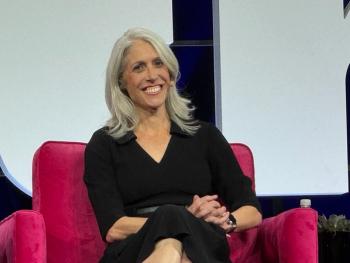
Susan Monarez, the former CDC director, says she thinks up to 90% of all care will take place at home in the not-too-distant future.
Successful AI implementation starts with use cases, not technology. And those use cases are only as strong as the data beneath them.

The growing company, which recently acquired Clarity Software Solutions, is working with providers and health plans to improve the patient experience and build loyalty.

Health Gorilla CEO Bob Watson talks about TEFCA in the return of Data Book, a podcast from Chief Healthcare Executive. He talks about making data exchange easier, AI, and putting the patient first.

CIOs believe AI offers transformational benefits. Yet realization of that promise hinges on having a deliberate strategy.

A KPMG survey finds most CEOs say their organizations are making significant investments over the next year. Drew Corrigan of KPMG talks about what leaders are seeking with AI.

The Pennsylvania-based hospital system is incorporating AI strategy to engage patients and reduce headaches for clinicians.

A recent PwC survey shows many patients facing barriers to health care, and they are more eager to adopt tools that can help them find the right provider or assist in a diagnosis.

The health tech conference was dominated by AI, but it took place amidst growing anxiety about changes in federal health policy.

Thousands traveled to Las Vegas for the conference. There was plenty of excitement about AI, but the tone was a bit different this year.

Lavonia Thomas of MD Anderson Cancer Center says hospitals and health system looking to incorporate AI successfully must partner with nurses.
AI will help nurses take better care of patients, if deployed properly. Lavonia Thomas of the University of Texas MD Anderson Cancer Center talks about keys to success.
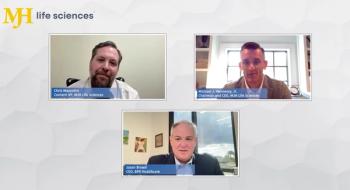
In this video discussion with Chief Healthcare Executive, the CEOs of MJH Life Sciences and BPD Healthcare discuss how the deal came together and what it means for healthcare executives navigating an increasingly complex marketplace.

In a conversation with Chief Healthcare Executive, Don Antonucci talks about the problems with high costs and a lack of access. He talks about how the health plan is using AI to solve some problems.
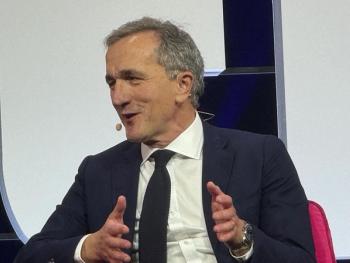
Tom Mihaljevic, MD, says he’s very enthusiastic about AI applications, but he said they need to be designed and implemented carefully.

The HLTH conference kicks off this Sunday in Las Vegas, and it’ll spotlight important conversations during a turbulent time.

Thousands are attending the health technology conference in Las Vegas, which began Sunday. Hundreds of sessions will feature AI, digital health, and federal policy.

The partnership is designed to improve the patient experience and ease burdens on clinicians. They see AI as a tool to create more consistency and even more empathy.

More organizations, including smaller practices, are turning to AI. Liz Wilke, an economist for Chase, talks about AI in the latest episode of Healthy Bottom Line, a podcast from Chief Healthcare Executive.

Michael Charlton, head of the New Jersey system, discusses work to improve the region’s health, partnerships with Oracle and the Cleveland Clinic, and a day with Dr. Oz.
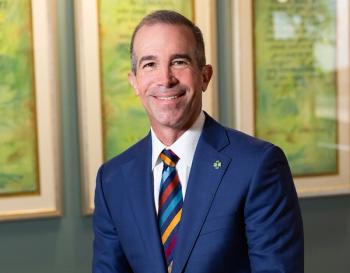
Erik Wexler, president and CEO of Providence, talks about the system’s focus on artificial intelligence, its strategy for the next five years, and digital tools to help patients and providers.

A digital health leader, Rock talks about his company, AI, and his career as a founder in the latest edition of our podcast, Healthy Bottom Line.

Most say they are optimistic about its potential, but they don’t have a clear clinical strategy for AI. Dan D’Orazio of Sage Growth Partners talks about a survey of executives on AI.
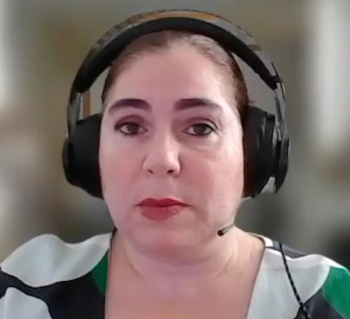
Many organizations don’t have policies to prevent the use of AI without employer approval. Limor Kessem of IBM explains that it’s an area needing more attention.
Advertisement
Advertisement