




AI & Data Analytics
Latest News
Advertisement
Latest Videos







Podcasts
































Advertisement
More News

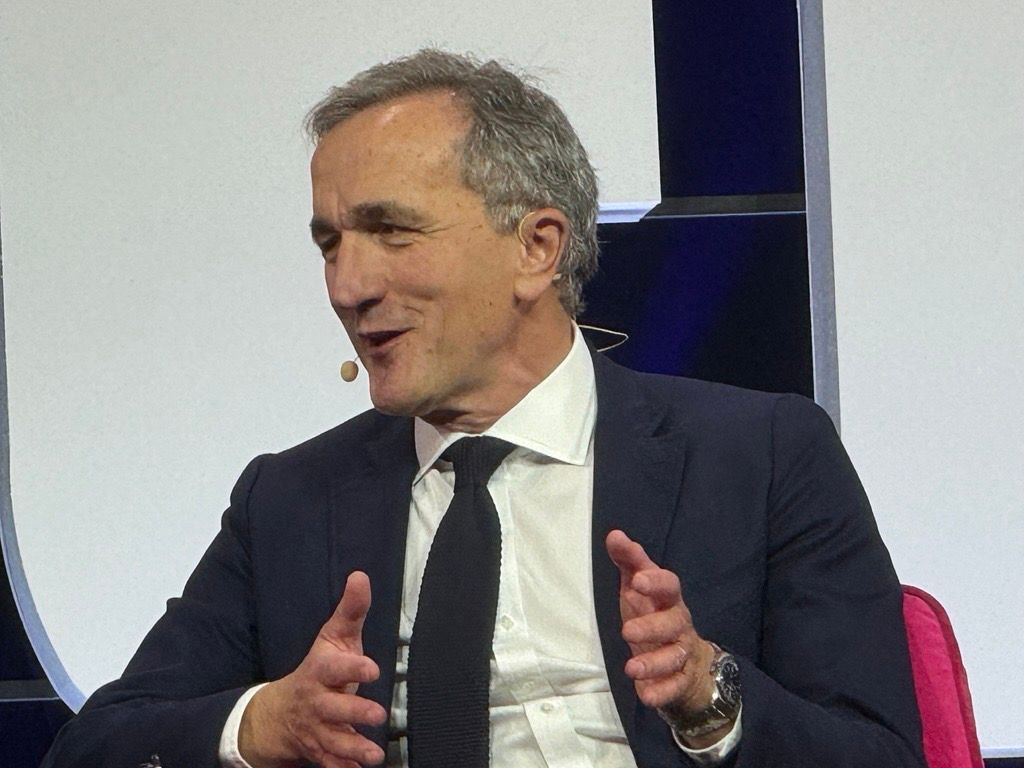
The HLTH conference kicks off this Sunday in Las Vegas, and it’ll spotlight important conversations during a turbulent time.

Thousands are attending the health technology conference in Las Vegas, which began Sunday. Hundreds of sessions will feature AI, digital health, and federal policy.

The partnership is designed to improve the patient experience and ease burdens on clinicians. They see AI as a tool to create more consistency and even more empathy.

More organizations, including smaller practices, are turning to AI. Liz Wilke, an economist for Chase, talks about AI in the latest episode of Healthy Bottom Line, a podcast from Chief Healthcare Executive.
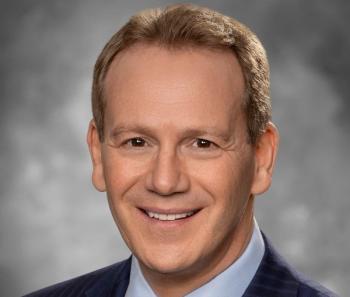
Michael Charlton, head of the New Jersey system, discusses work to improve the region’s health, partnerships with Oracle and the Cleveland Clinic, and a day with Dr. Oz.
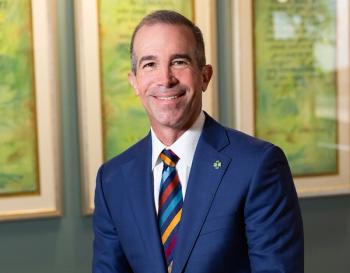
Erik Wexler, president and CEO of Providence, talks about the system’s focus on artificial intelligence, its strategy for the next five years, and digital tools to help patients and providers.

A digital health leader, Rock talks about his company, AI, and his career as a founder in the latest edition of our podcast, Healthy Bottom Line.
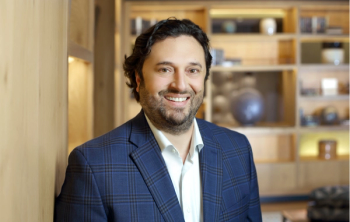
Most say they are optimistic about its potential, but they don’t have a clear clinical strategy for AI. Dan D’Orazio of Sage Growth Partners talks about a survey of executives on AI.

Many organizations don’t have policies to prevent the use of AI without employer approval. Limor Kessem of IBM explains that it’s an area needing more attention.
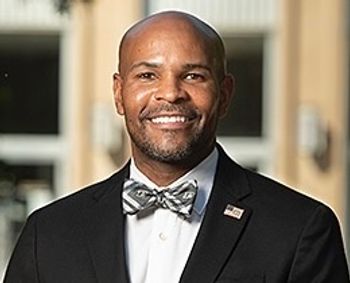
Dr. Jerome Adams, who served as surgeon general in the Trump administration, will serve as a medical adviser. The company pairs digital stethoscopes with AI technology.

The California health system has been named the company’s West Coast hub for innovating with AI. Elad Walach, CEO of Aidoc, and Laura Wilt of Sutter Health talk about the collaboration.

The tech company is rolling out its new electronic health records to ambulatory providers in the United States.

More health systems are using AI tools to improve defenses, but ransomware groups are using it for phishing, writing malware, and deepfakes.

A new IBM report puts the costs of healthcare breaches well above other sectors. While some systems use AI to help bolster cybersecurity, there are growing vulnerabilities.

Healthcare organizations must evolve towards dynamic, real-time governance and risk-based management of AI tools.

Even with AI, health systems must take the right steps to achieve the value-based results they want — for themselves and their patients.

AI chatbots can aid in diagnosis and care management. But there are several specific issues with current mainstream AI chatbots.

Dr. Dipen Parekh, the new CEO of UHealth, says the system is using AI in a host of ways to create more efficiency and improve patient outcomes.
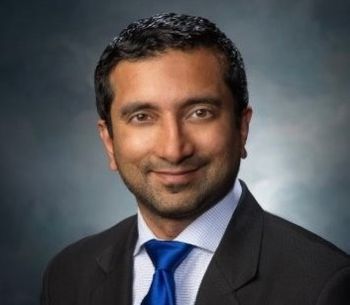
They’re concerned about uncertainty in federal policy, tariffs, and the economy at large, according to a new Deloitte report. Dr. Jay Bhatt of Deloitte talks about the new report.
A closer look at patient experiences and preferences shows a growing preference for virtual specialty care, along with more access to higher quality providers.

Most hospitals and health systems are still struggling to find the cybersecurity budget and staffing to succeed.

Sentara Health set out several key principles for the use of AI in the Virginia-based system. The guidelines emphasize safety, privacy and transparency.

The health technology conference in October will be spotlighting artificial intelligence. Rich Scarfo, president of HLTH, says the focus reflects the growing importance of AI in the industry.

The Trusted Exchange Framework and Common Agreement went live in 2023, and while full interoperability hasn’t happened, some see important gains.

With little federal activity on AI in the industry, some states are moving forward on issues such as transparency and consumer protection, analysts say.
Advertisement
Advertisement