
































How the 2 titans plan to promote precision medicine.
How the 2 titans plan to promote precision medicine.

The initiative is similar to the All of Us program being run by the National Institutes of Health in the United States

A new study tackles 3 vexing questions: Do humans have genes that enable regeneration, could they be used to fight cancer, and can AI find them?

Caltech researchers continue to refine the microscopic device, whose potential continues to grow.

The majority of the new funding comes from Chinese genomics giant iCarbonX.
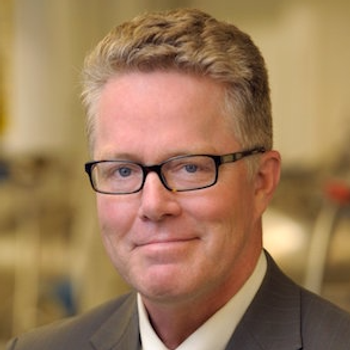
How Michael Christman, PhD, left his mark on genomics and so much more.
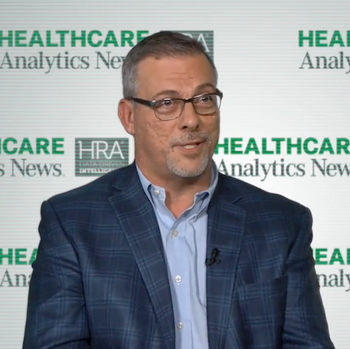
John Giannouris knows that the pharmaceutical industry is changing.

Why the cutting-edge analytics firm is joining forces with Baptist Health South Florida's year-old cancer center.

Big data isn’t a buzzword. Here’s how it’s changing healthcare.
By mirroring nature, “sexual evolutionary synthesis” AI proved just as accurate but more efficient than its asexual counterpart.
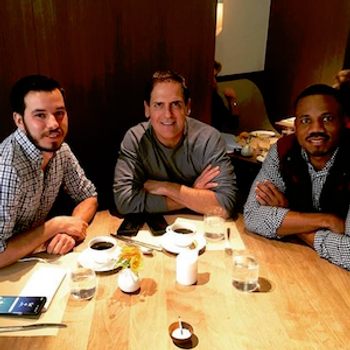
How a genetic data company jumped from “Shark Tank” and into groundbreaking research projects.

The experts have weighed in. These are the healthtech companies that won 2017.
Hype, reality, mental health diagnoses, ethical concerns, and more.

Artificial intelligence was more likely than humans to advocate for electronic cigarette use, a new study found.
The 2 technologies can be made harmonious, but only if proactively guided by human physicians.

Experts say it would improve EHR patient safety, costing $20 million in the first 5 years.

Machine learning can reduce the physical risks of manual labor—not by replacing humans but by teaching them to work smarter.

Activbody is donating 200 data-driven mobile health devices to children in New York.

The American Health Information Management Association's tips range from basics like encryption to concepts like a cybersecurity "State of the Union."
Because a fifth of all microbiology technologists will reach retirement by 2022, laboratories will need new tools to multiply their labor.


Investigators used 500K images to hone the game-changing technology.

In a groundbreaking study, researchers found that high-definition brain modeling, backed by machine learning technology, can beat out traditional models in evaluating potential therapies.

Through her national listening tour, Seema Verma has also found that regulatory burden is impeding care.

“We need to transform our clinics into research labs. We need high-value data from every single patient visit.”