

























The agency will give up to 25 small teams access to extensive federal, state, and local data. Winning teams will receive a $10,000 prize.
The agency will give up to 25 small teams access to extensive federal, state, and local data. Winning teams will receive a $10,000 prize.

The proposed Aetna takeover would put massive data and influence at its fingertips. It's just another step in CVS's long, deliberate march through healthcare.
The Pentagon is hoping to provide relief to soldiers with chronic depression or PTSD through the use of implantable electrodes.
“There's a wonderful opportunity for computational biologists and people with computer science backgrounds to have an impact on experimental immunology."
Genomic research, according to Miraldi, is a big data problem, and one that can continually offer insight and inspiration.

The health IT company won its second and third federal contracts of the year.

Even as analytics reshape the healthcare industry, a lot of data is left unusable because they aren’t recorded in a readable format. A new collaboration could change that.
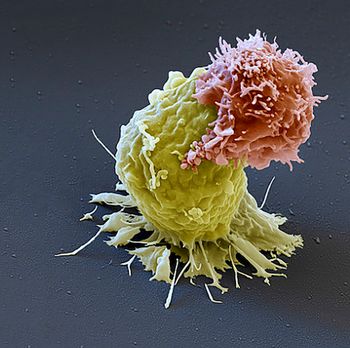
As therapies like Kymriah and Yescarta transform medicine, how can hospitals take advantage of analytics to improve processes and patient outcomes?
Why the health giant wants to alert customers in the doctor’s office and at the pharmacy.
To increase value, doctors need to de-adopt procedures that provide little of it. A new study found that they have ample room for improvement.

Several studies have used AI to detect mental health conditions from social media activity. Now, Facebook has announced it is implementing interventions.

As the importance of big data in healthcare grows, so too will the market for cloud computing services.
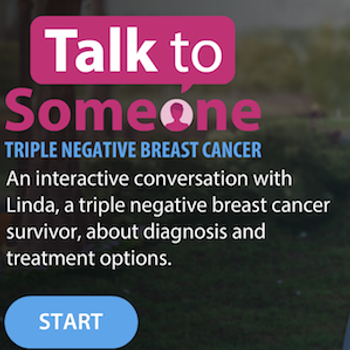
The CDC thinks artificial intelligence can persuade people with breast cancer to pursue chemotherapy.

As 2017 winds to a close, here’s a look back at a half-dozen particularly illuminating discussions about analytics, AI, the opioid crisis, and more.

The findings could prompt advances in precision medicine, researchers said.
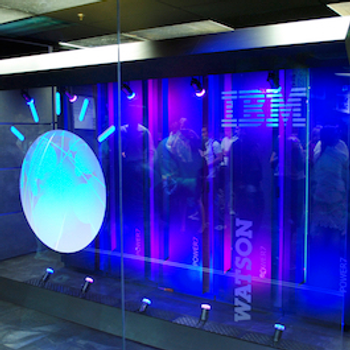
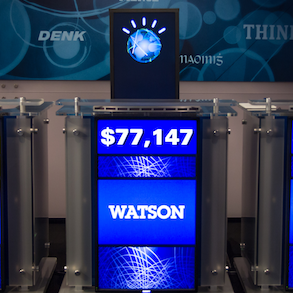
In 323 cases, IBM's artificial intelligence identified additional treatment options that a panel of experts overlooked.

Why a new model designed to tabulate localized influenza outbreaks faces significant hurdles.

The program, DrugPredict, searches through hundreds of thousands of chemical combinations and pairs them with diseases they might be able to fight.
The ambitious precision medicine initiative looks to sequence 1 million Americans to inform public health.

Researchers in Russia said they’ve trained a computer program to detect the emotions behind a speaker’s words. That technology could help physicians better diagnose patients.
The company is one of several tech players to win a Frost & Sullivan’s Best Practices Award.

People with cancer are consumers of healthcare. Should they not get customized treatment plans?

LeanTaaS banked on predictive analytics and machine learning in the financing round.
Four posters this week will tout its next-gen sequencing and analytical solutions.
“People could end up behaving in ways that they struggle to claim as their own.”