























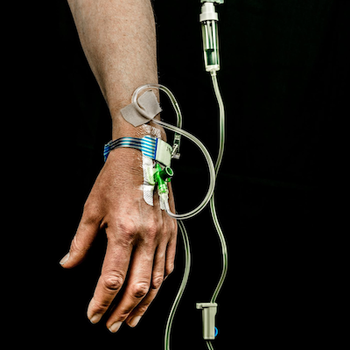
Patients who didn’t wean off opioids were more likely to obtain a prescription after discharge.

Patients who didn’t wean off opioids were more likely to obtain a prescription after discharge.

The country is committing billions into artificial intelligence research and plans to focus some of its efforts on earlier cancer detection.
From the $30B EMR market to physician burnout, these topics yielded great healthcare opinions and analyses.
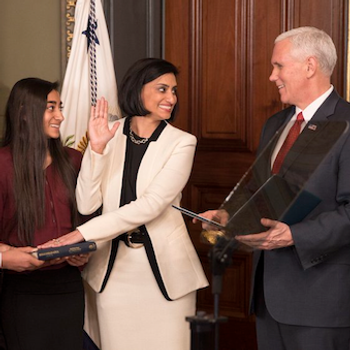
CMS Administrator Seema Verma, MPH, is working to further expand access to health data.

The EMR deal is done. What does it mean for medicine?
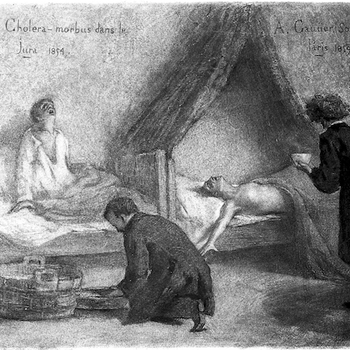
Scientists have used a machine-learning algorithm to pinpoint bacterial patterns in the gut microbiome that appear to predict susceptibility to cholera.

A new $6 million funding round led by Triventures could help the company in its efforts to democratize next-generation sequencing technology.
The researchers say the new study is the first to investigate aerobic system dynamics with machine learning and unsupervised wearable sensor use.
A new commentary from Nuffield Council on Bioethics raises issues of trust, agency, and autonomy.
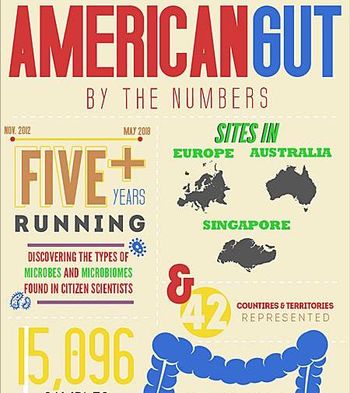
The American Gut Project has inspired more than 10,000 people to mail fecal samples to UC San Diego. That's a good thing.
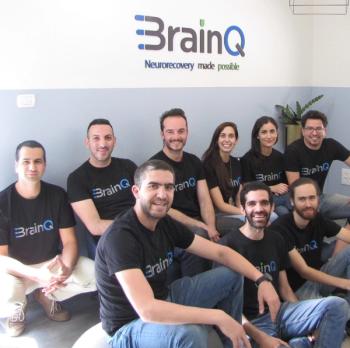
"The technology is clearly a disruptive and differentiated solution to a large and growing need in the neurorehabilitation market."
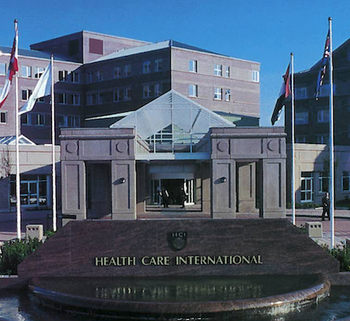
The "first paperless hospital" was supposed to change everything, but it went bust in mere months. What can healthcare learn from this story?

Uber, virtual reality, blockchain, and a whole lot of HLTH.
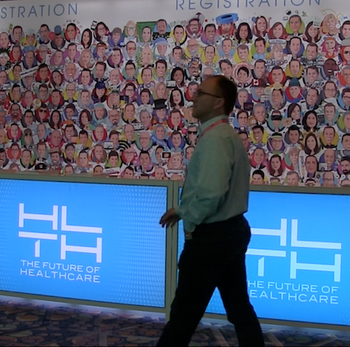
More than 3500 attendees joined a host of high-profile speakers for the audacious event.
How the competition, hosted by Booz Allen Hamilton and Kaggle, could change nuclei detection.

During an interview at HLTH, CEO Robin Smith said his company had no interest in deciding who else could see a consumer's genetic info.

How Intel and the Broad Institute of MIT and Harvard are trying to speed up genomic analyses.
Why the software could help health systems and patients better manage diabetes and cancer.

A national analytics structure is important for healthcare, but it requires 4 capabilities to succeed.

There's more patient data out there than ever, but big data can create big problems.

From big data’s role in solving coming healthcare problems to Comcast’s new partnership, these stories resonated with our readers.

Following a major cognitive event like a stroke, it’s key that patients do limb exercises that replicate daily tasks in order to regain physical competence

Why data could make the difference in providing effective, value-driven care in sub-Saharan Africa.
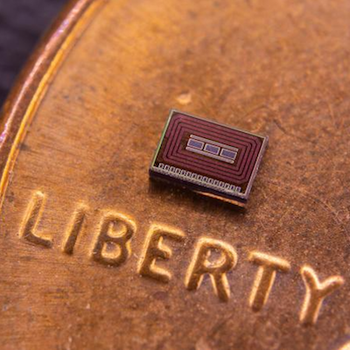
Can this data-driven chip transform addiction recovery?

At the ARVO meeting in Hawaii, Australian researchers presented impressive findings from a massive dataset.