

































Credentialing and identity verification are critical but troubled processes.
Credentialing and identity verification are critical but troubled processes.

Kevin Campbell, M.D., will lead a webinar on data, value and precision cardiovascular medicine.

Can business process outsourcing help healthcare emulate Amazon?

What does the Center for Biomedical Blockchain Research aim to accomplish?

The Taiwanese electronics manufacturer is putting healthcare at the forefront of its new manufacturing plant in Wisconsin.

Google’s sister company hopes to reach patients who don’t know they have sleep apnea.

The week’s most popular health IT news and opinions.
The agency created the role to support the goals of MyHealthEData.

Why a good questionnaire is about more than simply being digital.

The deal extends the use of AI to fuel precision oncology treatments.

How blockchain could monetize genomic, mobile health, and lab data.

The industry is pulled between red-hot hype and lukewarm implementation. Are we ready to bridge the gap?

The digital health revolution, Fitbit for cancer, and Mayo Clinic’s blockchain bet.

Preserving the art of nursing in a high-tech age.

Why manual benchmarking hurts patients and hospitals.

Cedars-Sinai and Johns Hopkins researchers performed the wearables study.
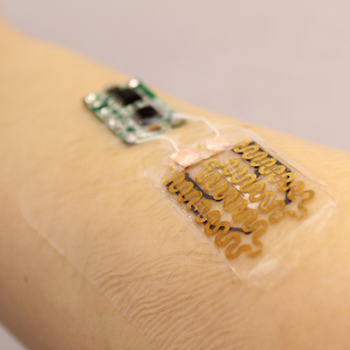
Why the microprocessor-driven tech could be a game changer.

Making AI transparent could head off public mistrust.
Two mHealth approvals provide a snapshot of the agency’s evolution.
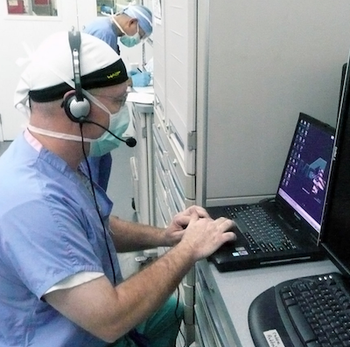
A new study found that manual editing is critical.

Virtual reality does more than improve medical education.

Why referential matching could prove beneficial to health systems.

Advanced tech continues to focus on the retina.

There’s no time like now for rural healthcare providers to consider ways to strengthen their practices.
Why the FDA might look favorably upon such efforts.