


























This week on Data Book, the first human killed by a robot and the murky question of AI and legal liability.
This week on Data Book, the first human killed by a robot and the murky question of AI and legal liability.
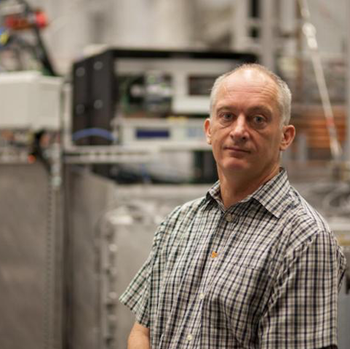
How sophisticated simulations brought researchers to a critical chemical.
Value-based care at the heart of new guidances, and, as usual, they came with Gottlieb tweets.
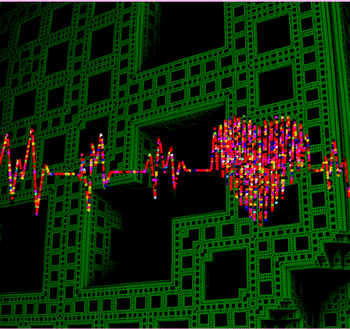
"It could lead to a whole new field of investigation in clinical and physiological sciences and reshape our understanding of human physiology."
The new partnership also calls for closer drug discovery collaboration between WuXi AppTec and Insilico Medicine.

European leaders are investing in AI in an effort to catch up with the US and Asia.
Head still spinning from the Apple API news? Can’t quite keep up with the latest in health-tech studies? HCA News is here for you.

How wearable devices (and the data they churn out) could revolutionize medicine.
The capture of the alleged Golden State Killer might lead to justice for his victims and families. But many question the ethics of the measures police used to identify and put him behind bars.

How the start-up hopes its software platform will transform R&D.

It led to “missed opportunities” during the ACA rollout and a key time in the opioid epidemic.
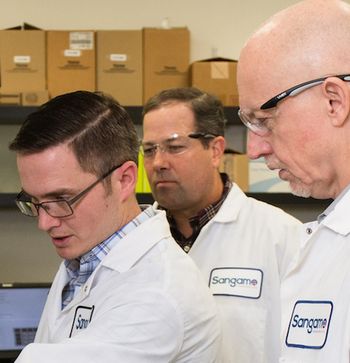
The burgeoning gen-editing giant will test its zinc finger nuclease (ZFN) editing technology against lysosomal storage disorders in children.

The company plans to have a fully functional version commercialized in just a few months.

Can’t-miss insights on physician suicide, genealogy database ethics, and more.
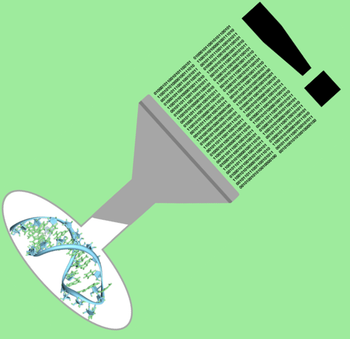
"An objective, precise, compact, unambiguous, easily-interpretable description of all loops, stems, and pseudoknots."

Additional major US-based healthcare systems are also expected to participate in the RenalytixAI collaboration.

What you need to know from another busy week in health IT.
The concept might someday aid in the creation of more lifelike prosthetics (or robots).
Why investors like the company’s high-tech approach to patient outcomes.
“When I came across recent reports on deep-learning algorithms...I immediately knew that we had to explore these artificial intelligence algorithms for diagnosing melanoma.”
The insights you need to advance medicine’s digital transformation.

What you need to know to succeed in health IT and beyond.
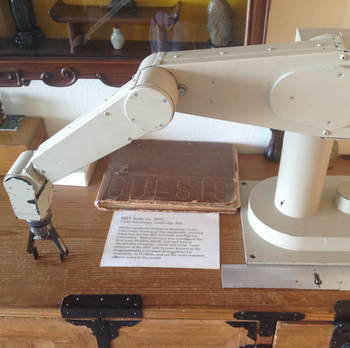
Artificial intelligence is a field of boom and busts. In this episode of Data Book, we look at what it actually is and what it means for healthcare. Featuring guest Kevin Campbell, MD.
The FDA has permitted marketing of an artificial intelligence-based algorithm for detection of fractures in the wrist.
"We demonstrated that we can use [EHR] data in combination with other tools to accurately identify people at high risk."