





























Virtual care, innovation versus implementation, and the new Apple Watch all carry big implications for healthcare.

Medical Scribes Can Cut Physician EHR Time and Boost Productivity, Satisfaction
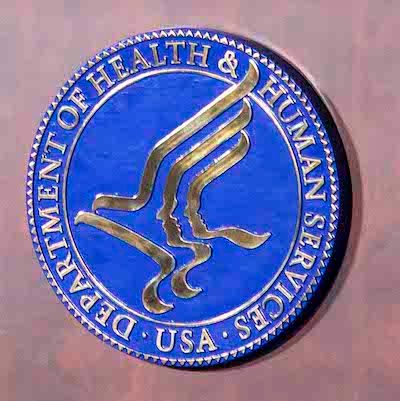
As HHS Strives to Improve Data Sharing, It Must Overcome 5 Obstacles
Virtual care, innovation versus implementation, and the new Apple Watch all carry big implications for healthcare.

It’s time to break down health information silos.

As Hurricane Florence strikes, HIEs are working to connect displaced patients to their medical records.

Author and entrepreneur Joshua Gans joins Data Book to pinpoint the healthcare pain points where AI is best suited to improve efficiencies and outcomes.

A group in Utah wants to improve social determinants of health in two cities — and then everywhere else.
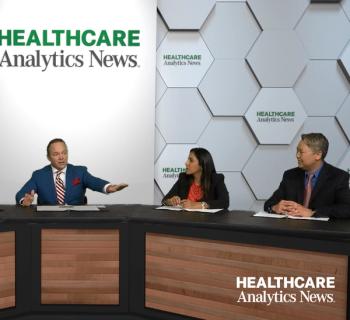
Disruption is a difficult game, especially for healthcare startups, whose innovative ideas are a dime a dozen, but whose implementation strategies are often murky at best.

On the flip side, current incentives are driving many of healthcare's worst behaviors.
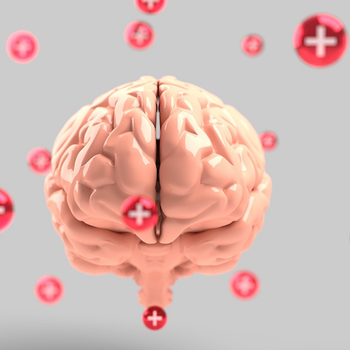
Data, access and money challenges face mental healthcare, but there is some promising new tech.

EHR customization and poor training can result in problems, causing experts to call for change.

As researchers use big data to improve health, they’re bumping up against the hard limits of a fragmented healthcare system.
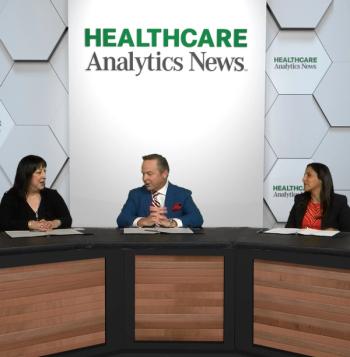
These days it seems like everyone has set their sights on disrupting healthcare. Who's really making news, and who's just making noise?

It’s all about insurance coverage and scientific rigor.
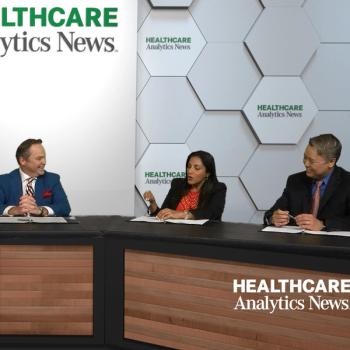
Will physicians always be the ultimate arbiters of patient care, or does their humanness leave aspects of their workflow better served by artificial intelligence?

Don’t let fear stop healthcare from evolving.

Data complexity is a serious problem that requires a serious solution.

Artificial intelligence, disruption and genetic data might all have huge consequences for your health system.
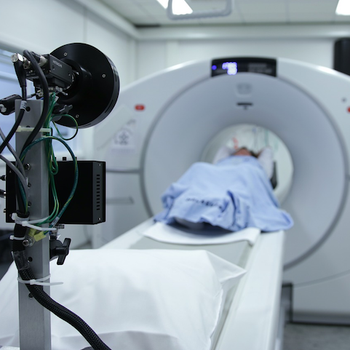
Can this Georgia Tech lab improve the economics of radiology and inform healthcare policy?

Despite it's long-term benefits, new tech inherently disrupts physicians' workflows. How can health execs overcome this cultural resistance?

How embedded pharma education can help drive improved medication adherence.
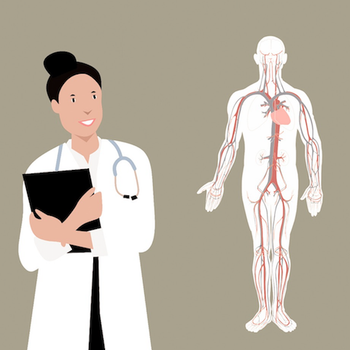
What’s impeding interoperability and hurting small healthcare orgs? And how can they overcome these challenges?
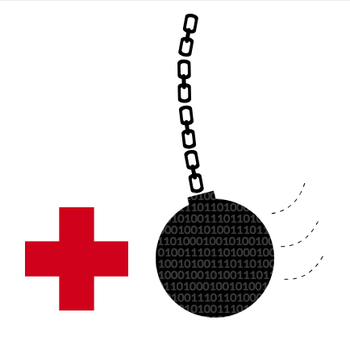
Disrupters like Google and Microsoft are a symptom of healthcare's inherent problems. But in this case, the symptom might be the cure.
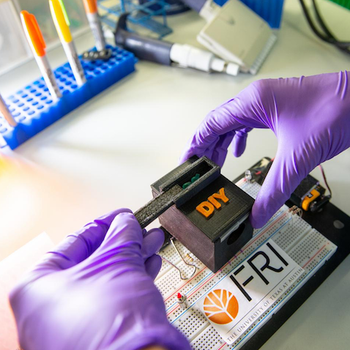
The diagnostic tool could improve public health efforts at a critical time.

The move has earned the genetic testing company praise and backlash. What can we make of it?

Real-time data suggest interns lost three hours of sleep per week.

Its data-driven push toward precision medicine is working. Why?