


































Systems with standardized EHRs had higher rates of advanced health IT adoption.
Systems with standardized EHRs had higher rates of advanced health IT adoption.

The partnership will give clients increased efficiency and diversity in the drug discovery process.
Health tech is changing rapidly, but barriers to innovation remain. Can this process help health systems?

Kick off Data Book’s third season with an update on AI and how Amazon, Apple and Google are tackling medicine in 2019.

Why this data scientist says healthcare must embrace AI.
Do real-time data and wellness represent a new path for 23andMe?

Does the first Monday of the year signal what to expect from health-tech investments going forward?

We’re working with the Sharp Index to publish thank-you notes to physicians as they navigate the digital transformation. Here’s the latest.

Will a new rule actually improve pricing transparency? Janae Sharp explores.

3 steps to determine whether your healthcare organization can leverage AI.

Can Propeller Health’s asthma monitoring tech be applied more broadly?
We’ve produced 26 episodes of our health-tech podcast. Here are the ones you love the most.

Customers with diabetes will gain access to a digital management platform, but the insurer says the arrangement isn’t about data aggregation.
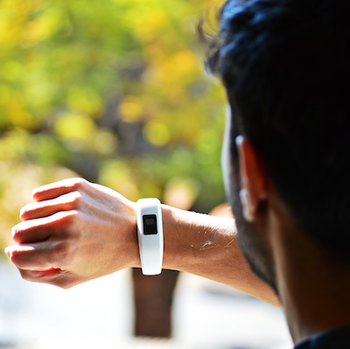
Despite evidence to the contrary, wearables like Fitbit not only boost physical activity but also spur tailored fitness plans.

Social media can help decrease depressive symptoms and increase mental-health awareness, but further testing could bring about greater uses.

Who is Amy Abernethy and what does her FDA appointment mean for health data?

What’s next for electronic medical records and health tech?

Patient data will be at the center of this five-year study, which aims to get to the bottom of asthma’s biological underpinnings.

Data Book explores the evolution of the hospital and hosts a KOL panel on data, wearables and the hospital of tomorrow.

Groundbreaking advances and eye-opening findings in healthcare and tech could reshape the industry and the world.
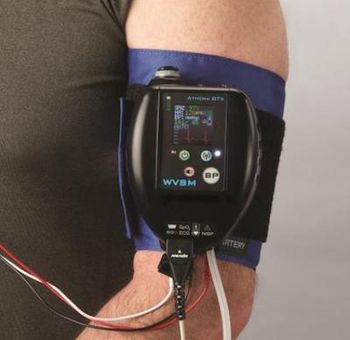
The U.S. Navy’s Office of Naval Research has developed a lightweight device to track patient vital signs in battlefields and other mass casualty situations.

A business case for system-level implementation of eConsult platforms across CHCs.

The FDA and other regulators must navigate changes brought by artificial intelligence and other tech while protecting intellectual property rights.
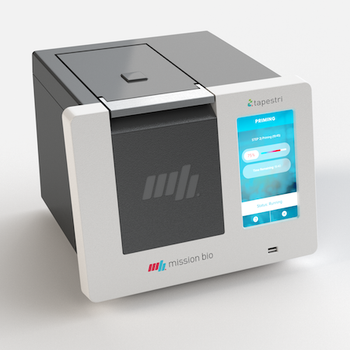
The company said it uses DNA sequencing technology to predict and prevent cancer relapse.
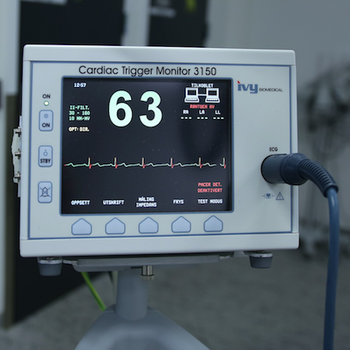
What medical device flaws mean for healthcare organizations.