



















The World Health Organization has several recommendations for how countries can and should integrate digital tools into their health systems.
The World Health Organization has several recommendations for how countries can and should integrate digital tools into their health systems.

The machine learning model more accurately diagnosed children than parent-reported child symptoms.
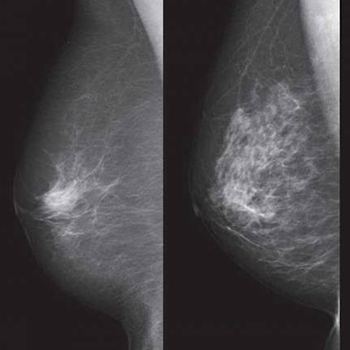
The model placed 31% of patients with future breast cancer in the top risk decile, versus the 18% seen with traditional models.

Two health-tech leaders examine potentially groundbreaking human and computing efforts to stop diagnostic errors.
Janae Sharp and community data organizer Andrea Downing discuss the leak’s implications for healthcare and patients.
The browser could give insight to participants and researchers about the data that are being collected.
The data brief reveals how non-acute federal care hospitals are using their EHR data.
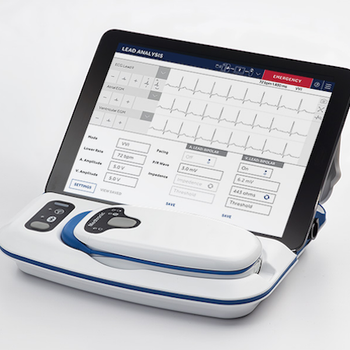
Physicians will be able to use an iPad to program and manage data from implanted cardiac devices.
Customized AI models trained on localized patient data can support health system growth.
Why Holon says the tech could mean big progress for interoperability.
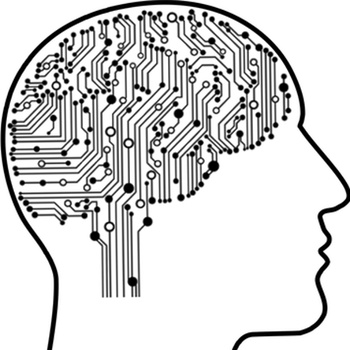
3 cases that highlight how Python & machine learning could optimize medicine.

Why better patient-provider matching requires better provider data.
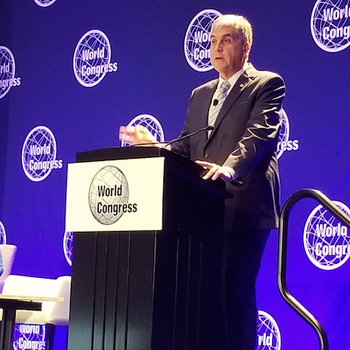
The agency has launched several initiatives that focus on amplifying the technology that empowers patients and improves outcomes.
The technology can do more than increase efficiencies in the hospital setting.
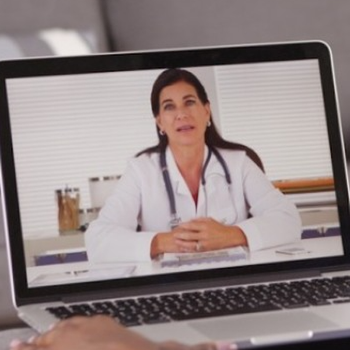
AI can save physicians time and aid them in being more efficient and better at their job.
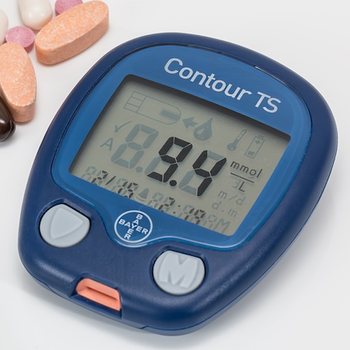
The algorithm predicted patients at high-risk of diabetes with 88% sensitivity.
How 4 different types of data improve population health management.

The FTC claims that Surescripts employed illegal anticompetitive restraints to maintain its monopoly over the routing and eligibility markets.
5 people who are advancing interoperability and improving patient outcomes.
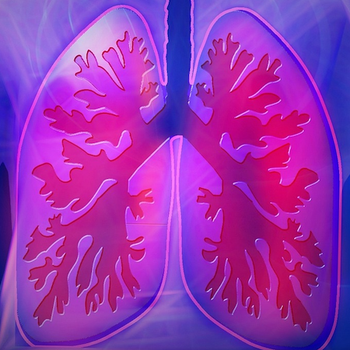
Using a deep learning model for lung cancer survival and outcome predictions can have potential clinical implications on adaptive and personalized therapy.

The machine learning technique is more accurate as the amount of training data grows.
Aetion will aid in the expansion of a program meant to test whether real-world evidence can be used to predict the outcomes of clinical trials.

Our current data privacy laws are not protecting individuals enough.

The increasing availability of EHRs allows researchers to compare results from trials to data from actual practice.
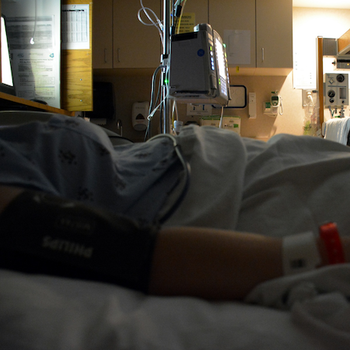
Patients don’t need to be woken for periodic vital sign checks, a new study finds.