The CEO of the Catholic Health Association talks about people slipping through the cracks with new work requirements and more frequent eligibility checks.
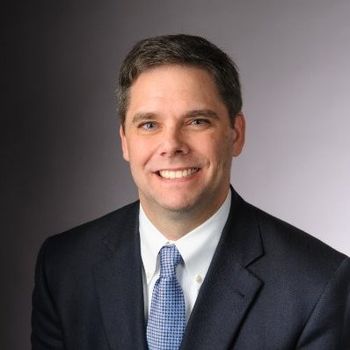
R. Shawn Martin, CEO of the American Academy of Family Physicians, talks with us about misinformation, changes in federal guidance and declines in vaccinations.
Family physicians are seeing more patients with hesitancy and misinformation about vaccines.
R. Shawn Martin, executive vice president and CEO of the American Academy of Family Physicians, says it’s been a growing problem in recent years. And he tells Chief Healthcare Executive® that it’s becoming a bigger challenge in light of recent changes in federal vaccine policy.
“We're getting more and more feedback that this is becoming more of an issue,” Martin says.
“It's frustrating, I think, to our members, but I think our members also understand that they're there to help patients live their healthiest lives, and those conversations have to take place,” he says. “And we get pretty good feedback that our members are continuing to engage in those conversations and helping patients make the right choices for them.”
(See part of our conversation in this video. The story continues below.)
‘This isn’t a hypothetical’
The American Academy of Family Physicians represents more than 128,000 doctors, residents and medical students. Martin says he’s concerned about the federal government’s shift in recommendations on vaccines, along with the drop in vaccinations that has been seen in recent years.
Read more:
He pointed to the measles outbreak in South Carolina. State officials said Tuesday that
Martin says the rising cases reflect the drop in vaccinations. A
“Look in South Carolina, and we can look around the country,” he says. “I mean, the reduction of the number of children getting measles vaccination, we can see what happens. And it's unfortunate for those individual children, but certainly for those communities that are dealing with these outbreaks.”
“I try to be reasoned and measured in my comments, but this isn't a hypothetical,” Martin says. “We see what happens when vaccination rates drop, and I worry that we'll see the return of largely eliminated, if not eradicated, infectious disease in populations in this country. And I think that should worry us.”
This week, the U.S. Department of Health & Human Services
The American Academy of Family Physicians has been working to help doctors deal with the growing questions and misinformation about vaccine safety.
Part of that conversation involves helping patients see the value in vaccinations for themselves and to protect others in their communities.
“I think what we focus on a lot is really making sure that our members are equipped and prepared to have those one-on-one conversations with patients and families in the exam room, to continue to advance the case for vaccinations as being good, not just for their health, but for the health of those they love and the communities they live in,” Martin says.
The group is trying to help guide doctors in talking with patients who have questions about vaccines.
“We're going to empower our members to have those conversations, and I just always encourage our members to enter those exam rooms with a lot of grace, and very little guilt, and engage patients in a continuum of conversations around what's best for them,” Martin says.
Read more:
‘There’s an opportunity’
Doctors also must recognize that even if patients don’t have good information on vaccines or questions about their safety, they still are coming to physicians. Parents are trying to do what’s best for their kids, and at least if they’re seeing a physician, doctors have a chance to make a difference.
“Every time they walk into the office or the exam room, that's an opportunity to help them better understand what's in the best interest for them and their health. Every time they say no,I think it's important that you create an opportunity for them to say yes in the future. And I think that's the way our members are approaching this,” Martin says.
Some patients are confrontational, which is unfortunate, he says. But he says patients tend to trust their family physicians, and more often are asking questions.
“I think our members are meeting that moment, and I think they're meeting it with a lot of compassion for helping patients work through the information they have, and dispelling misinformation and really giving them an opportunity to make a sound decision for what's best for them,” Martin says.
“And I think, ultimately, the trust the individuals across this country have in their family physicians and in their personal physicians, far outweighs the influence of any influence around social media, any elected official, any appointed political official,” he adds. “So I think if we could just keep our members focused on those ’1v1’ conversations, we will increase vaccine acceptance. And we’ll see improvement in public attitudes towards vaccines.”