A state panel signed off on a plan for Maimonides Health in Brooklyn to join NYC Health + Hospitals. Maimonides would get over $2 billion over five years.
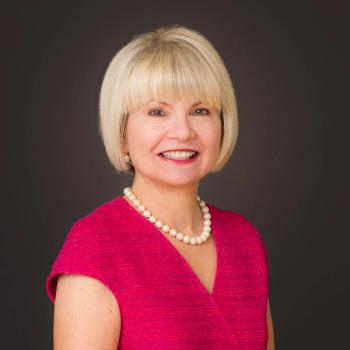
Maria Ghazal, president and CEO of the Healthcare Leadership Council, talks about taking the time to understand and building consensus.
Speed has become an increasingly valuable asset in the healthcare industry.
Maria Ghazal, president and CEO of the Healthcare Leadership Council, recognizes the need to act and move quickly.
But in
She also says listening doesn’t necessarily equate to slowing down.
“You know, I think you can act even faster if you listen more,” Ghazal says.
The Healthcare Leadership Council’s membership goes across the ecosystem, including hospitals, health systems, insurers, technology companies, and more. Ghazal has led the council since January 2024. She also spent nearly two decades in various leadership roles at the Business Roundtable.
Ghazal says listening is key in building consensus, especially in organizations with different viewpoints and priorities.
“I really think you need to do your homework and listen, really understand what your members' priorities are, and then you can push toward a consensus position,” Ghazal says.
“But listening first, you can't really underestimate it,” she continues. “There's a real temptation to try to move fast and to respond. We move in such a fast-paced world, and things are changing so quickly with technology. But listening and really taking the time to better understand, and doing that legwork, I think, is an important thing. And no matter how busy you get as the leader, it's important to take that time.”
Building consensus
Ghazal says there can be challenges in getting different members of the Healthcare Leadership Council to find consensus on certain issues.
But she says it’s important to go in with a fact-based approach on recommendations on health policies and legislation, while maintaining “your true north.”
“Here, it's about improving better outcomes for patients and how we can work together to do that,” she says. “There's plenty of opportunities to disagree, and we all know all the different things going on in healthcare. But finding a place where you are committed and you want to find a solution — then you go from there. And it's not about who's in charge, it's about making the best case to whoever's in charge, and having relationships on both sides of the aisle.”
Ghazal also says there’s value in showing policymakers when organizations with different interests have found consensus on certain issues.
“I think that's compelling,” she says.
Advice for women
When asked about offering insights for women looking to take on leadership roles, Ghazal stresses that women should believe in themselves and their ability.
“You have to be confident, you have to get the right mentors, do your homework,” she says.
But Ghazal also emphasizes that women don’t need to feel like they know it all and have done it all.
“You don't have to have all the answers,” Ghazal says. “You have to be really watching and asking the right questions, and figuring out how you can add value where you are.”
Women shouldn’t be shy about seeking mentors to help offer some guidance along the way.
“Go find your mentor,” she says. “My mentors have always been in healthcare, and they were bold, and were nice enough to give advice.”