
Finger-pointing is not stopping the erosion of financial sustainability of U.S. healthcare, according to the Healthcare Financial Management Association.
The panel says the next Congress should focus on the physician workforce, bringing in more international doctors, healthcare violence and mental health.
With many areas in America lacking doctors, healthcare leaders have been urging lawmakers to do more to strengthen the nation’s physician workforce.
The Chief Healthcare Executive® Election 2026 Roundtable discussed ways the next Congress can make it easier to train doctors and protect the health of physicians. They also talked about looking at bringing doctors from other countries in areas where there are shortages of physicians.
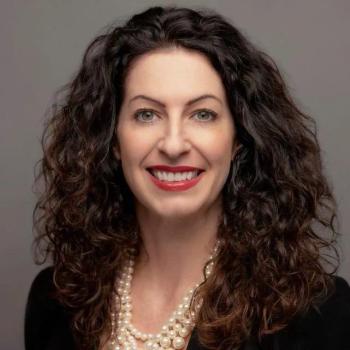
Our panel featured three experts with deep knowledge of federal policy.
Boosting primary care
Andrews said lawmakers should look at ways to encourage more physicians to pursue primary care. He said he saw potential for Congress to look at debt relief for those willing to pursue primary care, as opposed to more lucrative specialties.
“I think this is a key piece of this for primary care doctors find a way to relieve them of the burden of crushing medical school debt, so that you're not in a position where, if you are choosing to go into a lower paid category, which primary care is relative to ortho or brain surgery, that you're not jeopardizing your family's financial future,” Andrews said.
“This medical debt issue, you can't overstate how important this is,” he said. “It is a crushing burden for so many young men and women who are either choosing not to go into medicine, or choosing the highest paid specialty, whether that's what they really want to do or not.”
Turnipseed pointed to examining immigration laws to bring in more international physicians, particularly in areas where there is a shortage of physicians and residents face significant travel to see a doctor.
“Many of the physicians who serve in those rural communities do come from other areas, and they provide tremendous benefit to states that otherwise would not have providers in those communities,” Turnipseed said.
Andrews said that there could be support from Republicans and Democrats, if the efforts are positioned as addressing shortages of doctors.
“A lot of this comes down to how you brand something, and I'm optimistic this could be branded in the new Congress in a way that would make progress. If you call this open borders, free college, and more government spending, it doesn't work,” Andrews said.
But he added, “If this is branded as more doctors, more good doctors, for rural America, it works, and I think it could have broad support from both Republicans and Democrats.”
Protecting physicians
Kidder Hrobsky also pointed to hopes for support from lawmakers to address violence against healthcare workers.
“There is an inordinate amount of violence against healthcare workers from patients, from outside folks who just happen to come in,” she said.
“I think it is really important that we figure out a way to make certain that nurses and doctors and the people working in the cafeteria feel protected and know that they can do their job and provide the care without having to worry about someone hurting them,” she added.
The panel also discussed the importance of protecting physicians and nurses from burnout.
Kidder Hrobsky said it’s critical to “find ways for those that are in the current workforce to get the support and the help that they need so that they want to stay and not retire early.”
Turnipseed said that Congress can take up appropriations for the
The law provides “real tangible ways for healthcare providers to have the support so that they can perform and thrive in the profession that, frankly, they've given so much to,” Turnipseed said.
More insights
Check out the previous installments of our Election 2026 Roundtable.