
News|Videos|February 23, 2026
Rural health system hopes new federal program offers help | ViVE 2026
Author(s)Ron Southwick

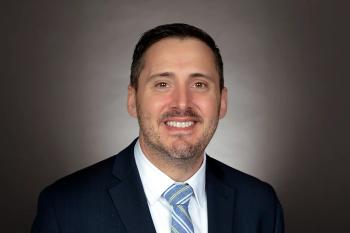
Gulshan Mehta of the Blanchard Valley Health System in Ohio talks about the new rural health transformation fund and the prospect of helping patients and staff.
Advertisement
Los Angeles - Virtually all health systems are facing challenges these days. Gulshan Mehta, chief digital and information officer of the Blanchard Valley Health System, says the problems of the rural independent hospital system in Ohio aren’t that much different from other hospitals.
But he says the rural system feels the challenges “a whole lot more acutely.”
Blanchard Valley operates two hospitals and other clinics in northwest Ohio. Mehta said the health system is welcoming assistance from the $50 billion Rural Health Transformation Program, which was launched last year. Mehta says the program could offer sorely needed help.
Mehta participated in a discussion on the challenges of rural hospitals at the ViVE conference. After the session, he spoke with Chief Healthcare Executive® about the new federal program, the potential to offer more access to care, easing burdens on staff, and using technology more effectively.
Q: So let's talk about the Rural Health Transformation fund, $50 billion for the next five years. What are some of the opportunities that you see with the fund?
A: “I think it's certainly necessary, considering some of the headwinds for us as a rural hospital, an independent rural hospital out here in Northwest Ohio.
“One of the key items that we are looking for from it is just better clarity in terms of care coordination and care management, for us to use technology more effectively in terms of taking care of the rural population that we take care of.
“Data and analytics-related work that would be associated with it as well, all driven through interoperability, through the technology solutions that are already in play. It would be ideal for us to be able to go out and deploy some of the funds to be able to benefit from that.”
“Workforce is another big item, and the workforce, being able to kind of view that a little bit more broadly. Not just from a recruiting perspective, but also in terms of retaining some of our existing clinicians, nurses, providers, therapists, what have you. And I think that would be ideal for us to be able to go out and benefit from deploying effective technology, to be able to work on, how do we reduce the administrative burden, for us to be able to retain some of the providers, some of the clinicians that are taking care of the patients in these rural communities. Just to be able to go out and make it easier and perhaps, try to combat some of the workforce-related shortages that we have because of burnout.”
Q: What are some of the headwinds that you're really facing as an independent rural health provider?
A: “Yeah, not a lot of little headwinds that are markedly different from the ones that healthcare in general faces. However, we feel it a whole lot more acutely. And one of those is just related to, you know, reimbursement-related pressures.
“We talk about it from some of the government payers being able to go out and have to not be able to keep up with the unit economics of health care in general. You know, the care that is provided, the cost of care in general compared to what the reimbursement that comes back, whether it's Medicare or Medicaid, that is one of those items that we struggle with.
“We have such little margins in general in order to go out and sustain operations and be able to be a viable part of such rural communities, that any changes associated with them, especially detrimental changes, would be highly impactful for us as an organization.
“And we look for ways to go out and keep the cost of care down, but at the same time better predictability in terms of regulations, to be able to go out and make the reimbursements work.”
Advertisement
Related Content
Advertisement






























Advertisement
Advertisement