

Millions of Americans have been affected by cyberattacks targeting hospitals and health companies in the first six months of the year. Ransomware attacks are getting more frequent, more costly and threaten patient safety.
Millions of Americans have been affected by cyberattacks targeting hospitals and health companies in the first six months of the year. Ransomware attacks are getting more frequent, more costly and threaten patient safety.
The measure would help Americans pay for health insurance and also lower some prescription drug costs. The House is expected to vote this week, sending it to President Biden.

More than 1,300 centers nationwide are getting grants to improve data reporting, which should also improve health equity, the Health and Human Services Department says.

Health systems are facing growing pressure to address climate change. A panel at the American Hospital Association Leadership Summit outlined strategies to move forward.

Half of the women faculty in some departments are harassed, according to a report from the Association of American Medical Colleges. Some don’t feel safe reporting harassment.

About a quarter of nurses say they have appropriate staffing, according to a new survey by the American Association of Critical-Care Nurses. Many nurses don’t feel safe.

The Supreme Court ruled last month that Medicare improperly cut the federal drug pricing program. Hospitals want the government to pay up.

If justices bar the consideration of race, the enrollment of students from minority groups will plunge, the Association of American Medical Colleges and other groups contend.

The Centers for Medicare and Medicaid Services dropped a plan to suppress some safety reporting after pressure from patient advocates. The Leapfrog Group cheered the move.

The federal government is going beyond the payment rate initially proposed in the spring, which drew sharp criticism. Hospitals welcome the move but say they could use more aid.

The timing is important, because the government has pledged to provide 60 days notice before ending the emergency. Health systems say waivers under the emergency have been critical to care for patients.

The Louisiana-based system adds Rush’s 7 hospitals and more than 30 clinics. The Rush system will now be known as Ochsner Rush Health.

It’s been an ‘extremely challenging year’ for hospitals, according to Kaufman Hall’s latest report. Health systems probably can’t expect a turnaround in the near future.

The e-commerce behemoth is buying the primary care provider, saying the health industry needs reinvention. Analysts say Amazon could succeed.

The Cleveland-based system was hailed for its commitment to excellence. Cliff Megerian, the system’s CEO, says the staff aims to deliver care with kindness and compassion.

The assistant U.S. secretary of health called on health systems to tackle climate change, saying it’ll improve health outcomes and can help hospitals lower their own costs.

Stevenson, the author of “Just Mercy” and inspiration of the film, has spent his adult life representing the disadvantaged in the criminal legal system. He urged hospital leaders to fight to end disparities in healthcare.

Ford, the former congressman, and Jennings, a former aide to President George W. Bush, discussed big issues, President Biden's struggles and the likely rematch with Donald Trump.

The group, which represents more than 4 million nurses, issued a statement of reconciliation and acknowledged it has failed to support nurses of color.
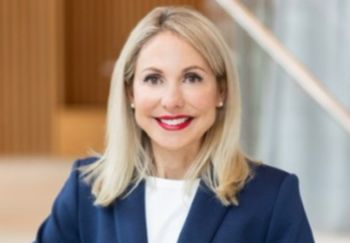
The organization named Heather O’Sullivan as the system’s first president of home-based care. A key leader says “the future of healthcare is in the home.”

The number of transactions in the second quarter was the lowest in years, Kaufman Hall reports. But the small number of deals involved some big players.

President Biden’s administration sent a letter to America’s 60,000 retail pharmacies to ensure Americans have access to reproductive healthcare.

Secretary Xavier Becerra told providers federal law supersedes state laws restricting abortion. Providers that don't follow the law could lose federal funds.

Deepa Kumaraiah spoke with Chief Healthcare Executive about using data to provide better care, new approaches from the COVID-19 pandemic, and caring for staff.

The organizations make a case for combining physical and behavioral health, but they say policymakers and insurers must step up to make it a reality.

NIH researchers said the body’s own defenses, triggered by the virus, are attacking cells within the brain’s blood vessels. The insight could have implications for treating patients.

In other news, UF Health selects a chief diversity officer, the University of Alabama at Birmingham appoints interim leaders, and others take new roles.

The FDA has given authorization, with some limitations. The American Medical Association says only doctors should be prescribing the drug used to treat COVID-19 patients.

The Rhode Island system said it weighed other options. While Care New England is looking for partnerships, the board voted to continue operating independently.

The Federal Bureau of Investigation and other agencies issued a warning Wednesday to public health organizations. Health systems are urged to take steps to protect patient data.