
The number of exposed individuals is unclear. But the cybersecurity firm that found the flaw says it could be millions.
The number of exposed individuals is unclear. But the cybersecurity firm that found the flaw says it could be millions.
DNA tests may be selling well in advance of the holidays. This week Senator Chuck Schumer cautioned about how they may use consumer genetic info.
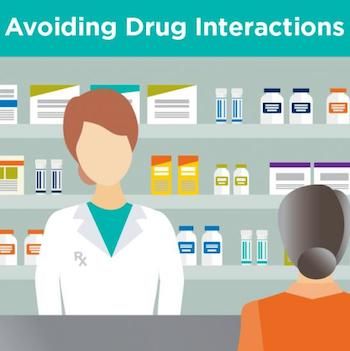
Only a third of Americans over the age of 50 reported speaking to anyone about possible prescription interactions in the past 2 years.
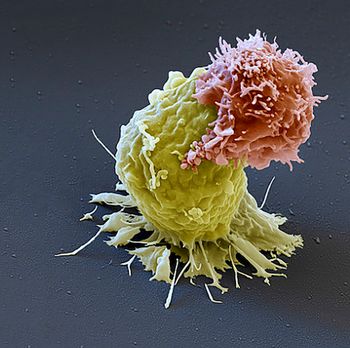
As therapies like Kymriah and Yescarta transform medicine, how can hospitals take advantage of analytics to improve processes and patient outcomes?

Dozens of Indiana hospitals implicated in new class action suit alleging CMS reimbursement fraud.
Why the health giant wants to alert customers in the doctor’s office and at the pharmacy.
To increase value, doctors need to de-adopt procedures that provide little of it. A new study found that they have ample room for improvement.

Several studies have used AI to detect mental health conditions from social media activity. Now, Facebook has announced it is implementing interventions.
Doctors from New York Presbyterian make the case for the “medical virtualist.”

As the importance of big data in healthcare grows, so too will the market for cloud computing services.
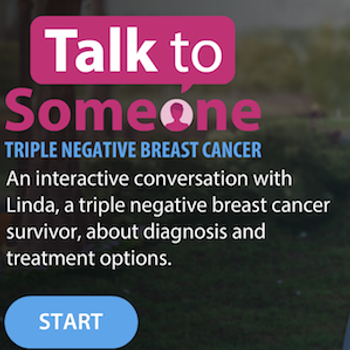
The CDC thinks artificial intelligence can persuade people with breast cancer to pursue chemotherapy.
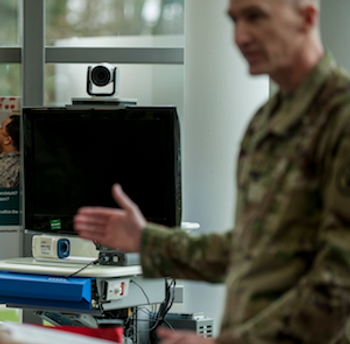
The medical device company struck a new contract with the VA.
Teladoc made the second-largest gains on the New York Stock Exchange last week.
Some companies court the comparison, while some have it foisted upon them.

A pharma executive launched a “cash-out” site to reap ad dollars from companies targeting high-value physicians. How can healthcare protect itself?

The tech can help with liability issues, but it is rife with patient privacy landmines.

As 2017 winds to a close, here’s a look back at a half-dozen particularly illuminating discussions about analytics, AI, the opioid crisis, and more.

What can hospitals learn from recent crises that have filled emergency rooms across the country?

Several developments from 2017 promise to change, and hopefully improve, healthcare for veterans. Here are the top 4.

“We’re looking at it with a lot of excitement, not a lot of fear and dread."

Researchers from the University of North Texas found that a game may work better than waiting around for healthcare to get less confusing.

The move will also benefit the technology, since Constant Therapy is dependent on user data to continually shape its therapies.

The findings could prompt advances in precision medicine, researchers said.
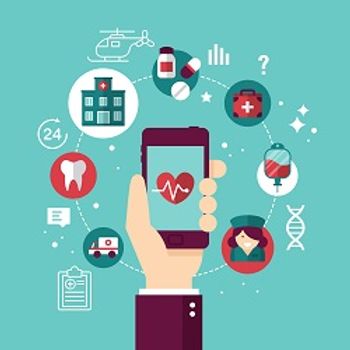
Users consider digital patient portals very useful for helping family members manage their care. A new study argues that access sharing should be encouraged.
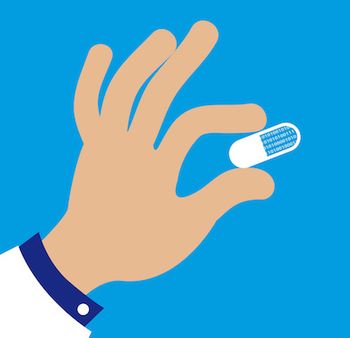
Understanding how patients use opioids could be key to understanding the opioid crisis. Researchers have a new tool for tracking the pills.

In 323 cases, IBM's artificial intelligence identified additional treatment options that a panel of experts overlooked.

They also increase users’ motivation to eat healthy and exercise, according to 3 studies.

Nobody wants "cookbook medicine." Via Oncology CEO Kathleen Lokay explained why treatment pathways aren't that.

Why a new model designed to tabulate localized influenza outbreaks faces significant hurdles.

The program, DrugPredict, searches through hundreds of thousands of chemical combinations and pairs them with diseases they might be able to fight.