

OU Health hires a chief human resources officer, the Commonwealth Fund names a new president, and other leaders embrace new roles.
OU Health hires a chief human resources officer, the Commonwealth Fund names a new president, and other leaders embrace new roles.

In a town hall, Monica Bertagnolli said she has breast cancer. She said her prognosis is good and she will remain in her post.

Researchers at Penn State examined the impact of rural hospital closures on other nearby hospitals.

More women, Black and Hispanic students applied and enrolled, the Association of American Medical Colleges says. Medical schools are aiming to attract more students from disadvantaged groups.

The system aims to expand options at its children's hospital and provide more care for kids in their communities. Katy Welkie and David Flood of Intermountain talked with Chief Healthcare Executive about the effort.

It’s being called the biggest acquisition in the healthcare sector of 2022. Amgen touted the chance to expand its portfolio to include more drugs treating rare diseases.
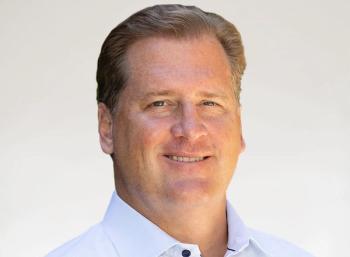
In an interview with Chief Healthcare Executive, he talked about the SingleCare prescriptions savings service, the company’s work with pharmacy benefits programs, and plans for 2023.

Hospitals are filled with patients with respiratory illnesses, and flu hospitalizations are the highest in more than a decade. Now, more people are being treated in hospitals for COVID-19.

The American Medical Association and groups from every state said the cuts will add to the financial hardships clinicians are facing.

Henry Ford Health names a new hospital president, Stanford Health hires a chief quality officer, and other leaders take new roles.

Health systems will struggle with higher costs, though there is room for optimism. Kevin Holloran of Fitch spoke with Chief Healthcare Executive about the challenges in the year ahead.

The American Medical Association has filed a brief in a case before the Wisconsin Supreme Court. At issue: whether a hospital should be required to use ivermectin, even as leading health experts advise against it.

Researchers found women were less likely to be prescribed drugs to lower cholesterol. Physicians must understand women don’t face a lower risk of heart disease, researchers say.

The health systems and the Minnesota Nurses Association said they have a tentative agreement. Here’s a look at the key components of the deal.

The system said the breach involved patient data from Virginia Mason Franciscan Health, an affiliate of CommonSpirit.

Health systems announced the agreements, which still need ratification from union membership. About 15,000 nurses were poised to go on strike beginning Sunday.

Nurses are planning to walkout beginning Dec. 11, and most plan to be on strike for about three weeks. Hospitals, packed with patients with RSV and other illnesses, say the strike comes at a particularly difficult time.

The systems say they have now formally merged to create Advocate Health, forming one of America’s largest hospital systems. Analysts have said it could pave the way for more consolidations.

Making good on a threat to take legal action, Akram Boutros said his termination was improper. The board said Boutros was ousted for paying himself $1.9 million in bonuses without board approval.

Around the country, children’s hospitals are at or above capacity due to high numbers of patients with respiratory viruses.

Nearly one in 10 hospitals are in danger of closing their doors, the Texas Hospital Association says. Rural hospitals are at the greatest risk, but some urban hospitals could be forced to cut services.

With more nurses leaving bedside roles, health systems need to find ways to retain skilled and experienced professionals.
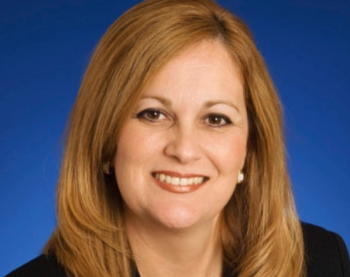
Maria Cristina Jimenez was hailed for her leadership skills. Police said her husband fatally shot her and then took his own life.

The two created fake purchase orders and then billed the Dallas VA Medical Center. They entered guilty pleas in federal court and could spend a decade in prison.

Groups representing doctors and hospitals say they support the spirit of the law, but a process to resolve billing disputes is tilted in favor of insurers.

ECU Health hires its first chief nursing executive, HCA Gulf Coast appoints a new vice president, and the head of Pennsylvania's hospital association is retiring.

The California-based system says it has an agreement to sell two Chicago-area hospitals to Resilience Healthcare and Ramco Healthcare Holdings.
Dr. Akram Boutros gave himself bonuses over four years without disclosing the payments, the MetroHealth board said. An attorney for Boutros says the firing is retaliatory after he planned to expose misconduct by the board.
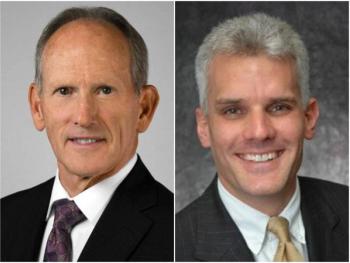
Excela Health and Butler Health System reached an agreement to create an organization with five hospitals. They hope to gain regulatory approval by the year’s end.

More than three quarters of the nation’s pediatric hospital beds are filled. The head of the Children’s Hospital Association said the system is being stretched to the limit.