
Highmark Inc. wants to leverage claims data to identify and intervene with patients at risk of opioid dependence.
Highmark Inc. wants to leverage claims data to identify and intervene with patients at risk of opioid dependence.
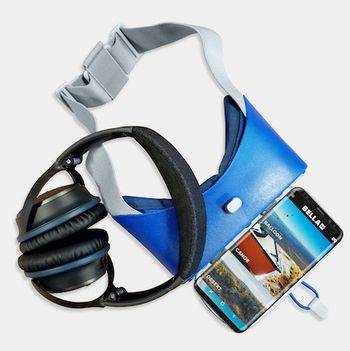
The newly-announced Bella system uses gaze-based VR, which allows patients to ditch the controller and simply look around.

Patients, physicians, regulators, manufacturers, and professional societies must make informed decisions based on new threats.
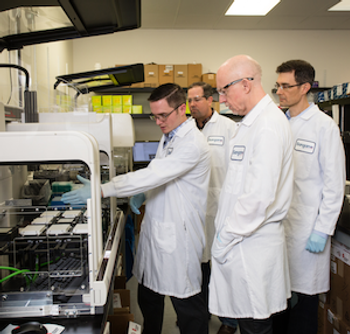
The story broke just a day after we published a sweeping feature on Sangamo’s fledgling gene-editing empire.

The move is meant to encourage publically-traded companies—like some healthcare services companies that were recently hit—to be more transparent about breaches and vulnerabilities.
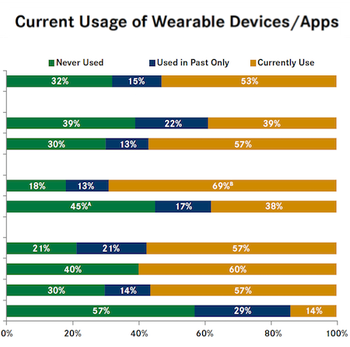
Exclusive research from HRA® shows that patients are increasingly familiar with wearable technology, though somewhat concerned about costs and privacy implications.
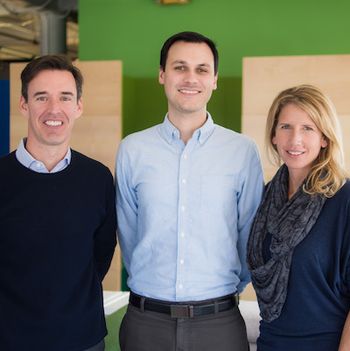
The physician social network now has a wealth of capabilities—and responsibilities—its founders never could've imagined.
The cash injection is the largest investment round to date for rising oncology analytics firm.
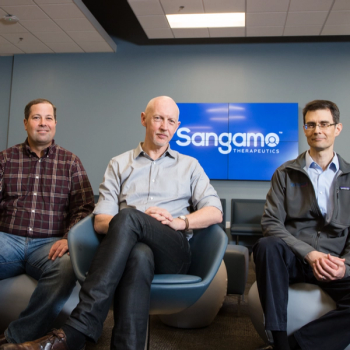
Sangamo’s ever-evolving zinc finger technology could catapult precision medicine. So why haven’t you heard about it?
Data analytics in healthcare requires a significant investment, and the right decision can make or break your bottom line.

Lessons that healthcare can take from the streaming video juggernaut as it tries to personalize care for every patient.

Meanwhile, Horizon Blue Cross Blue Shield of New Jersey settled another data breach case for $1 million.

Many of those programs found to have “significant methodological weaknesses and gaps in results."

The sting yielded more than 20,000 attacks, underscoring why all healthcare organizations must take cybersecurity—and their cyber defenses—seriously.
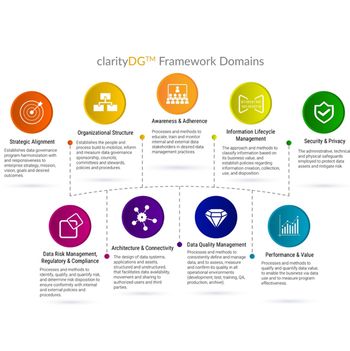
“Don’t be afraid to learn about the discipline of data governance. The great news is, you’re probably already doing some of this."

Why the technology is empowering researchers to analyze once-impenetrable data sets.
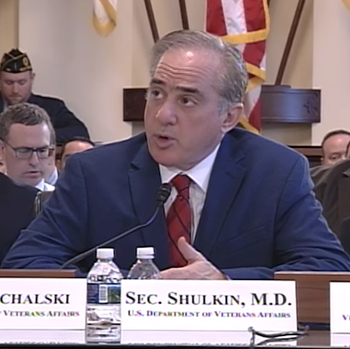
The contract with Cerner is again expected to be finalized soon, but the agency head stressed the complexity of the project.
It’s no secret that big data can combat the problem. Here’s an inside look at what experts are actually doing.

The pharma giant likes the start-up's EHR and real-world evidence technologies and its big network of oncology providers.

The company's founders say they want to make a world where "cancer is managed just like the common cold” and "100 years old is the new 60.”

A leader at the Blockchain Research Institute details how the technology could transform medicine, from information sharing to patient outcomes.

Researchers thought the tech-driven experiment could get Medicaid patients to the doctor. Why didn’t it work?

It will not be dependent on smartphone connection for cellular coverage.

Privacy and security extend beyond HIPAA. Here’s what healthcare leaders must know about training staff for ransomware, phishing, and more.

In the healthcare and health tech industries, companies are constantly jockeying to add the sharpest talent.

Nearly 9 months after it was announced, the deal has not been finalized. Some lawmakers are expressing frustration.

She thought she was attending the blockchain event as an equal, but her colleagues saw things differently.

Today's decision does more than just allow Viz.AI Contact to be marketed: It sets a standard for future software of its kind.

"I think we are much closer to real, practical medical applications of the technology."
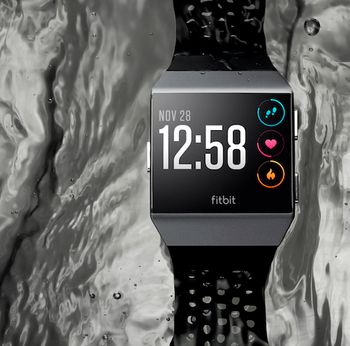
Evolution might be important for Fitbit as the market for wearable devices becomes more complicated.