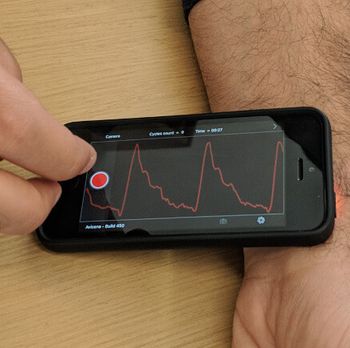
With machine learning, USC researchers correlated measurements taken nonintrusively by an iPhone camera to detailed tonometry data.
With machine learning, USC researchers correlated measurements taken nonintrusively by an iPhone camera to detailed tonometry data.

The firmware update is now available to patients, who might face a greater risk of harm if they don’t act.

The ABIM Foundation’s initiative to cut healthcare waste has compiled hundreds of suggestions. Getting doctors on board will be a different story.

Researchers analyzed language used in the subreddit r/depression to gauge the community’s long-term effects and the readability of user posts.

How the diagnostic tool stands to benefit patients with prostate cancer.

There isn't too much information out there about Vicarious Surgical, but Gates, Khosla, Benioff, and Yang seem to think it's a good idea.
The vast majority of incidents involved the program being billed for a telehealth encounter that did not originate in a rural location.

Key opinion leaders influence important decisions in healthcare, but perhaps too little attention has been given to the ethics of this situation.

Nearly everyone extols the need to bust data silos. Meet the man who’s doing it.
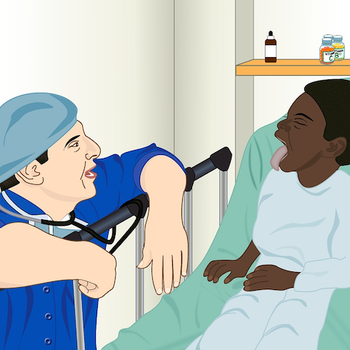
Patients and physicians are excited about digital health, but an expert said both sides must trust each other.

The company's admission joins a spate of recent, high-profile breaches involving thousands of patients' information.

How these issues will be examined during a new Texas Hospital Association conference.

The publically-accessible repository, built alongside Microsoft and DNAnexus, is meant to spur research and collaboration to fight pediatric cancer.

ODH will provide the healthcare expertise. Princeton will supply the “math power.” Those are Adam Johnson’s words, not ours.

How the Virginia health system is strengthening security protocols. Others might want to take notice.
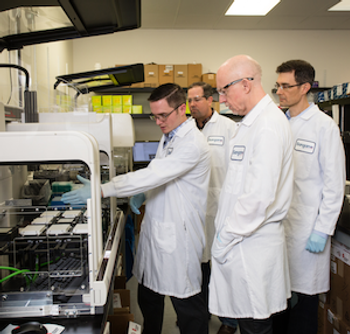
Sangamo’s innovations recently earned it $3 billion. Why? But first, the CRISPR origin story.
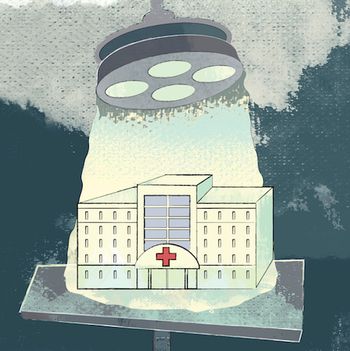
Neighborhoods nationwide are facing new shocks ranging from spiking suicide rates to surging populations. Health systems can manage these swings with high-tech tools.

Philadelphia, Pennsylvania, and Johnstown, Pennsylvania, have unique and complex demographic situations that can complicate healthcare.

"Promoting and protecting public health requires FDA to adopt policies to ensure regulation serves as bridge to innovation, not a barrier to it," he tweeted.

The pharmacy chain is integrating pharmacist- and provider-facing tools to help them recommend cheaper alternatives.

With members like Pfizer and USC Keck School of Medicine, TriNetX aims to improve how healthcare handles research data.

The system, granted expedited review by the agency in February, can now be used by primary care doctors.

As the era of value-based care begins, the start-up is targeting biopharma and insurers.
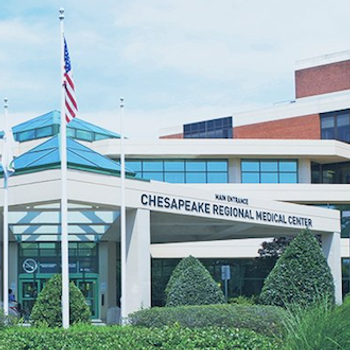
The Chesapeake Regional Healthcare data breach emphasizes the wide-ranging threat to patients’ medical records.

The United States Coast Guard will finally be digitizing its health records.
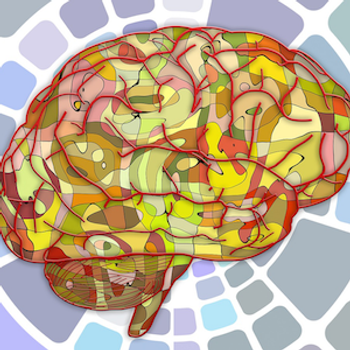
How the artificial intelligence behind AUTOMAP yielded higher-quality images of the brain.
A team of students at Rice University developed an app that uses visual cues to mitigate that vexing symptom.

The pair want to combine their chemistry and machine learning platforms to find targets for neuromuscular disease treatments.

Why the French answer to Oscar Health is attracting international attention.

Artificial intelligence is infiltrating many institutions. Here’s how governments can handle the technology without burning the public.