
Social mapping technology and public health data help the group choose which nonprofits to fund.
Social mapping technology and public health data help the group choose which nonprofits to fund.
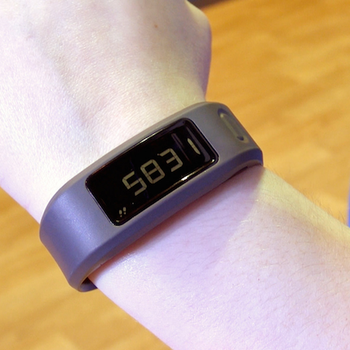
Why Garmin and Fitabase want to make it easier for scientists to access wearables data.

More than half of data breaches in healthcare systems are due to internal mistakes or neglect, according to a new study.

In a new study, AI performed significantly worse at diagnosing pneumonia in X-ray images in different health systems.
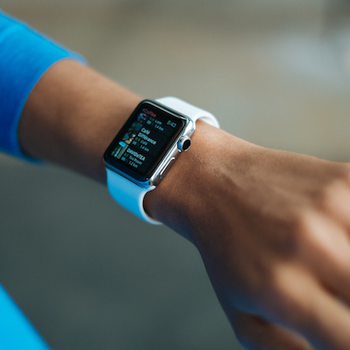
A health information and privacy expert offers insights into HIPAA compliance, wearables and voice assistants.
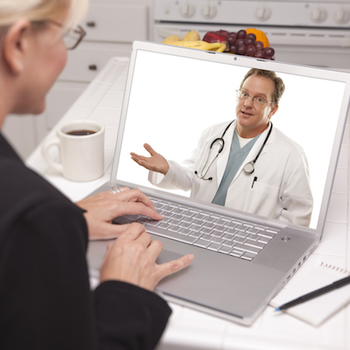
4 reasons to be hopeful for the future of virtual care.

Do modern health systems have the know-how and tools to develop their own EHR systems?

Patients in rural communities could benefit most from greater healthcare access. But challenges remain.
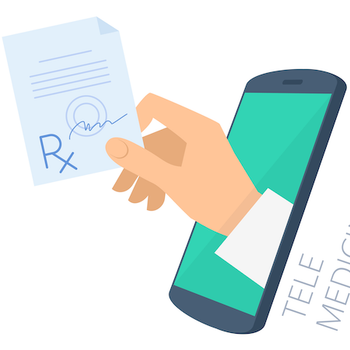
Telehealth innovations are meant to cradle innovation and strengthen Medicare, CMS Administrator Seema Verma, M.P.H., said.
Biometric technology will play a major role in the future of patient identification. But only with referential matching technology can health systems realize the full benefits.

Physician burnout and suicide are major issues in the healthcare industry. But how does technology play a part in these trends, and what can technology do to decrease them?

LeanTaaS, a high-tech health scheduling company, has created software that has reduced patient wait times and improved operational performance.
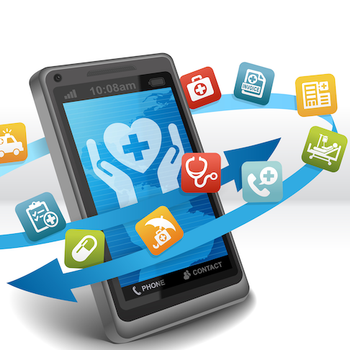
The power of mHealth solutions remains in question, a new study finds.

The data breach exposed the information of nearly 20,000 additional people, revised figures show.

The new owners plan to merge athenahealth and Virence Health to create a “leading” health IT company.

A new study suggests that an mHealth app for mental health counseling is as effective as in-person therapy.

The portable reader enables the test to deliver diagnostic results where patients are, leveraging data to jumpstart care in Ebola-stricken areas.

Healthcare can learn from the creation of the government’s national coordinator for health IT. Featuring Duke professor and attorney Barak Richman, Ph.D., J.D.

Janae Sharp talks to four experts about which steps healthcare leaders can take to fight physician burnout.
But a new study finds that wearables, data and analytics require a “fundamental rethinking” of health management.

A doctor explains why healthcare leaders must focus on improving the outpatient experience.

The digital tool is designed to enhance patient data gathering, drug development and safety monitoring.

In its third-quarter earnings announcement, CVS Health said it has secured most of the necessary state insurance department approvals.

5 strategies to help healthcare executives succeed in the digital transformation
Health-tech KOL Janae Sharp talks to experts about the telemedicine metrics problem and possible solutions.

Physicians, healthcare executives and researchers must work to strengthen data transparency and improve patient outcomes.

What do IBM, 23andMe and health-tech trends tell us about medicine’s evolution?
The company uses data, analytics and digital health to advance precision medicine and optimize costs.

The regulator issued a warning to providers and patients just one day after approving a 23andMe direct-to-consumer test regarding medication metabolism.

AI, big data and blockchain technology are just a few of the innovations that healthcare leaders must begin to leverage.