
The company hopes to accomplish this through a real-time care guidance platform.
The company hopes to accomplish this through a real-time care guidance platform.

Data, access and money challenges face mental healthcare, but there is some promising new tech.

EHR customization and poor training can result in problems, causing experts to call for change.

As researchers use big data to improve health, they’re bumping up against the hard limits of a fragmented healthcare system.

This is the startup’s latest step into the care continuum.

It’s all about insurance coverage and scientific rigor.

Healthcare is a major hacking target. Get ready before things get messy.

Don’t let fear stop healthcare from evolving.

Data complexity is a serious problem that requires a serious solution.

Artificial intelligence, disruption and genetic data might all have huge consequences for your health system.
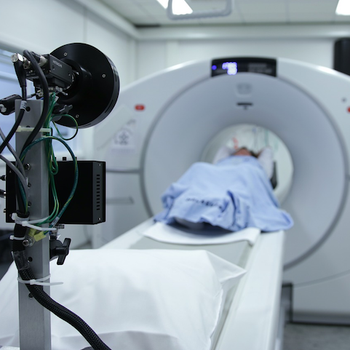
Can this Georgia Tech lab improve the economics of radiology and inform healthcare policy?

How embedded pharma education can help drive improved medication adherence.
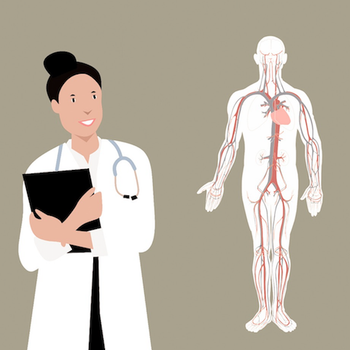
What’s impeding interoperability and hurting small healthcare orgs? And how can they overcome these challenges?
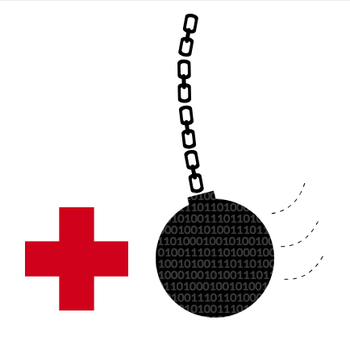
Disrupters like Google and Microsoft are a symptom of healthcare's inherent problems. But in this case, the symptom might be the cure.
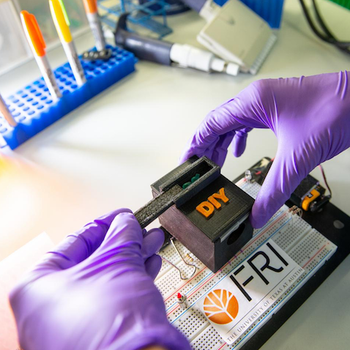
The diagnostic tool could improve public health efforts at a critical time.

The move has earned the genetic testing company praise and backlash. What can we make of it?

Real-time data suggest interns lost three hours of sleep per week.

How new models can help healthcare in a moment of crisis.

Its data-driven push toward precision medicine is working. Why?

IDx’s tech brings diabetic retinopathy detection to primary care.

Phishing causes some of healthcare’s worst data breaches.

But the healthcare organizations applaud cutting documentation requirements.

Digital solutions can’t solve this problem without some help from humanity.

Verscend Technologies today completed its purchase of Cotiviti Holdings.
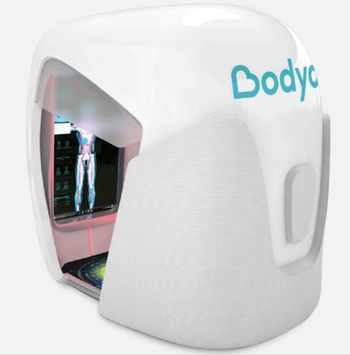
AiPods enable users to obtain a wide array of personal health data in less than 10 minutes.
Strokes cost an estimated $34 billion in the US every year. A large portion of that price tag is preventable.

Healthcare organizations can benefit from third-party assistance.
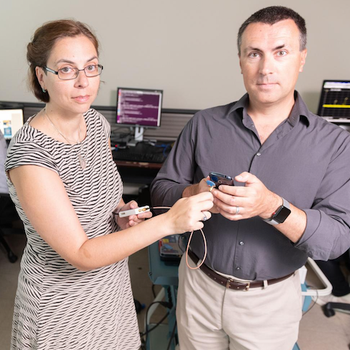
Why the finding is significant in healthcare and elsewhere.

What a patient-driven, spherical view of data means for the future of healthcare, and how to make it a reality.

The new tech can also help detect major depressive disorder.