
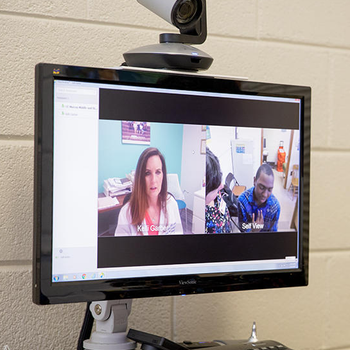
An entrepreneur explains why 2019 might be the year of telehealth.
An entrepreneur explains why 2019 might be the year of telehealth.

Patients, providers and payers are not reaping the benefits of electronic health records.

How Cynerio plans to protect medical devices and fight IoMT fraud.
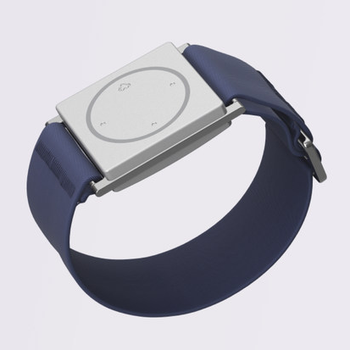
Embrace had an accuracy rate of 98 percent during clinical testing.

There is a 64 percent increase in annual advertising expenditures after a hospital data breach.
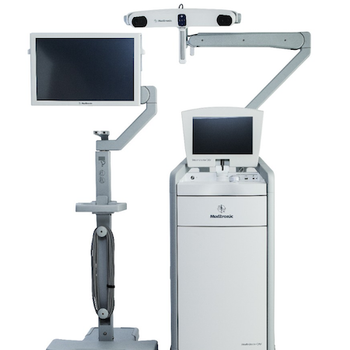
The software defect could cause neurosurgeons to damage a patient’s healthy brain tissue.

Why this data scientist says healthcare must embrace AI.
Do real-time data and wellness represent a new path for 23andMe?

Will the FDA’s pre-cert program expedite the review of digital health tools?

Does the first Monday of the year signal what to expect from health-tech investments going forward?
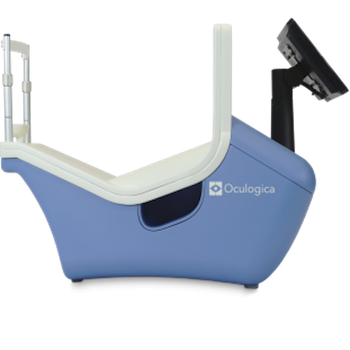
EyeBOX provides objective data for healthcare providers to aid in evaluating patients with possible brain injury.

The video game-based treatment could improve cognitive control for children with autism spectrum disorder.

We’re working with the Sharp Index to publish thank-you notes to physicians as they navigate the digital transformation. Here’s the latest.

Will a new rule actually improve pricing transparency? Janae Sharp explores.

3 steps to determine whether your healthcare organization can leverage AI.

The tech company applies AI to DNA sequencing to aid clinicians in the diagnosis and treatment of patients.

5 cybersecurity threats and how they can be prevented.

CT-152 could leverage evidence-based cognitive therapy to help a wide range of patients suffering from major depressive disorder.

Cybersecurity is evolving. But so are cybercrimes.

The SEM Scanner detected pressure ulcers five days before a nurse’s visual skin assessment.

Can Propeller Health’s asthma monitoring tech be applied more broadly?
We’ve produced 26 episodes of our health-tech podcast. Here are the ones you love the most.
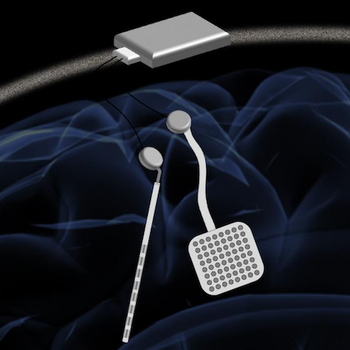
The “pacemaker for the brain” can listen to and stimulate electric current in the brain simultaneously.
WELL hopes the acquisition will leverage emerging technologies to materially augment the patient journey.

Almost 43 percent of healthcare executives reported that there is no single point of accountability when it comes to who has control over the data in an organization, according to a new survey.

Customers with diabetes will gain access to a digital management platform, but the insurer says the arrangement isn’t about data aggregation.

Stories about diabetes, dementia, and more.
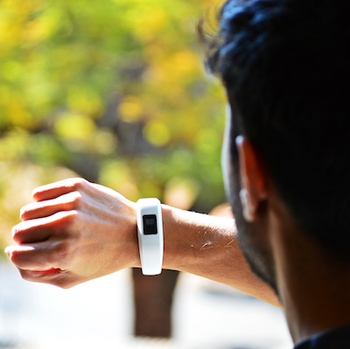
Despite evidence to the contrary, wearables like Fitbit not only boost physical activity but also spur tailored fitness plans.

Social media can help decrease depressive symptoms and increase mental-health awareness, but further testing could bring about greater uses.

The digital health sector tallied more than $8B in funding this year and an “Alexa for Doctors” could be just what the doctor ordered.