Janae Sharp examines how proposed CMS and ONC rules could affect healthcare.
Janae Sharp examines how proposed CMS and ONC rules could affect healthcare.

The proposed framework describes the FDA’s foundations for an approach to premarket review for AI and machine learning-driven software modifications.

The proposal would increase access to ambulatory blood pressure monitoring by expanding coverage to more applications of the test.
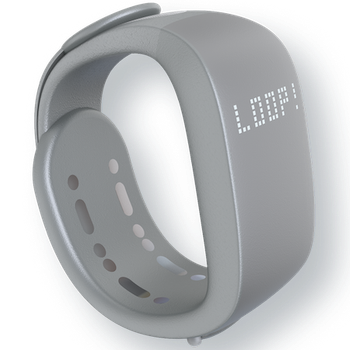
The wearable could give those with chronic illnesses more peace of mind.

The policies aim to expand telehealth access for patients, increase innovation and drive competition.

Radiologists will be encouraged to participate in the creation, validation and use of AI in healthcare.

Fresh out of Health Datapalooza, Janae Sharp explores how the conference circuit shows what’s wrong with healthcare — and how we might fix it.

VR could provide faster, more efficient treatment, with less radiation exposure and greater precision, ease and confidence.

Data Book tells the story of Herbert Freudenberger, Ph.D., who came up with the term “burnout.” KOLs then discuss how health tech can fight physician burnout.

Artificial intelligence, clinical decision support and mobile apps are changing healthcare.
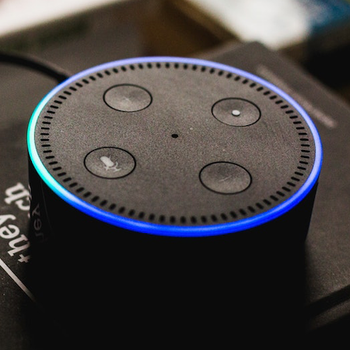
The skills are designed to help customers manage healthcare needs at home by using their voice.

The group will provide standards and recommend best practices to enhance the application of AI in healthcare.

The AI platform identifies and analyzes suspicious findings in chest X-rays.

Training and social media standards are a couple of tools that can fight off attackers.

Machine learning models can improve workflow and accuracy, but there are still challenges being faced.

5G technology could enable major transformations in how the healthcare system treats patients.

HealthQuest is targeting innovative companies that create tech to drive better outcomes and reduce costs.

Nearly 80 percent of consumers said they are not prepared to handle cyberattack threats on their own.

The model relied on statistics and machine learning to identify pain points, potentially saving lives.

The mHealth app has the potential to improve patient outcomes.

Neutron tomography is time consuming but highly accurate.

The partnership could add to the success of patient-centric healthcare by helping underserved individuals and families get on a path to better health.
The changes give the plans more flexibility to offer benefits that focus on preventing disease and keeping people healthy.
Alternative places of service are all seeing growth, while traditional treatment settings are falling behind.

The wearables company already boasts more than 27 million users — and it hopes new low-cost devices will scoop up more.

The nation’s third largest nonprofit health system is starting a for-profit population health management firm.

The service could help accelerate the development of gene and cell therapy.

The institute will bring together industry leaders to develop digital health products that could empower patients and providers and improve health outcomes.

The websites could make it difficult for patients to differentiate between physicians.
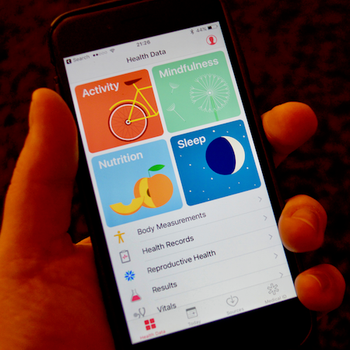
Clinicians must be more aware of the privacy policy of mHealth apps they are using and recommending to patients.