

It would create the National Task Force on Data Protection, which would evaluate and provide input to address cybersecurity risks and privacy concerns.
It would create the National Task Force on Data Protection, which would evaluate and provide input to address cybersecurity risks and privacy concerns.

To minimize risk, health IT teams must be aware of new methods being used to infiltrate networks.

This could reduce administrative burden for clinicians.

The method could lead to preventive treatment and delay the occurrence of psychosis.

A new study suggests the model can benefit rehabilitation, fitness and labor health protections.

An analysis of the evidence for these increasingly popular mHealth apps.

Allscripts’ payer and life sciences business unit is focused on specialty prescribing.

Haywood is leveraging technology to address community-level health needs.

Data Book details the demise of a dotcom startup and offers lessons for healthcare innovators.

The model increased the clinicians’ accuracy by 0.038.

The company aims to improve precision medicine and its effects on patients.

The companies claim the partnership will limit the number of missed medical appointments.

Why one investor says Nym provides a much-needed “missing link” to healthcare.

The companies, along with Merck & KPMG, will help develop a legally mandated interoperable prescription-monitoring network.

Innovative payment models and solutions can help rural communities receive higher-quality care.

3 steps that health systems can take to ensure their business associates are compliant.

Technology can help fight physician burnout.

Patients want telemedicine services. Is your health system answering the call?

A CynergisTek survey found a disconnect between the security needs of the organization and senior management buy-in.

Organizations can develop ways for AI to address unsolved revenue cycle management challenges.

While the technology could help reduce administrative burden for clinicians, some fear privacy concerns.
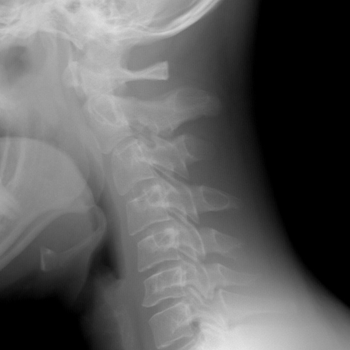
The platform prioritizes suspected cases to help ensure patients receive a timely diagnosis from a radiologist.

Administrative burden is fueling physician burnout.

In hospitals and health systems, priorities don’t always translate to implementation capabilities.

The EMPiRE model could save lives and lead to increased quality of life.

The device continuously records patient data to help reduce heart failure hospitalizations.

A better understanding of the genetic variants in individuals who have attempted suicide could lead to new treatments and preventions.

The technology integrates with electronic health records and can help providers address patients’ social needs.

The chief innovation officer is looking for internal innovation and partners whose goals best align with CHLA’s.

The agency is looking for ways to relieve administrative burden and increase quality of care.