

The company partners with health plans to deliver virtual care to patients.
The company partners with health plans to deliver virtual care to patients.

Customized AI models trained on localized patient data can support health system growth.
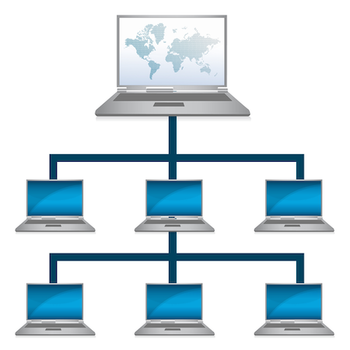
Why Holon says the tech could mean big progress for interoperability.

3 cases that highlight how Python & machine learning could optimize medicine.

Why better patient-provider matching requires better provider data.

The agency has launched several initiatives that focus on amplifying the technology that empowers patients and improves outcomes.

Janae Sharp examines the poor state of immunization interoperability and what it means for healthcare.

AI can save physicians time and aid them in being more efficient and better at their job.
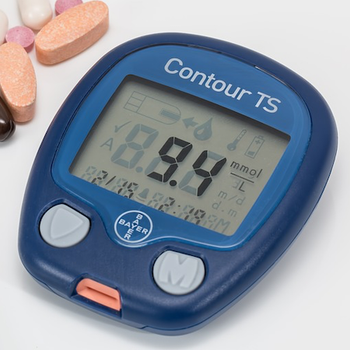
The algorithm predicted patients at high-risk of diabetes with 88% sensitivity.

Use of the genetic test could save these populations hundreds of thousands of dollars a year in healthcare costs.
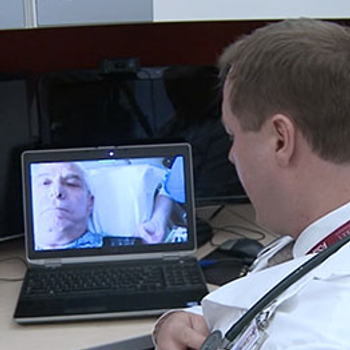
The telehealth program reduced 30-day readmissions, which could substantially reduce healthcare costs for patients with COPD.

How 4 different types of data improve population health management.
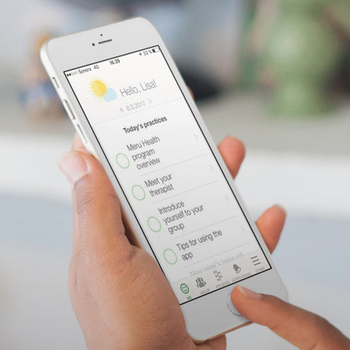
The clinician-supported phone-based digital therapeutic program is for people with depression and anxiety.

The FTC claims that Surescripts employed illegal anticompetitive restraints to maintain its monopoly over the routing and eligibility markets.

5 people who are advancing interoperability and improving patient outcomes.

A systematic review identified the effects and use of eHealth, mHealth and telemedicine on cancer patients in minority populations.

What healthcare organizations need to do to protect their patients from data breaches.
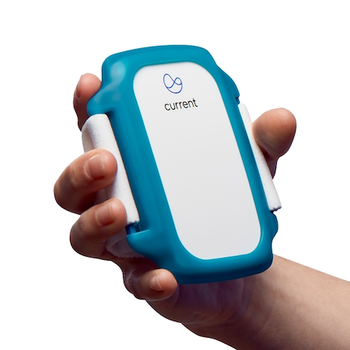
The wearable passively measures a patient’s vital signs in real time.

The proposed CMS rules could improve quality and expand access to healthcare.

The changes made to the EHR reduced unnecessary test orders and saved the hospital as much as $168,000.

The research team saw a significant increase in knowledge after the online training program was completed, with a mean gain in score of 35 points.

Using a deep learning model for lung cancer survival and outcome predictions can have potential clinical implications on adaptive and personalized therapy.

The machine learning technique is more accurate as the amount of training data grows.

While HHS is continuing to strengthen its information security program, the agency still has security weaknesses that need to be addressed.
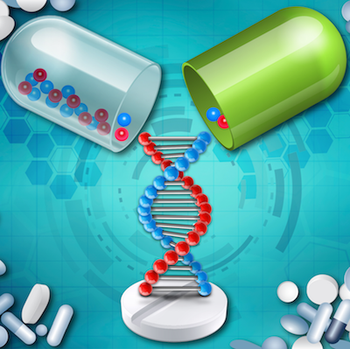
Aetion will aid in the expansion of a program meant to test whether real-world evidence can be used to predict the outcomes of clinical trials.

Our current data privacy laws are not protecting individuals enough.

The increasing availability of EHRs allows researchers to compare results from trials to data from actual practice.

Patients don’t need to be woken for periodic vital sign checks, a new study finds.

With the deadline for comments looming, CMS and ONC recognized the complexity and importance of the proposed interoperability rules.

Interoperability is a key piece in creating a more unified healthcare industry.